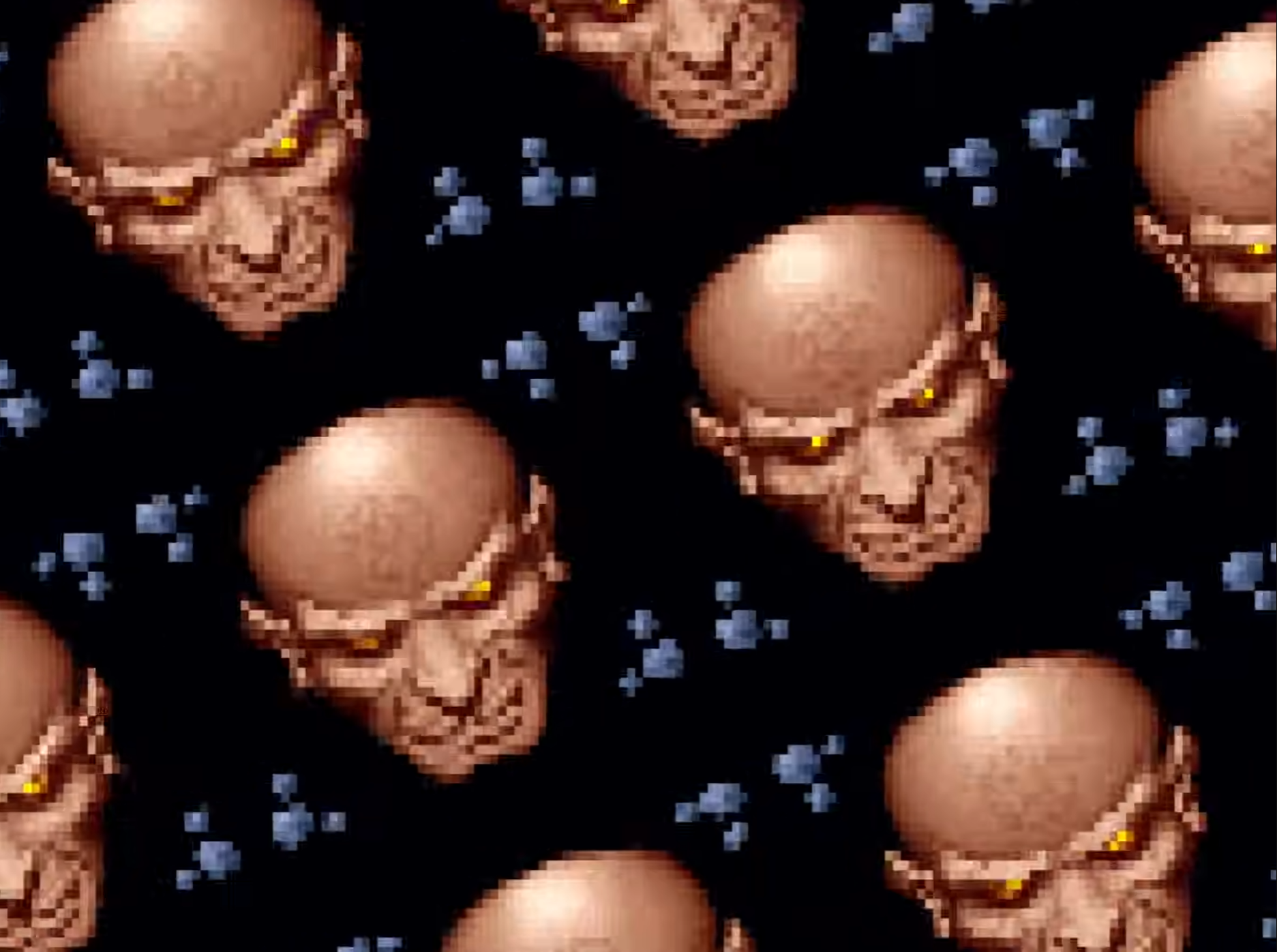
While researching and considering aesthetic influences for my games, something myself and Adam agreed that I should research further for inspiration following my formative feedback session was the Demoscene subculture.
History
Piracy & Cracking
The culture of creating and distributing demos, essentially self-contained computer programs displaying impressive feats of visuals and audio as a testament to the technical and artistic skill of the creator, started from the piracy and software cracking scene in the 80s. The first releases from software cracking groups included text files or screens with decorative ASCII art as introductions to the releases, usually showing the handles of the hackers responsible. This is a tradition that is still followed to this day, with many *.txt files released with cracked software including elaborate artworks as part of their credits.
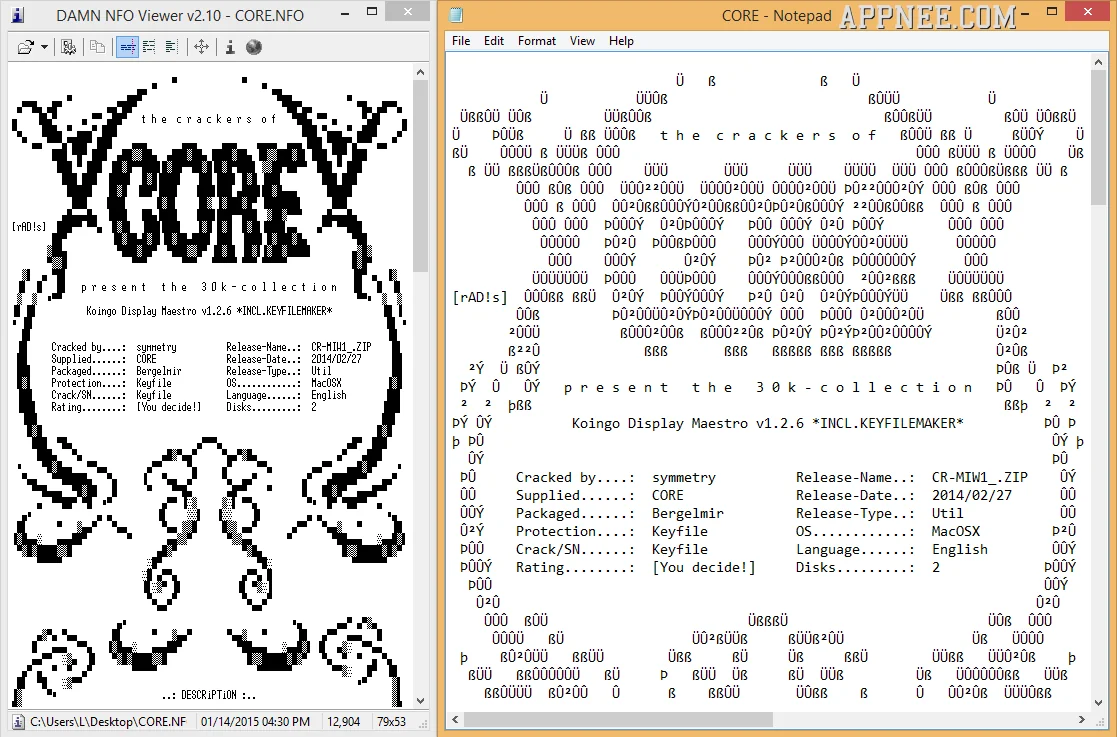
Eventually, these “cracktros” became more technically impressive, with both animated visuals and audio accompaniments. This caught on and the creation of these demos became a subculture and an art form in and of itself.
Demoscene Culture
As the scene grew, more and more artists, programmers and musicians began to form groups specifically dedicated to creating and distributing impressive demos, with events known as “demoparties” being hosted (primarily within Europe) to both create and showcase impressive demos for both the respect of fellow artists as well as prizes. The height of the scene was in the early 90’s with extremely impressive demos such as the one below being completely mind-blowing to computer users at the time, showcasing visuals previously thought impossible for consumer hardware in 1993 running MS-DOS to display.
Wider Influence
The influences of demoscene culture can still be found to this day, with artists still producing impressive examples of programming for both old and new systems. This culture has also heavily influenced the more technically dedicated side of the programming community at large, with the Code Golf game involving creating programs for a given use case or function within an extremely limited number of bytes now being incredibly popular.
Music & Rave Culture
Cracktros and keygens, the originators of the demoscene culture, also contained music specifically made for these intros, usually chiptunes created on tracker programs. However, this evolved hand-in-hand with electronic music becoming incredibly accessible to make on home computers, with a lot of 90’s demos and warez featuring jungle or drum and base music, a tradition that has carried on to this day. As a result, a lot of the demoscene imagery has become somewhat related to 90’s internet and electronic music culture.
Leave a Reply