Monday
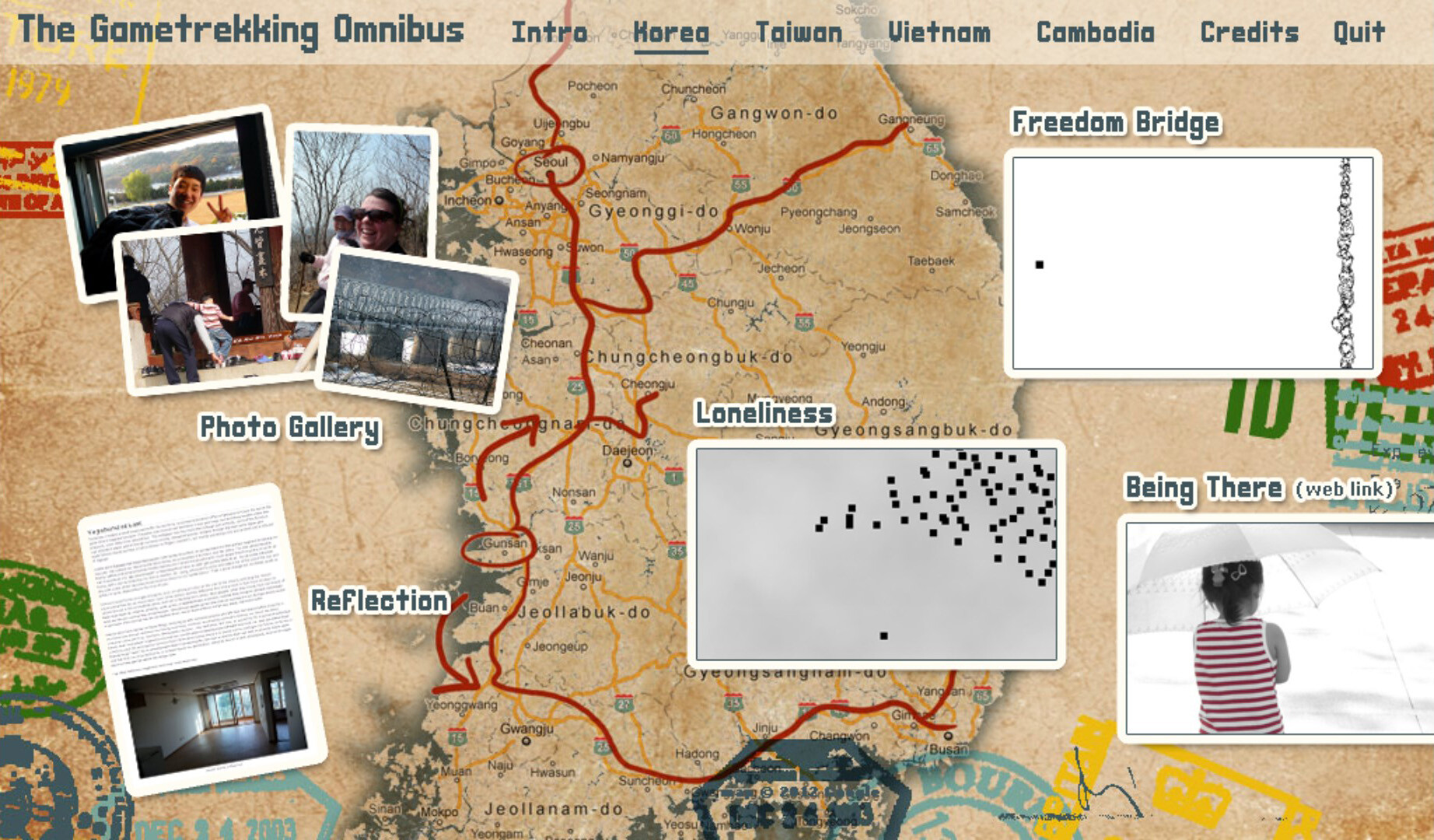
On the Monday of Week 6 we started with a talk from Jordan on game poems, a area of study he defines as “the convergence[s] between game making and lyric poetry.” Jordan was already heavily invested in the indie game scene as a founder of TIGSource and saw games as something unique in the artistic space through how they create very individual and personal experiences for players, a specific example he gave being how gamers often describe said experiences in the format “I did […]” rather than “My character […]”.
As a result, he wanted to explore how games could stray from the usual expectations of needing to be “fun” experiences with very clear goals and semantics, and instead explore metaphor and ambiguity much like a poem does. Jordan defines a core facet of poetry as “juxtaposing signified meaning with material meaning”, and applying that to a game could mean separating out the material elements of traditional games such as player interaction or movement and giving them more metaphorical meaning, using them to describe the emotional “interior world” rather than just the exterior.

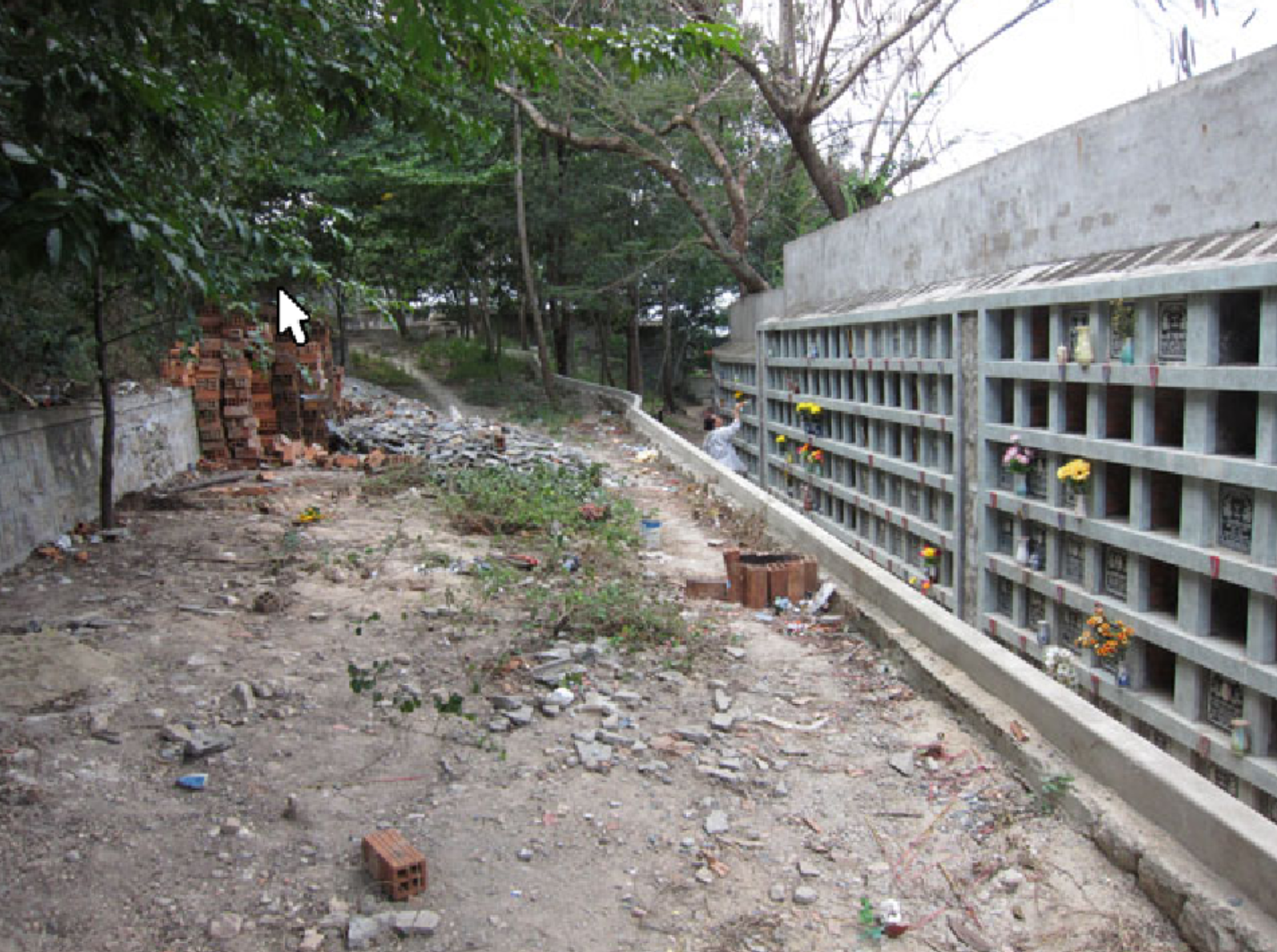
Several of his games were demoed live during the talk, including Freedom Bridge (2010), The Killer (2011), Grandmother (2011) and A Brief History of Cambodia (2011). These games featured simplistic or minimal graphics or visual presentation and focused on only a few core mechanics, providing sufficient space for them to be explored in the form of poetic expression. Several of the games did this by adding purposeful friction to these mechanics, such as the razor wire fences in Freedom Bridge slowing the player down more and more every time they clambered through them. A simple subversion of the traditional videogame power fantasy of growing stronger gave the mechanic an implied meaning, evoking a feeling of weakness and helplessness against authority whilst also underlining the effort put into the player’s defiant forward progress despite it all.
Takeaways and Game Conceptualisation
While the concept of using gameplay as metaphor wasn’t entirely new to me I still found Jordan’s talk incredibly impactful to how I approached creating game concepts.
Seeing the incredibly small scope of the games on show compared to their relative emotional impact felt like it could apply to the ideas I had in my head for games based on my rave culture topic quite easily, as I feel there are multiple things I could explore regarding the emotional experience to deliver to the player, without necessarily making literal gameplay simulations to do so:
- Using rhythm and visual feedback to lull the player into a ecstatic state
- Immersing players in the perspective of a young person during the era, exploring cultural difference or evoking nostalgia
- Responding politically to the laws and police action placed against musicians and young people at the time, evoking frustration at restrictions on self-expression
After this I talked to my friend and classmate Indiana about this, and they suggested tackling the third concept with a game where one tries to make beats that fulfill an increasing list of restrictions, or avoiding creating “repetitive beats” as it was defined by the government.
Leave a Reply