Category: Research


  • Photograph Developing Research

    In week 10 my games story had a lot of issues after workshopping it with feedback from my lecturer, peers and family I eventually settled on the current iteration which involves a photograph developemnt minigame at the end. I have never attempted this so to figure out the steps and content of the minigame I am researching the process.

    How do you develop photographs?

    https://www.canterburycollege.ac.uk/news/developing-a-print-in-the-darkroom-a-simple-guide-for-beginners/

    This is a guide for beginners on how to develop photographs.

    1. Set the room up.
    2. Mix the chemicals – Important to follow the instructions and keep them within a good temperature range.
    3. Enlarge the print – place the print into the enlarger and ensure the image is clear.
    4. Expose film – place the paper onto the enlarger and expose it, transferring to the bigger paper.
    5. Develop the print – place the paper into the developer tray covering completely for the appropriate amount of time.
    6. Stop the developing – place the paper into the stop bath, stopping the developing.
    7. Fix the print – move the paper to the final tray making the print permanent.
    8. Rinse with water
    9. Hang to dry

    What’s in a darkroom?

    https://parallaxphotographic.coop/beginners-guide-to-the-darkroom/?srsltid=AfmBOop_oWv824jREdnrnMd5yhk8bNKl8IC0Q92S5ITbfU08LSCUZbnb

    This article details the equipment needed.

    • The Enlarger – a projecter that when shone through the small negative transfers it onto the paper.
    • Safelight – a safe light to use in darkrooms as the red light does not damage the film.
    • Focus Finder – helps to focus the enlarger by zooming in on the small negative, ensures it is not blurry.
    • Darkroom Trays – deep trays to hold the chemical solutions in that the prints must be dipped into.
    • Print Tongs – tongs to touch the photographs with without damaging them.

    How can this be gamified?
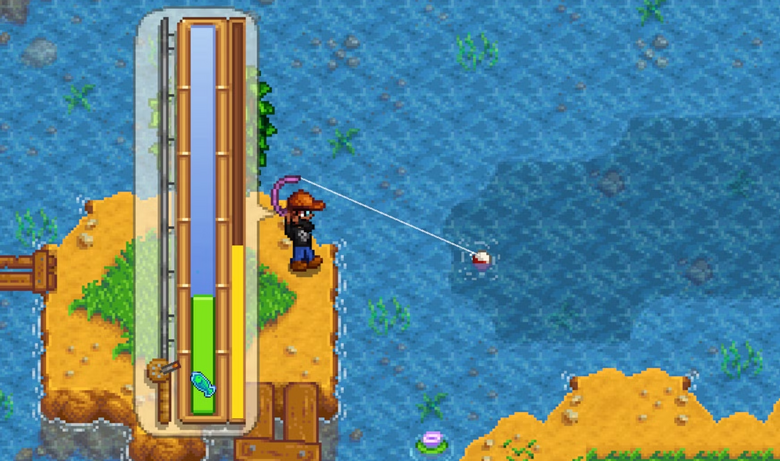
    The mixing of the chemicals could have a challenging element where you must keep a bar in a certain spot fro the correct amount of time to represent the temperatuire of the chemicals. This could be similar to the Stardew Valley fishing minigame where you use the mouse to manipulate the small bar to catch the fish.

    There could be a drag and drop element to it, like A Little to the Left. Making the player pay attention to how long they have put the photograph in the different solutions.

    Similar to the cooking mama games where you must cook food for a certain amount of time, guided by a timer this could be implemented in how you treat the developing photographs.
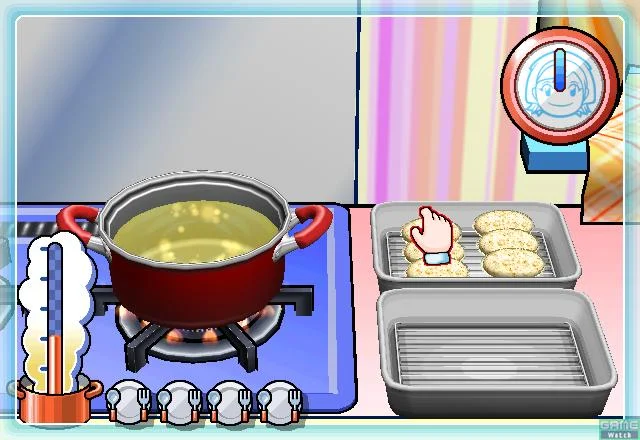
    Looking at all of these references and the process itself a common theme has emerged about precision. Each aspect requires precision either with visuals or timed elements. I will incorporate this into the game whilst still keeping it fairly easy and not frustrating, as the player has just finished the lighthearted adventure section of the game.

    Next Steps –

    I will now develop the steps for this section and create a simple mock- up.

  • Family & Nostalgia

    The type of nostalgia I intend to evoke in the people that play my game, is childhood nostalgia. For me this surfaces when I think of a holidy I went on with my family in 2016 when I was 11.
    I know what type of nostalgia I feel when I think about it but I wanted to get different perspectives on it so I asked my family what kind of emotions they feel, key moments they remember, sights, sounds, scents etc that comes up when they look back.

    My mother –

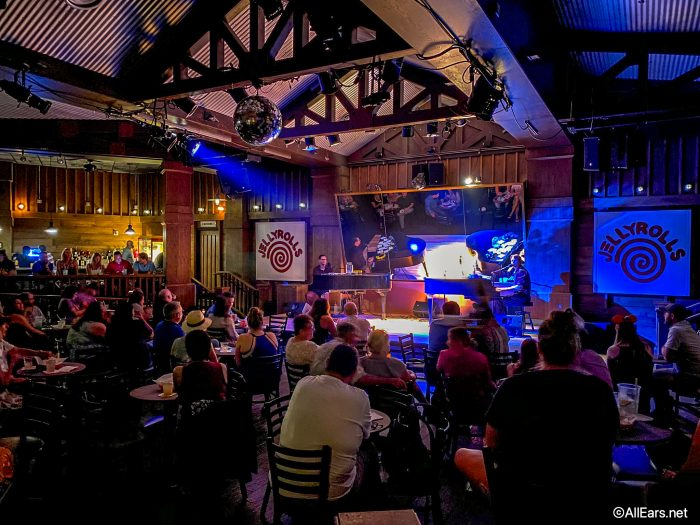
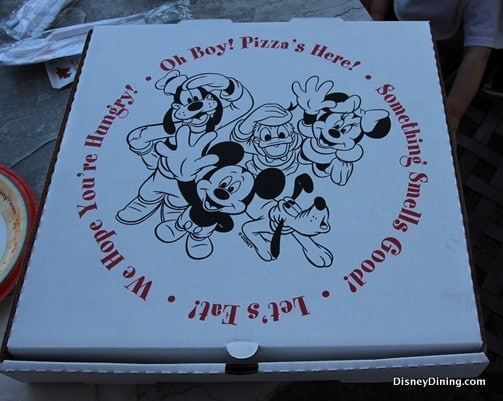
    • Jellyrolls rocking, sportsbar cheering. Street artists bringing joy to a small crowd. Grabbing pizza in a Mickey box, ice cream in what felt like a million flavours. Feeling safe cocooned in that Disney bubble, in a part of Disney that feels like a secret that you want to guard closely…

    My oldest sister –

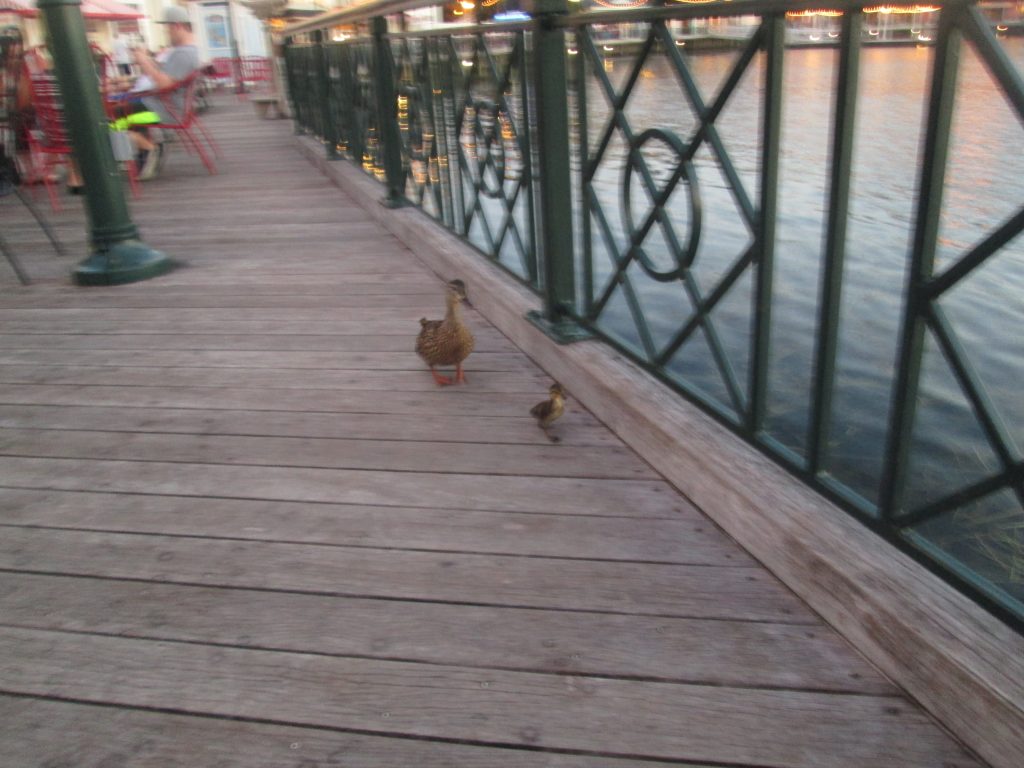
    • Clogging up camera rolls with photos of ducks because they remind of us somewhere known in a place half known, half dreamt.

    My middle sister –

    • Best ice cream in the world, and zigzagging to hit 40,000 steps

    Take aways –

    Food – Ice cream, mickey pizza

    Locations – A sportsbar, the piano bar jellyrolls

    Attractions – Street artists along the boardwalk, lots of ducks

    Holiday Photographs –

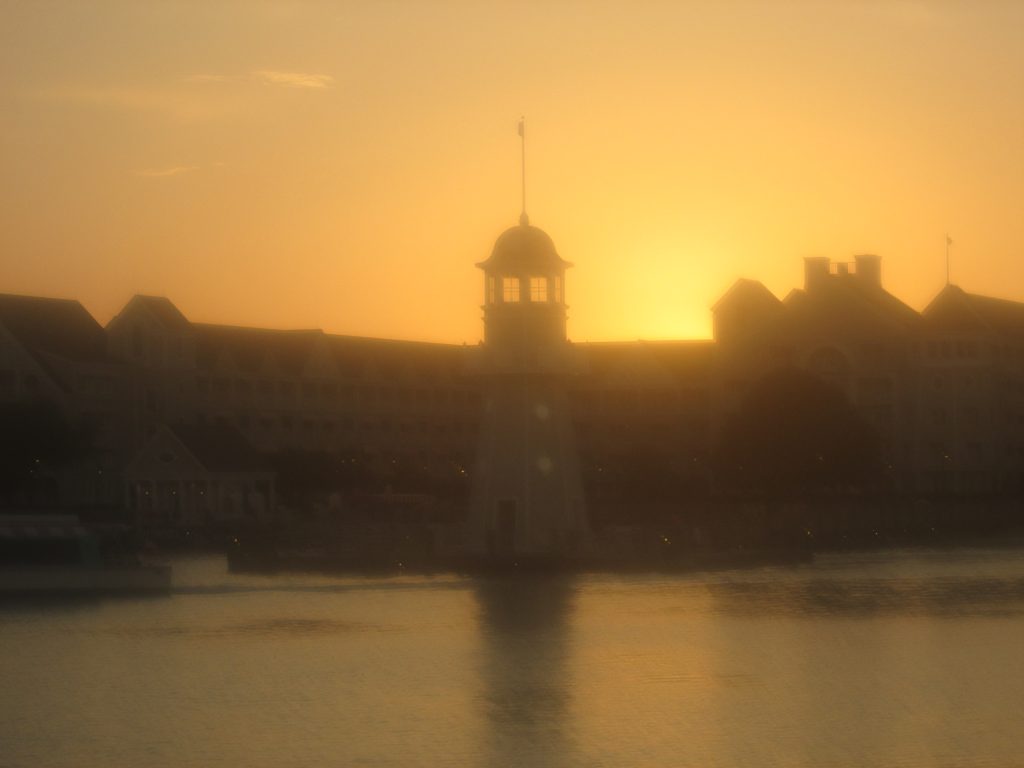
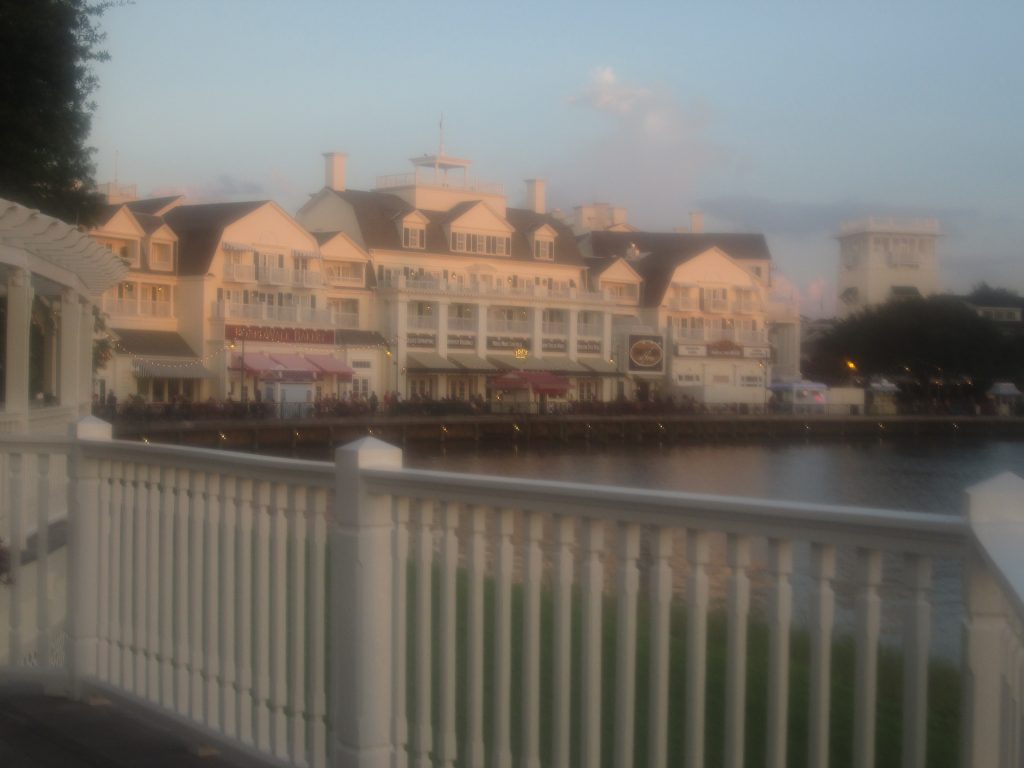
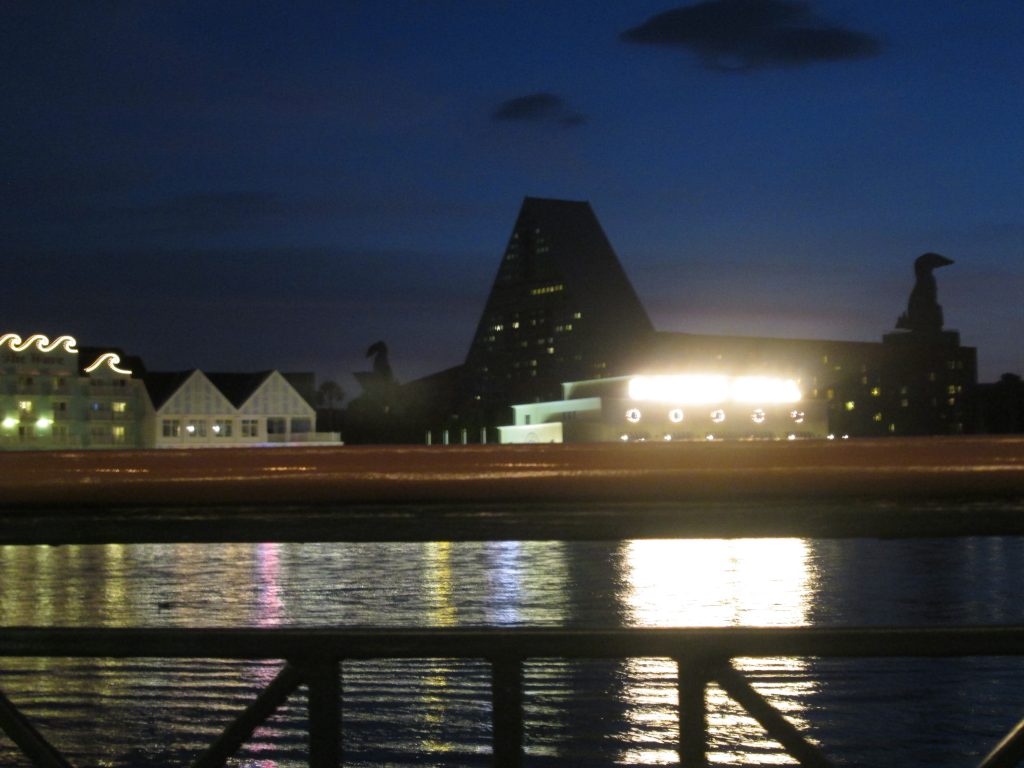
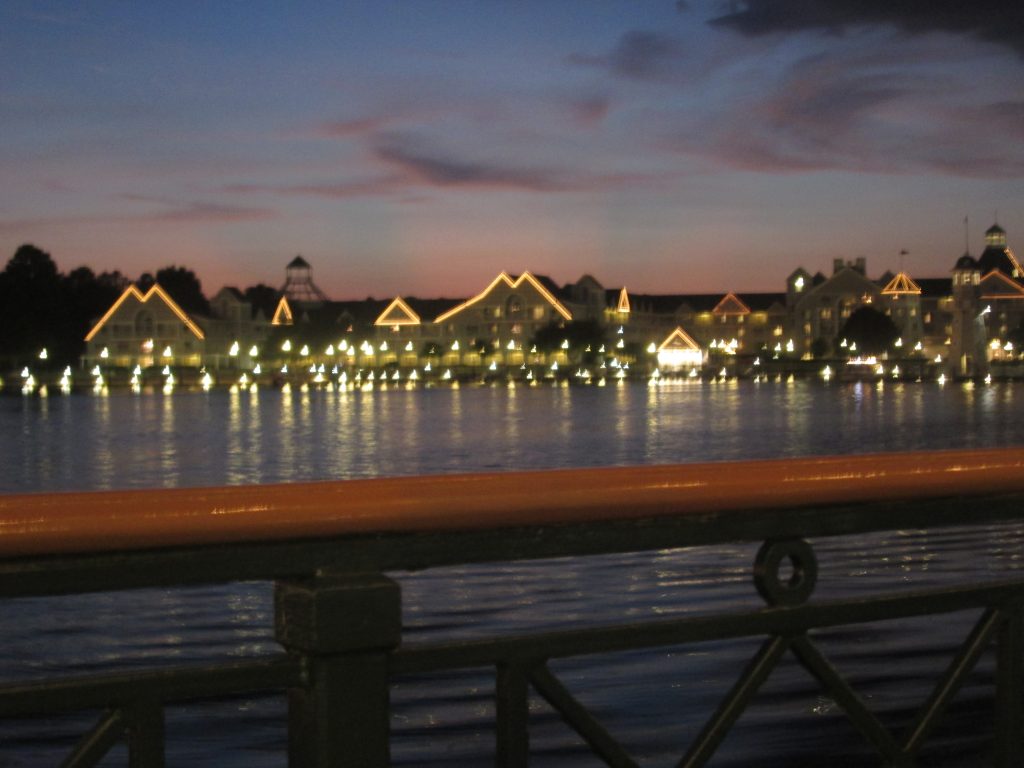
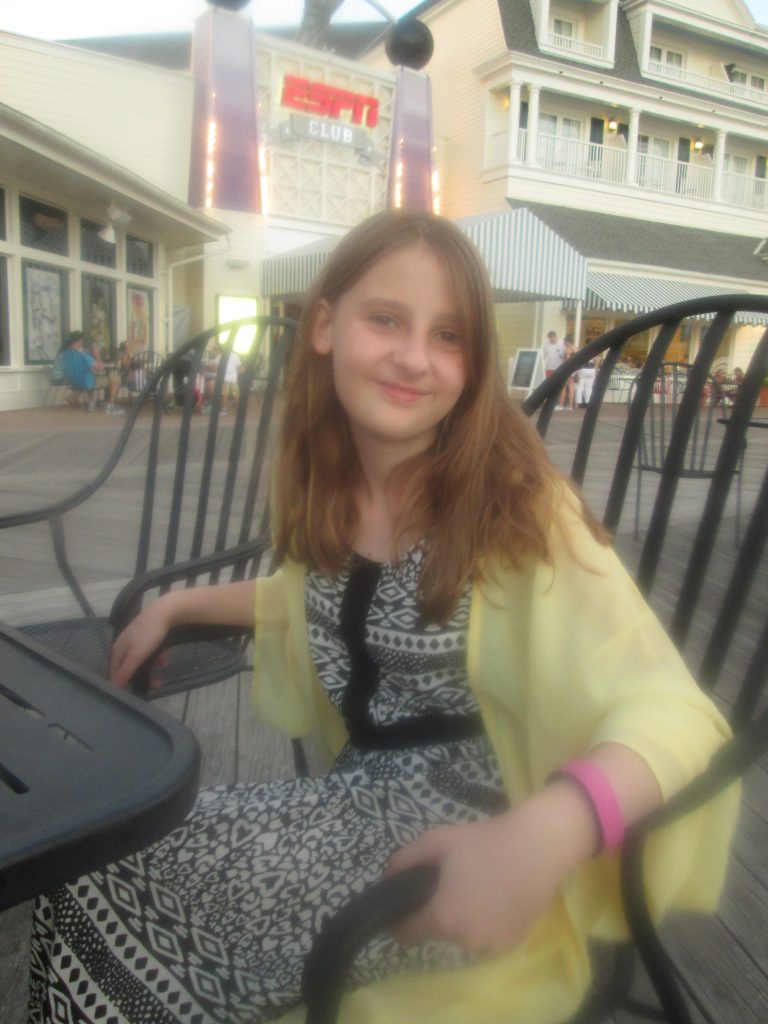
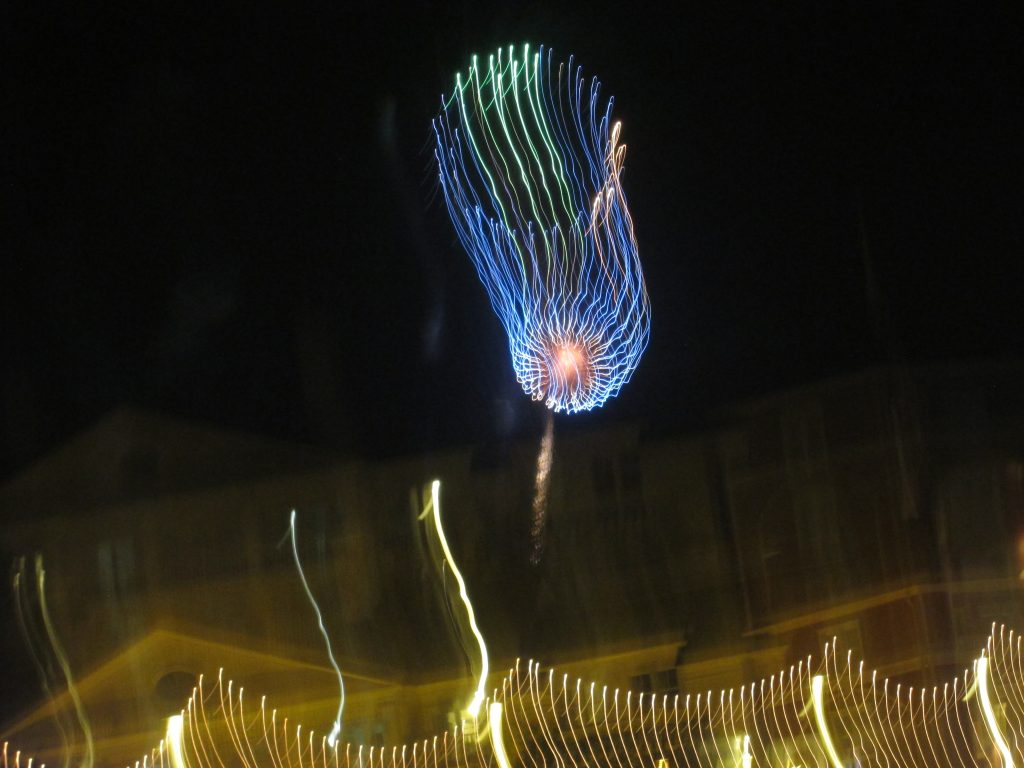
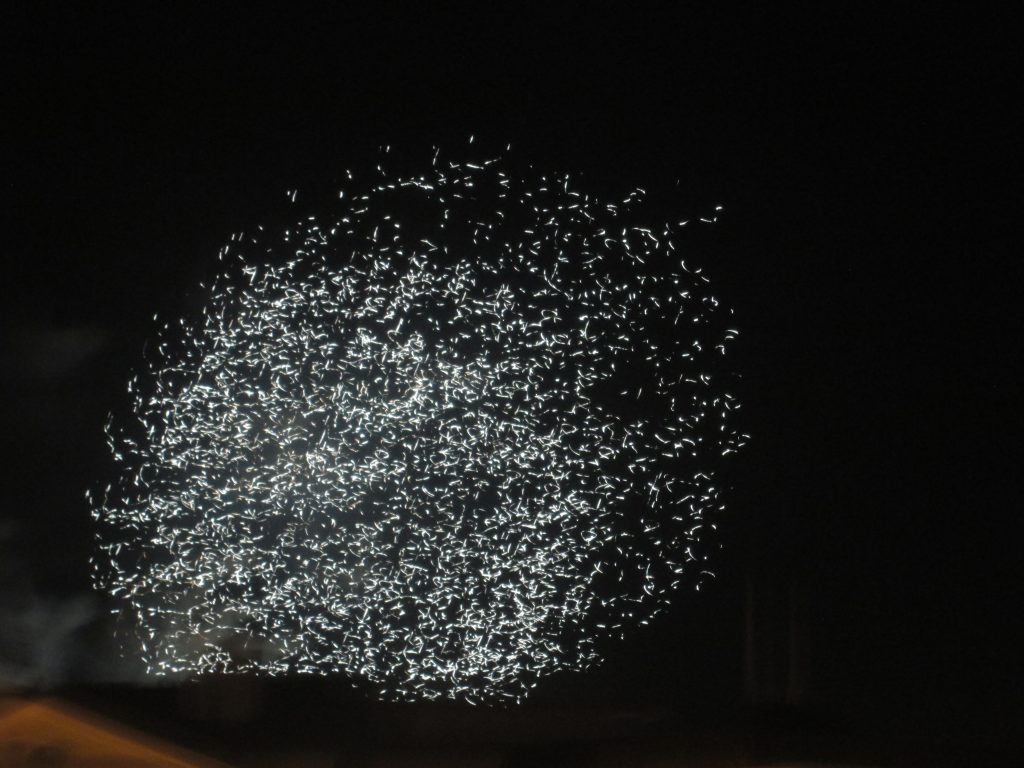
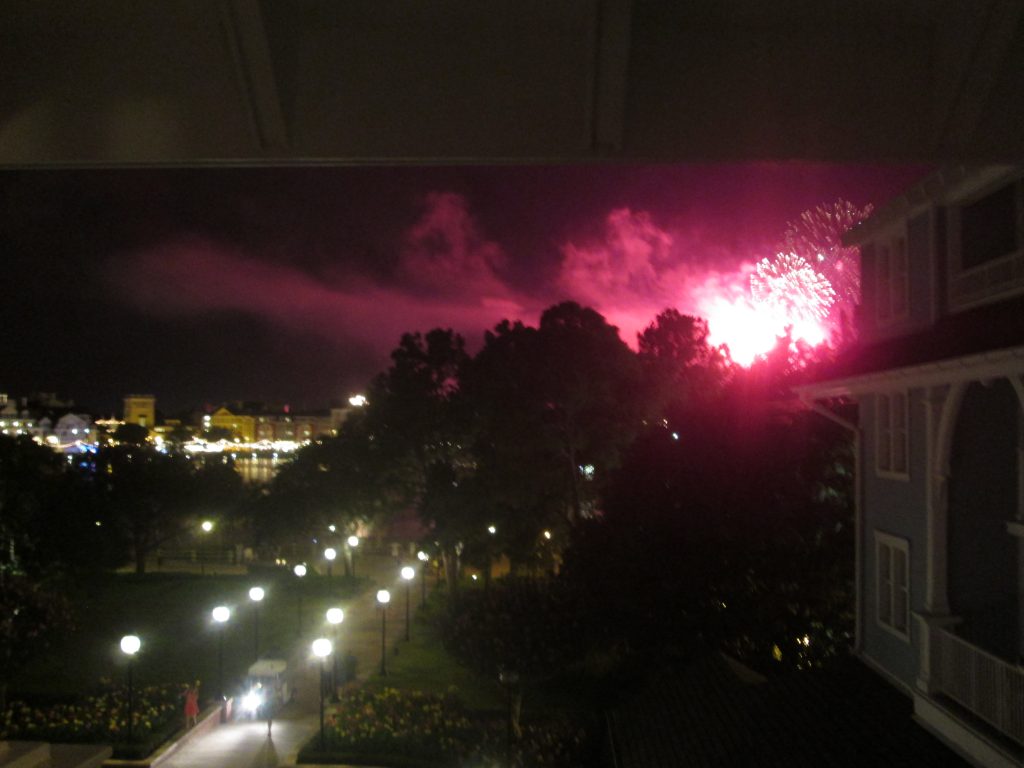
    These are pictures from the holiday I took all of them except for the one of me. These pictures demonstrate what kind of visual effects and look I want the game to have, blurry almost airbrushed with a glow emanating from them.


  • Disney Boardwalk

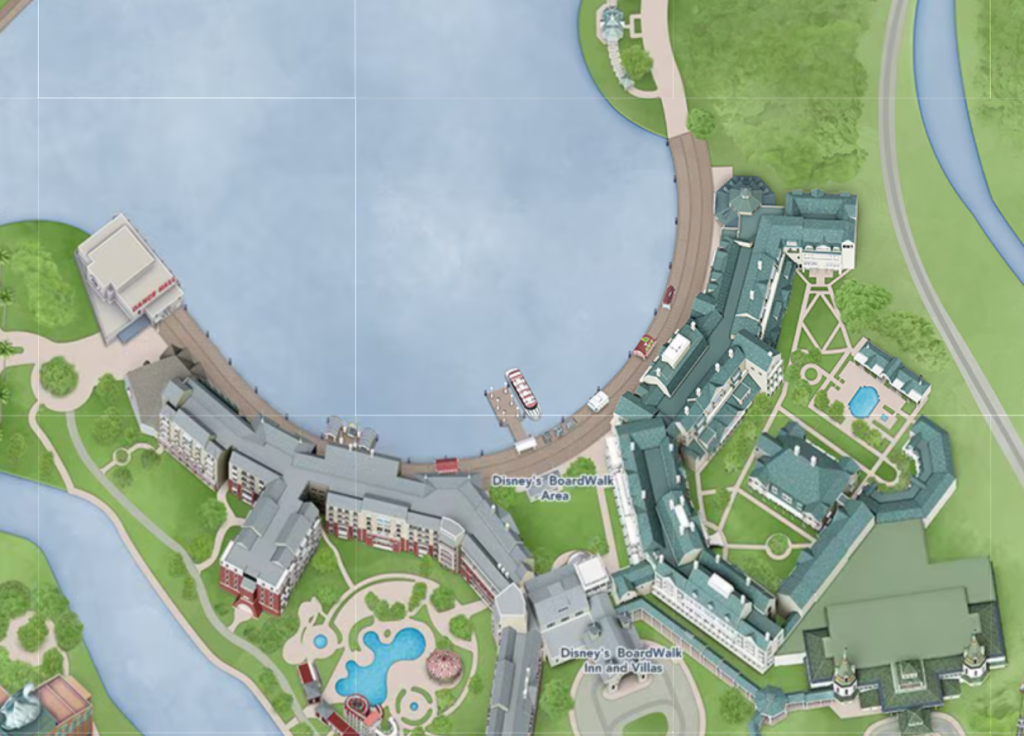
    The Disney Boardwalk is a a quarter mile promenade, populated with shops, restaurants and attractions. Street performers regularly perform shows, like juggling, fire breathing and tightrope walking. There are multiple hotels and resorts around the outskirts and you can take boat rides directly from the boardwalk. The piano bar Jellyrolls ends boardwalk and is a 21 and up only area.

    https://www.disneyworld.co.uk/destinations/boardwalk

    Notable Locations –

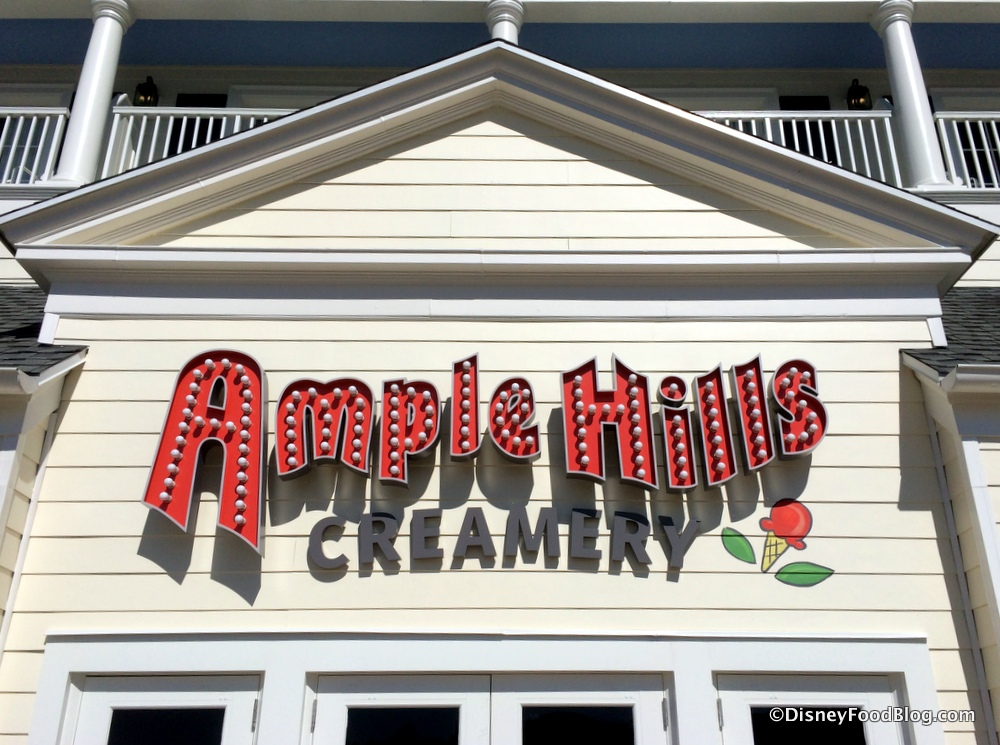
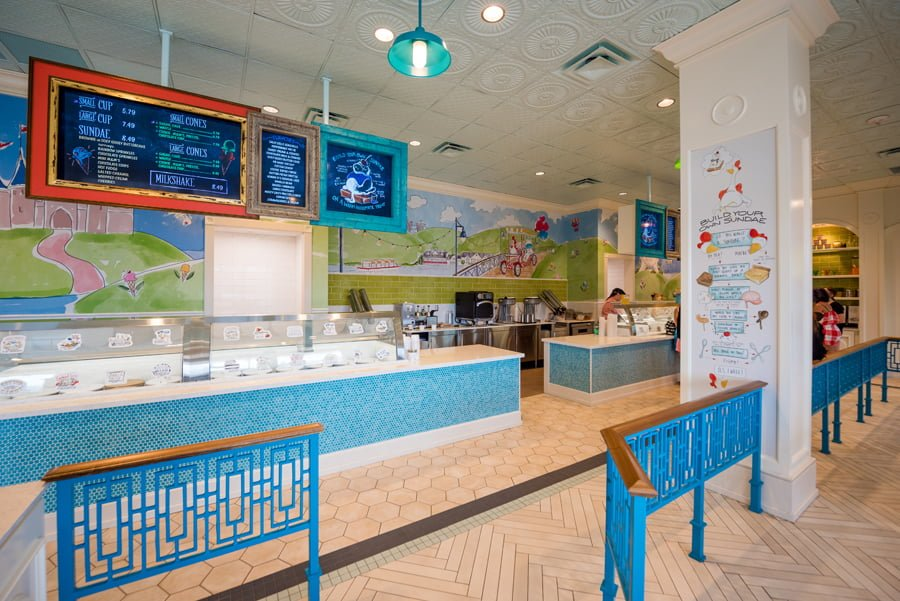
    Ample Hills Ice Cream

    Though now shut down, when I was there it was extremely popular. It had a vast amount of flavours and the staff were very nice.

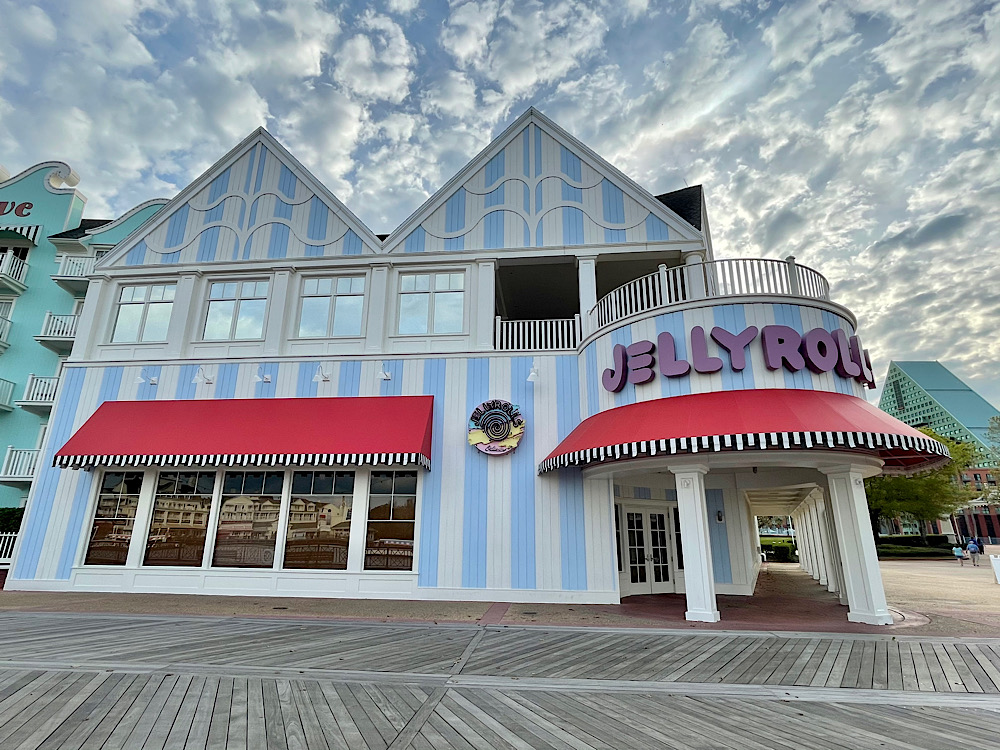
    Jellyrolls

    This was also shut this year to be moved to a new location. It is a duelling pianos bar. As I was a child I was not allowed to enter when I was there, though it was an important place for my parents.

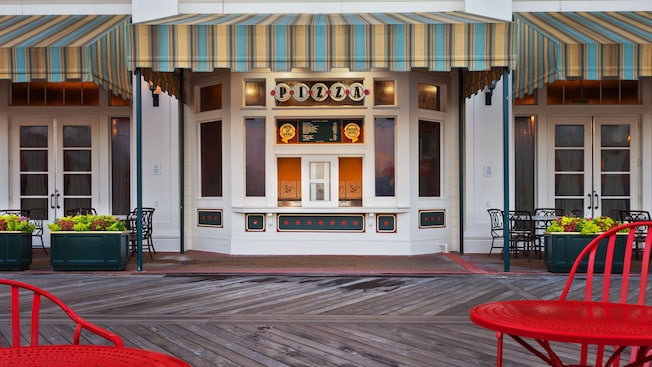
    Pizza Window

    An easy to miss small pizza. The food is served in Mickey and Friends themed boxes. We ate there a lot on Holiday and we still have the top of a box on our fridge.


  • Reference Boards

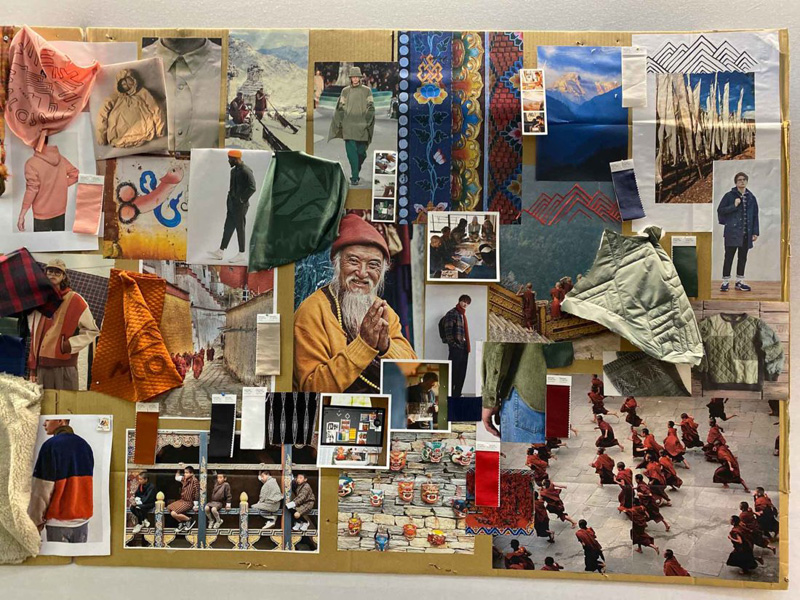
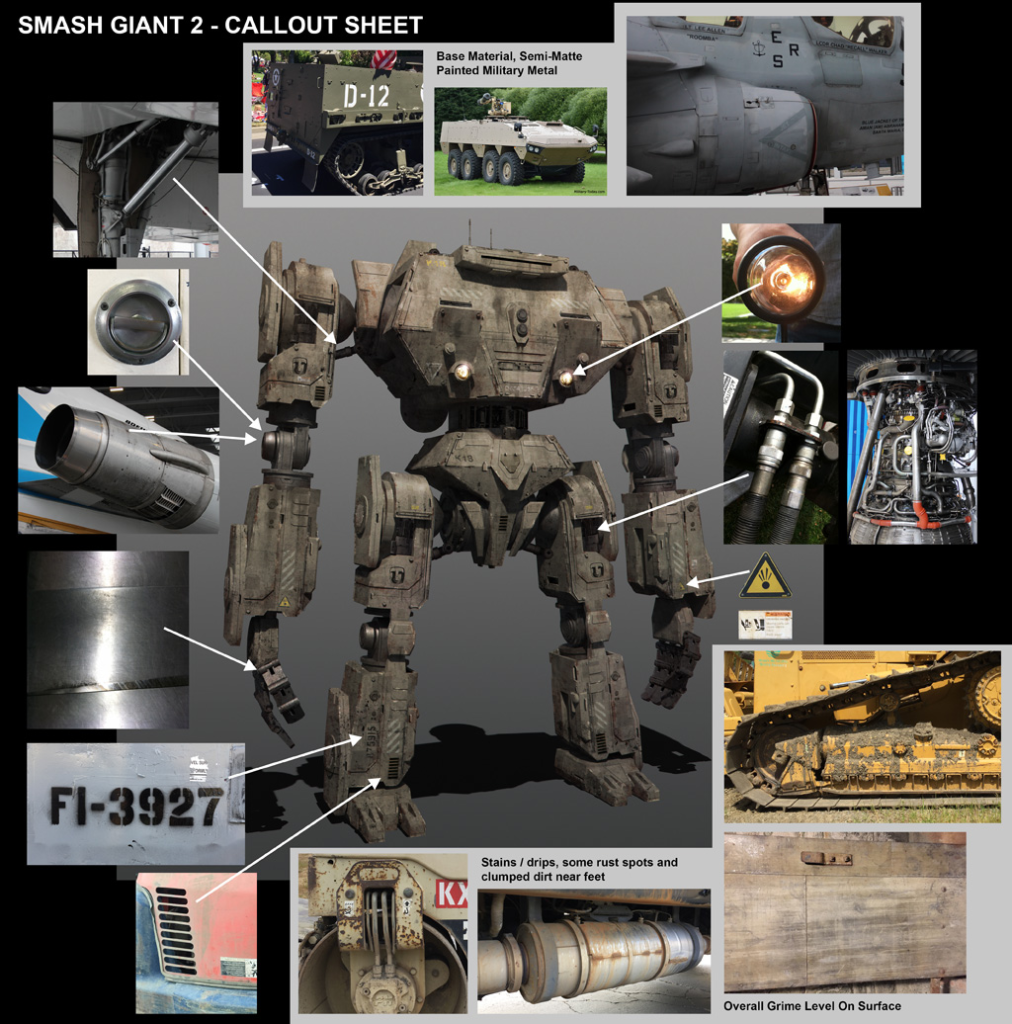
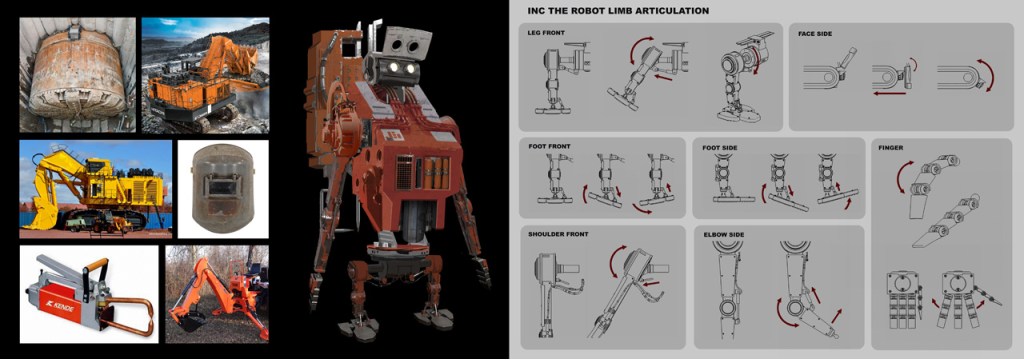
    After week 7’s feedback I was told to start creating reference boards for each element of my game. These are different to mood boards and are more detailed usually with annotations.

    http://www.neilblevins.com/art_lessons/mood_board_design_packet_callout_sheet/mood_board_design_packet_callout_sheet.htm

    This website was given to me by my lecturer and it details different types of reference boards and their purposes.

    Reference Board

    Filled with materials, textures, colours and explanations. Originally would have been done physically however now most are made digitally.

    Call Out Sheet

    Most commonly the concept is in the middle with arrows guiding the viewer to details, essentially “calling” them out, hence the name.

    Reference Packet

    Includes the concept and real life influences. Usually given to the modeller so they can bring it to life.

    To make these boards I will be using a web and app based software called Milanote. They have a handy how to make a mood board guide on their website.

    https://milanote.com/guide/game-design-moodboard

    How Will This Help Me?

    After this research I will begin making reference boards for the elements of my game. To make them I will be using a web and app based software called Milanote. They have a handy how to make a mood board guide on their website.

    https://milanote.com/guide/game-design-moodboard


  • Camera Research

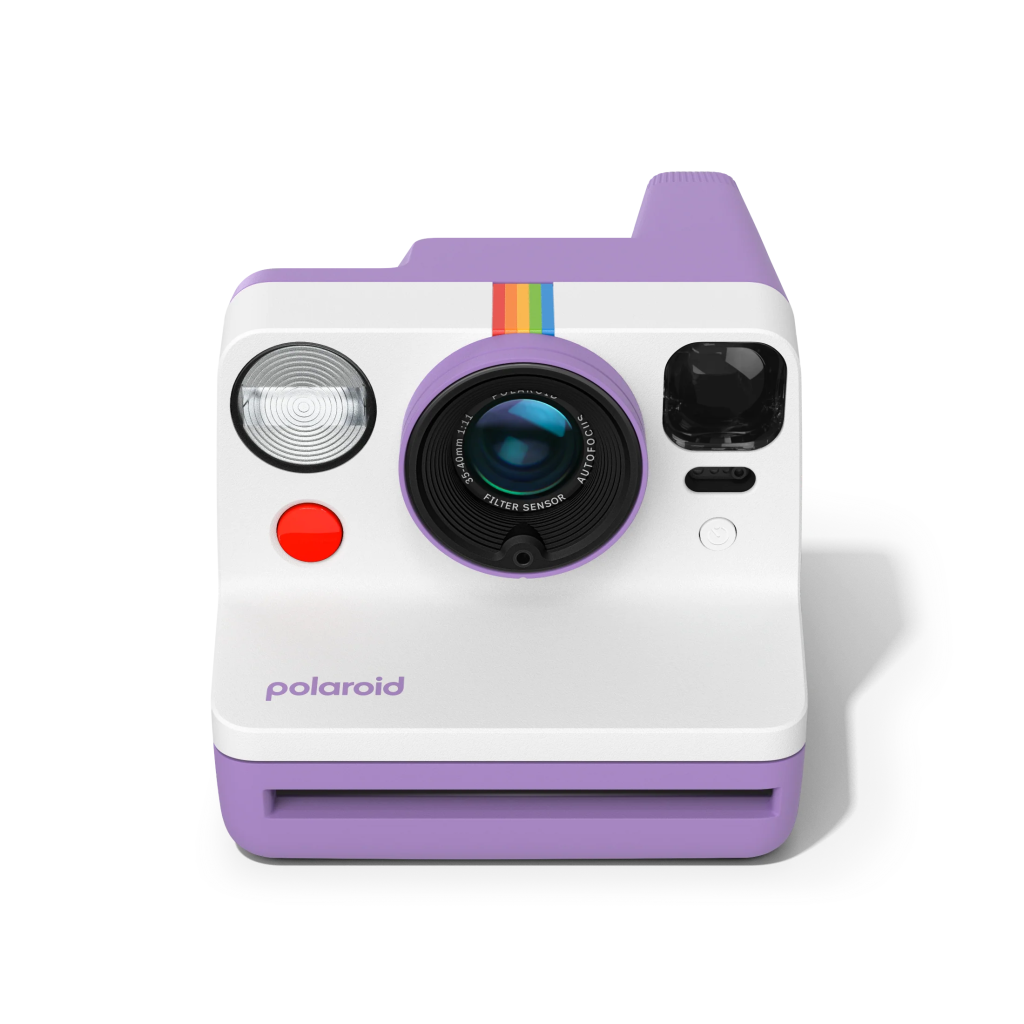
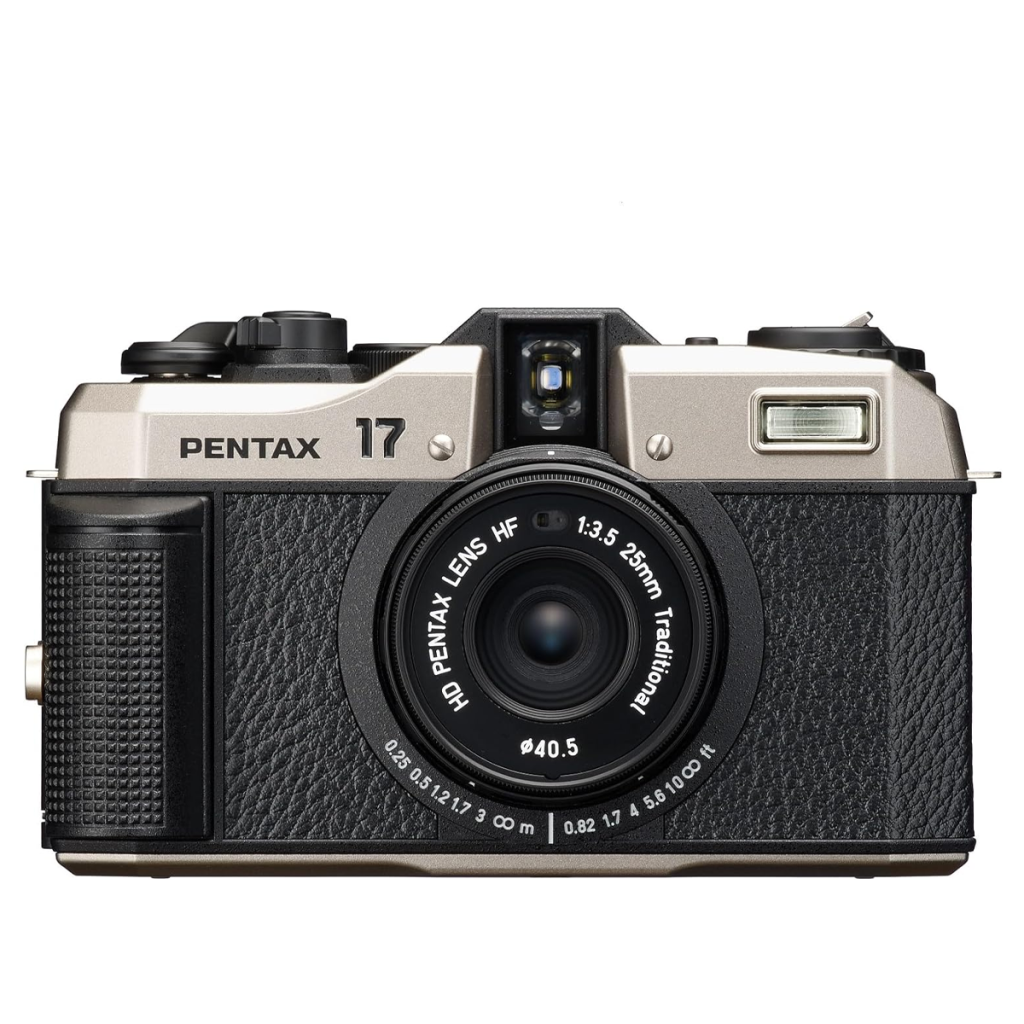
    In my game a camera is very important to the narrative and my design intention. The big question is what kind of camera will be in the game. I am going to research different cameras so I can see all of the ooptions and choose the best one.

    Types of Cameras –

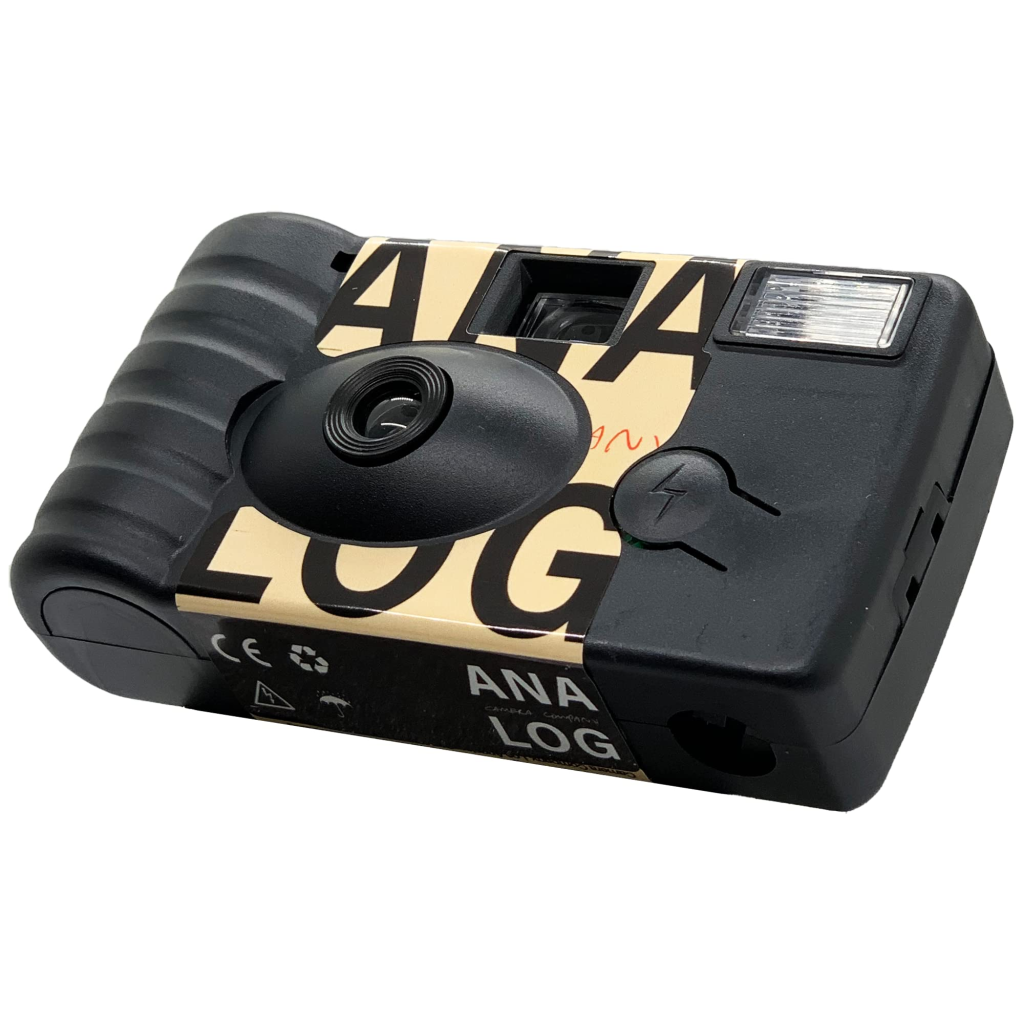
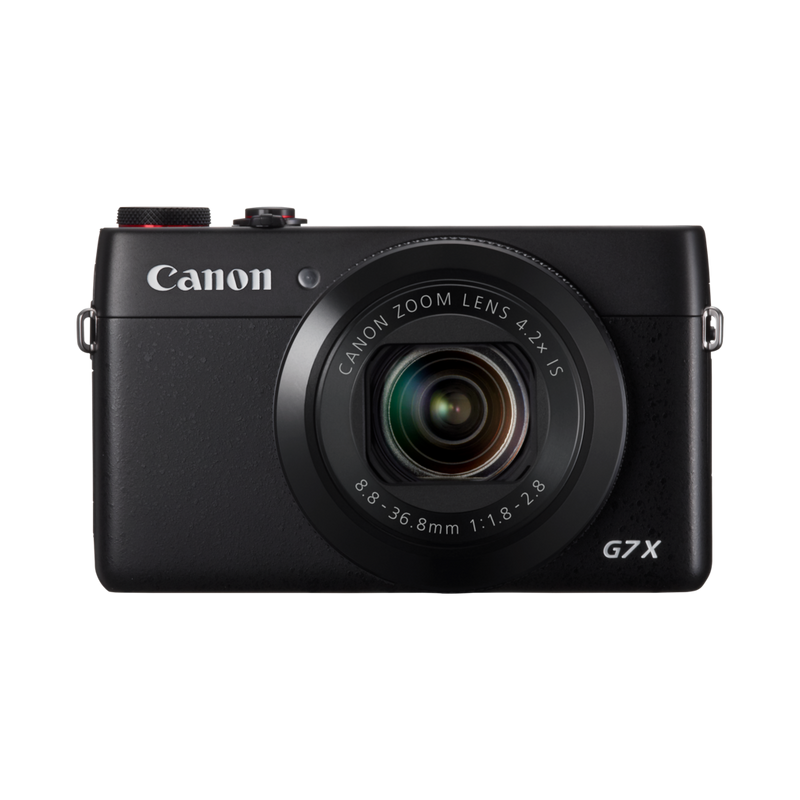
    After some research I narrowed it down to four types of cameras:

    • Disposable – usually plastic, single use, once you have run out of film the camera is done
    • Digital – the most common kind of camera nowadays, unlimited use due to digital storage
    • Instant – immediately prints a photo out
    • Film – uses rolls of film that can be replaced, photos must be developed

    My Camera –

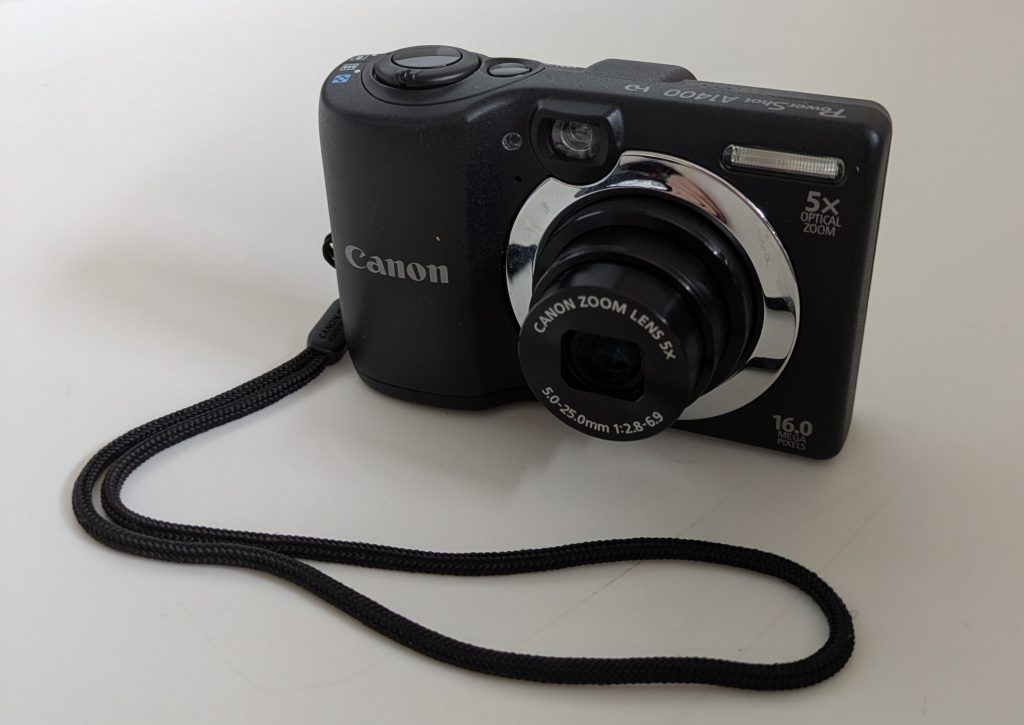
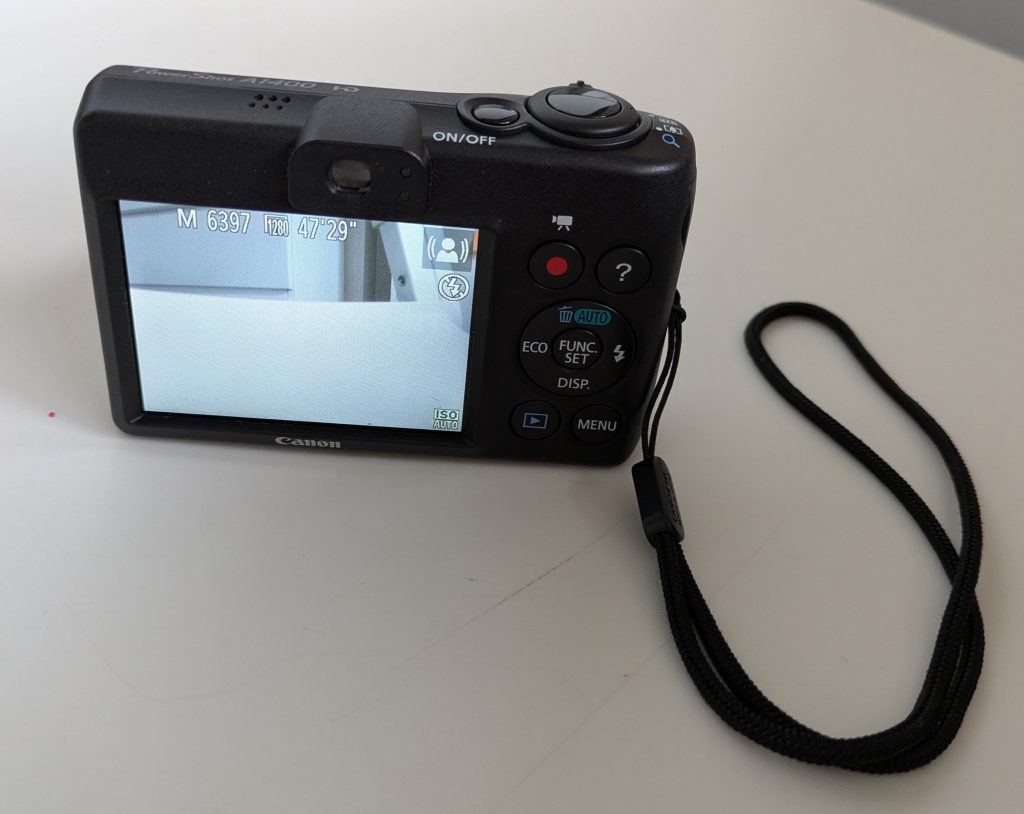
    I still own the original camera that I used on holiday. It is a Canon PowerShot A1400 released in 2013. As it is a digital camera all I have to do is connect it to my pc and the photos can transfer over.

    Parts of a Camera –

    The puzzle in my game revolves around finding parts of your camera. To look at that process just click the button.

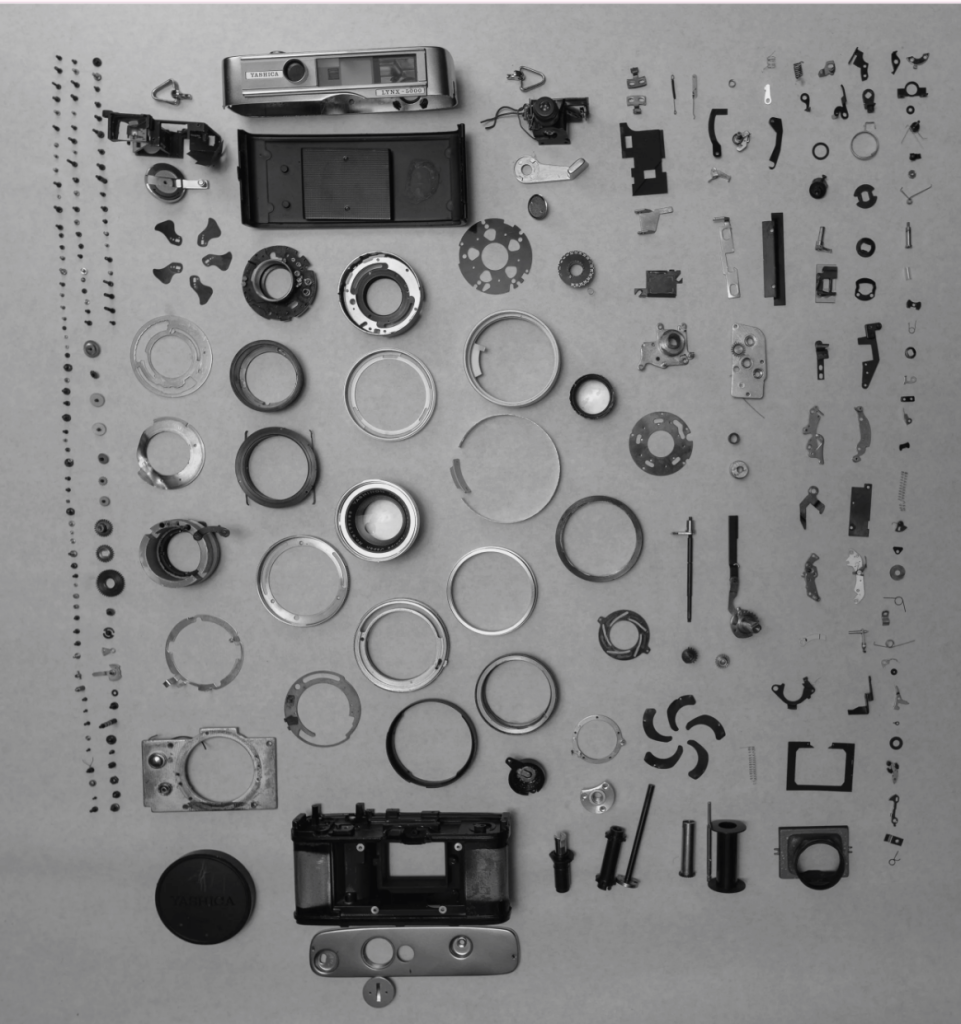
    Before I settled on what parts the player must find I wanted to understand what parts there actually are. I found this photograph by Joe Breeden on his website blog. The camera he dissasembled was from the 60s.

    https://www.joehep.com/home-1/whats-inside-a-camera

    Conclusion –

    After looking at these cameras I have decided that I do not neccessarily want to copy one camera exactly, rather I would like to design my own one using elements from different kind of cameras over the years. My next step will be to make a reference board for this new camera.

    Week 10 Check In –

    After refining my narrative, I came to the conclusion I would need a film camera this was perfect as my research had led me to the deconstructed one from the 60s. The design and pieces of my camera will come from this.


  • Adventure Creator

    To accelerate my prototypes I have decided to use a Unity addon Adventure Creator. This toolkit basically turns Unity into a visual adventure game creator. Minimal coding is needed and some games need none.

    I used this back in college when I made a prototype for a point and click game. I found it very easy to use and I think it will be good to quickly get a prototype running

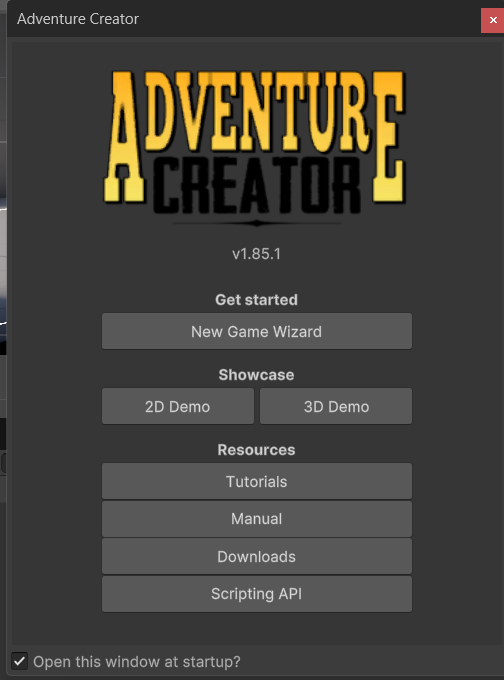
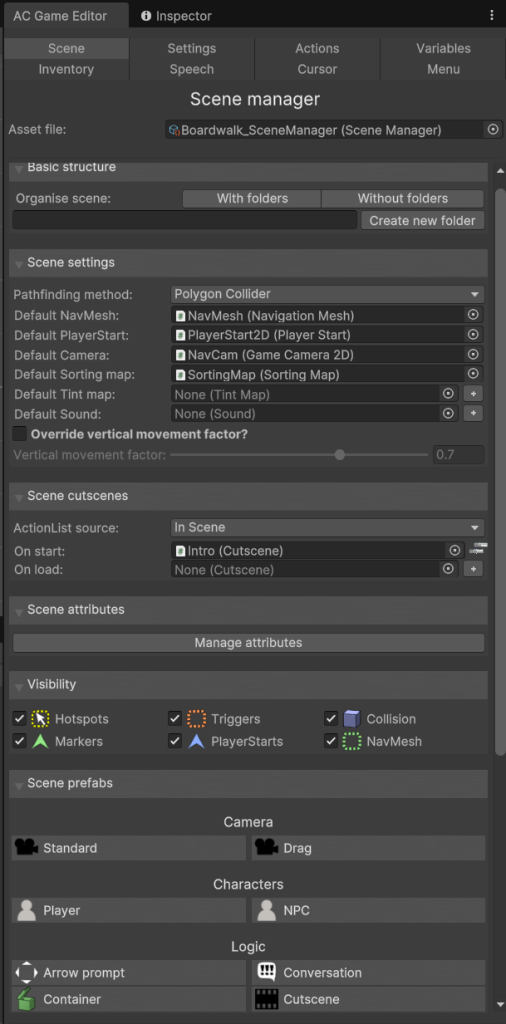
    This is what it looks like when opened and installed in Unity. The picture on the left is how it appears once you have set the game up, it has eveyrhting needed in one location with handy icons to recognise them by.


  • Picking an Artstyle

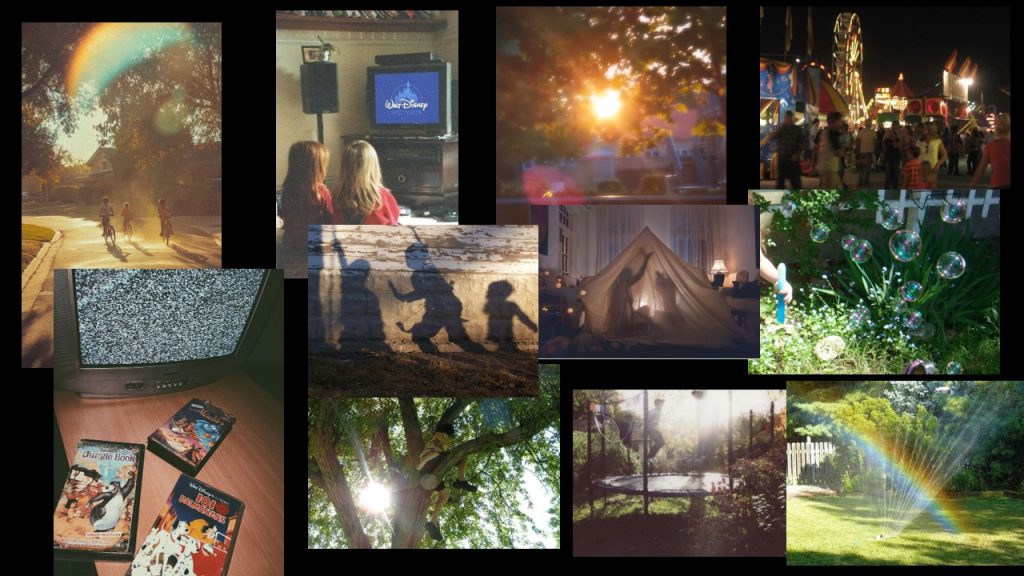
    Finding an artstyle for my game leaves many questions. The most obvious choice would be pixel art, as it’s very retro and old-school, perfect for nostalgia. However, the version of nostalgia I want to explore and emulate is the warm 2000s childhood nostalgia, this is also when I was a child.

    As seen in my moodboard. This is very different from 80s retro nostalgia. I also feel that there are a lot of small indie games using pixel graphics already.

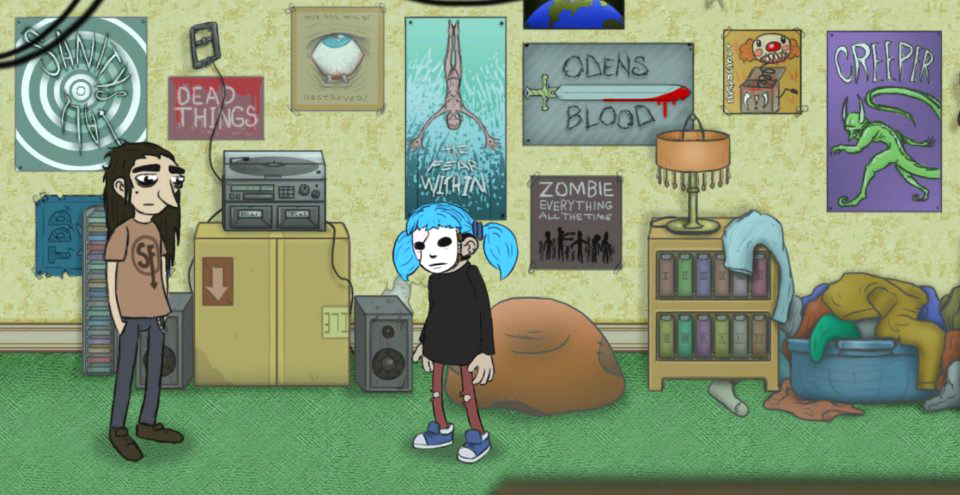
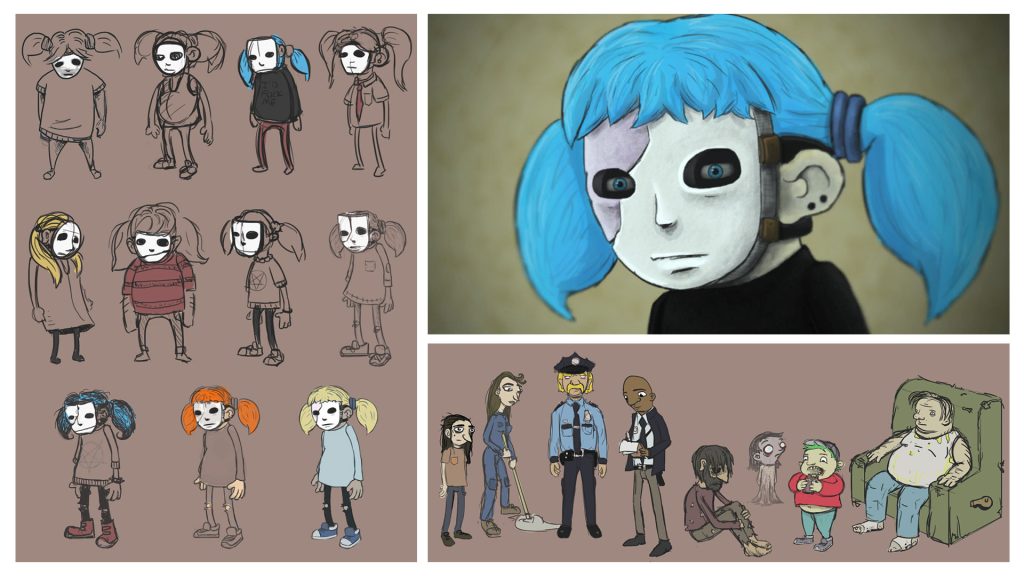
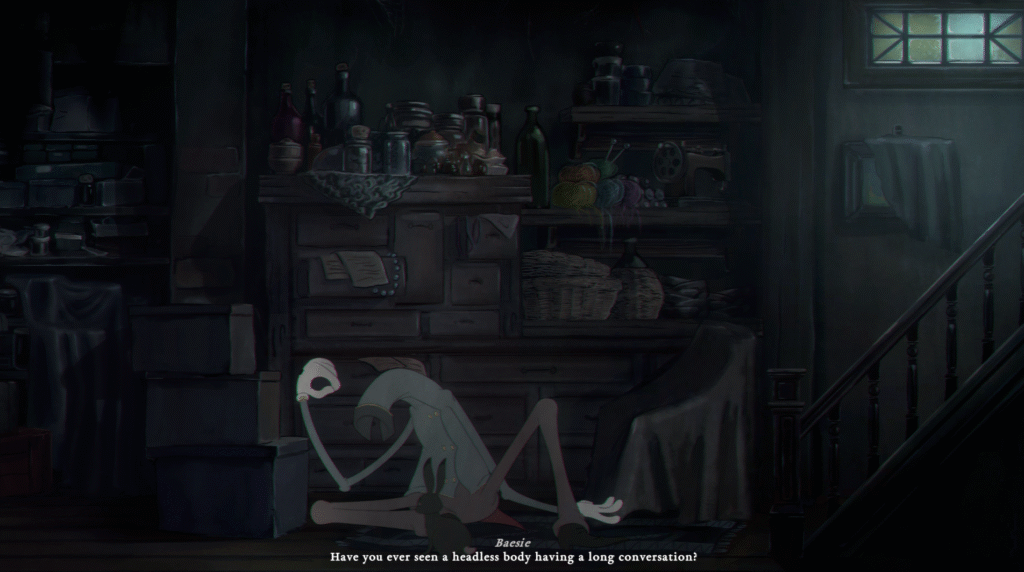
    I also have a preference for adventure games to have a more personable style. Seen in games like:

    • Sally Face –
    • Goodbye Sweet Carol –
    • Little Misfortune –

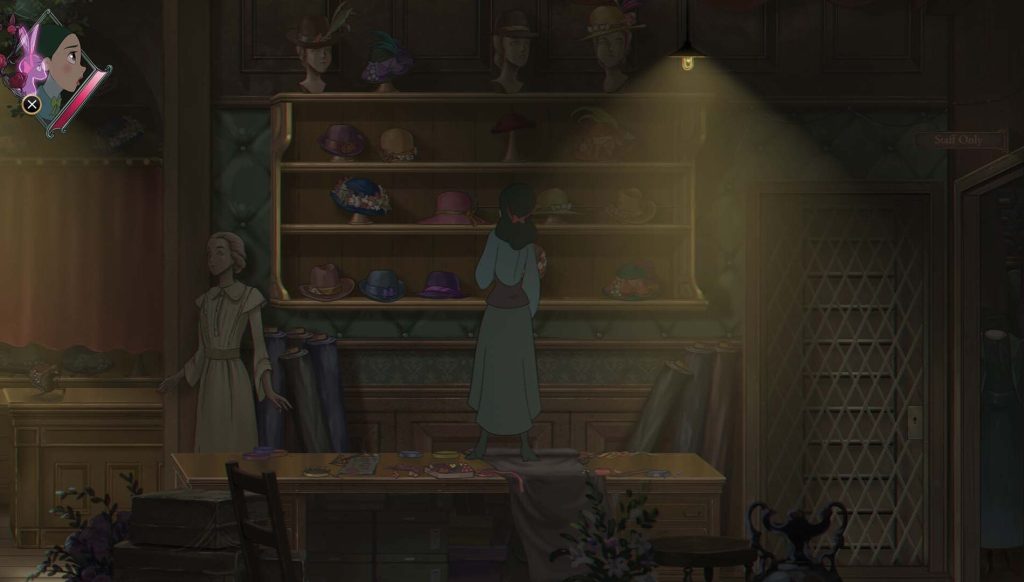
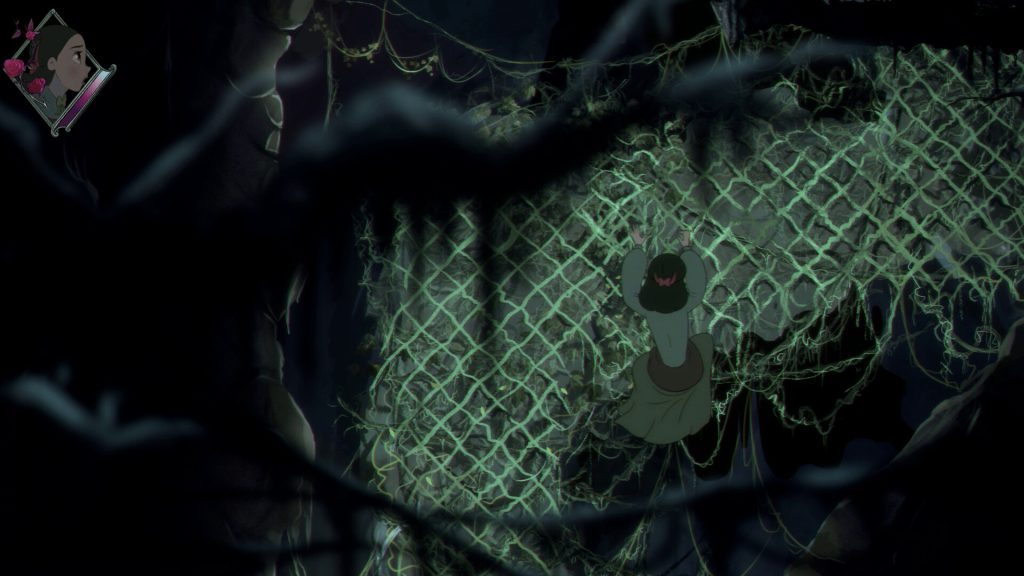
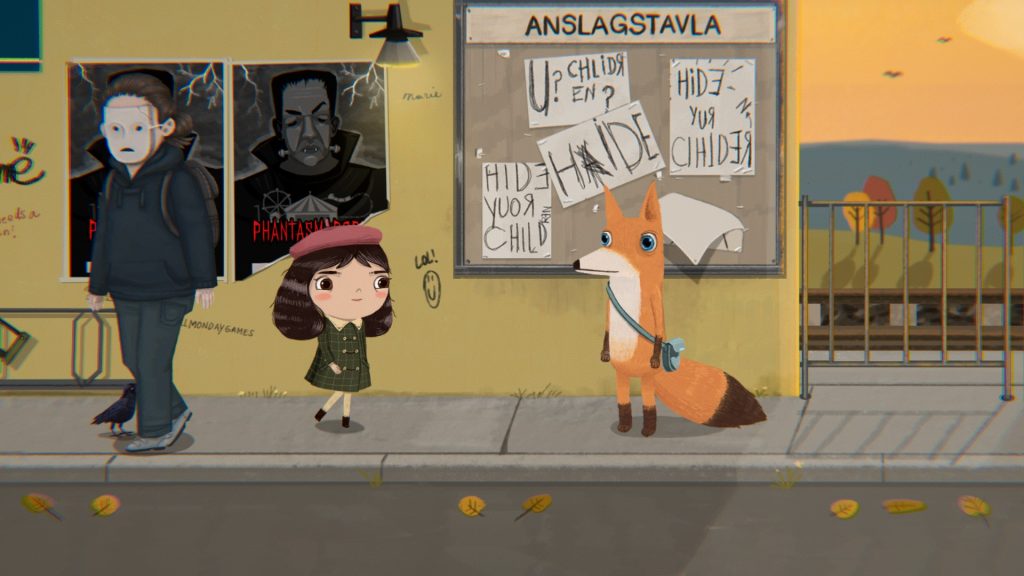
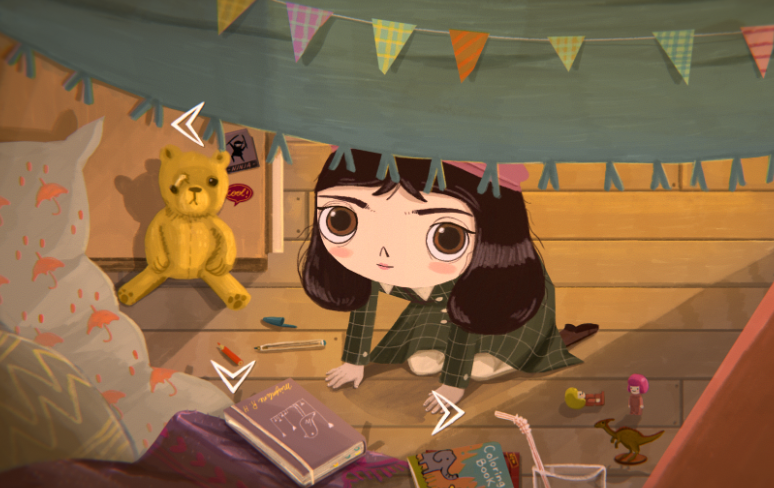
    These games are all eye catching and memorable, the artstyles distinct and fitting for the world these characters inhabit. A grungy barebones style for sally face’s grim apartment block, Disney inspired illustrations for Goodbye Sweet Carol as the real and fantastical world combine and overlap, and for Little Misfortune a wonky world that looks like it was drawn by a child to put the players inot the titular characters point of view.

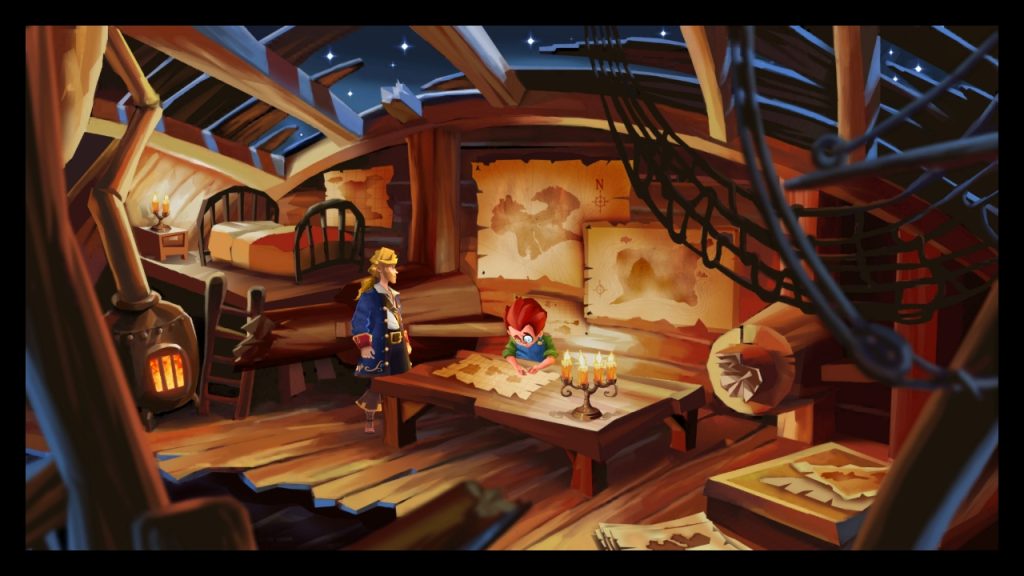
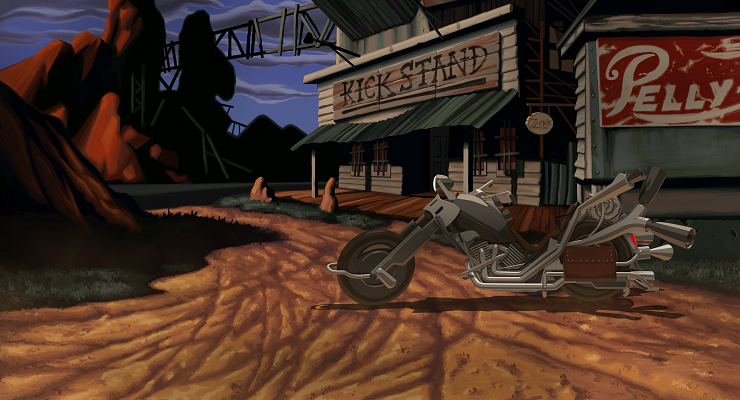
    Lucasarts Remasters –

    A large part of my childhood was Lucasarts games, specifically the remasters. These were wildly more accessible not only to play but to understand as a child. They all also had a strong digital style

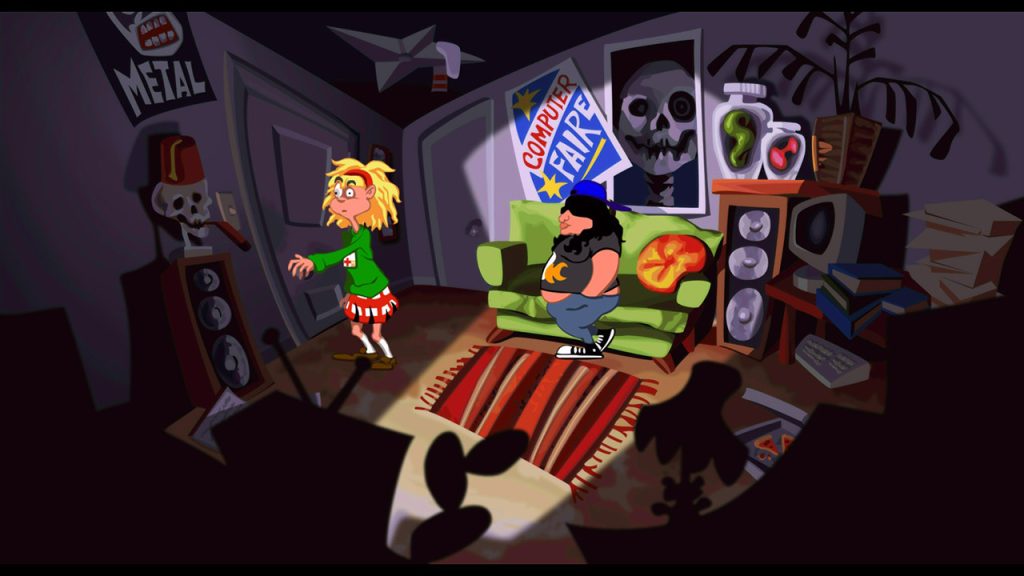
    These are examples from Monkey Island 2, The Day of the Tentacle and Full Throttle. The wackier games artsyle’s are more severe and cartoony whereas FT’s style is slightly more realistic to fit the tone of the game

    What I like about this style are the bold shapes and the use of layers to create dimension is also something I will be pursuing.

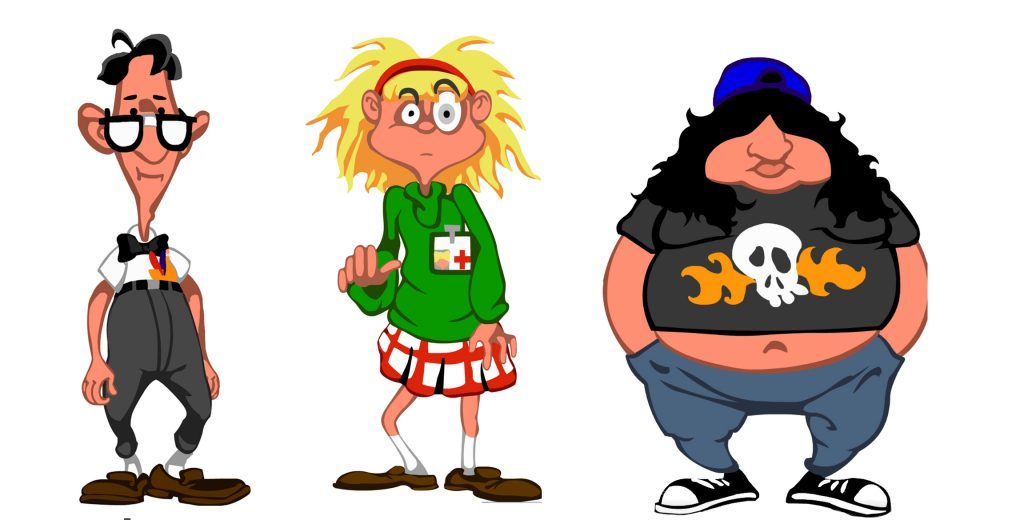
    Characters

    I also really like the simple designs of The Day of the Tentacle’s characters I want to emulate this in my designs, specifically the coloured line art and quirky designs.

    Visually Representing Nostalgia

    This is a hard task but I know how I would like to attempt it. After looking at images that feel nostalgic to me I have found some common features that I want to show in the game.

    • Warm muted colours
    • Bright lights
    • Vague fuzziness
    • Soft shading

    I decided to find artists that have these in their artworks to use as inspiration.

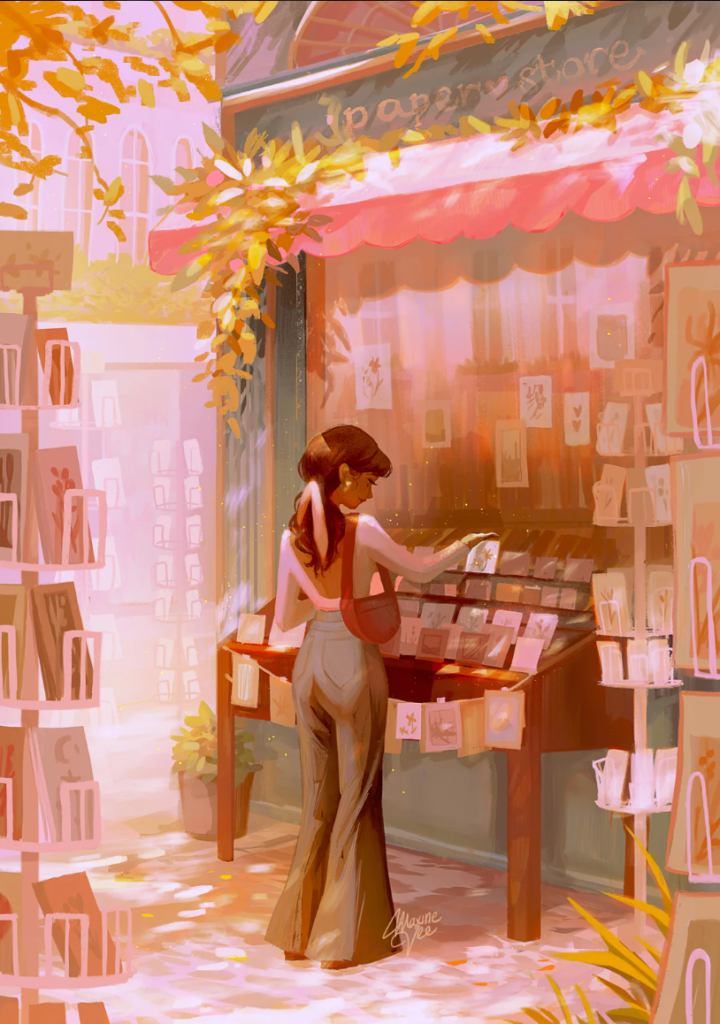
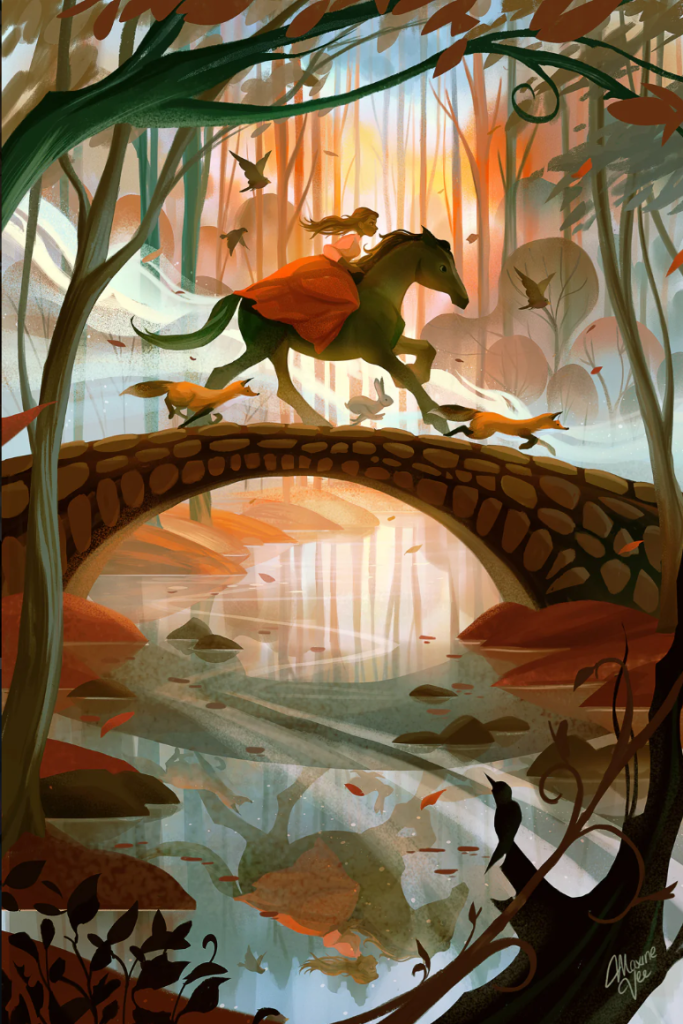
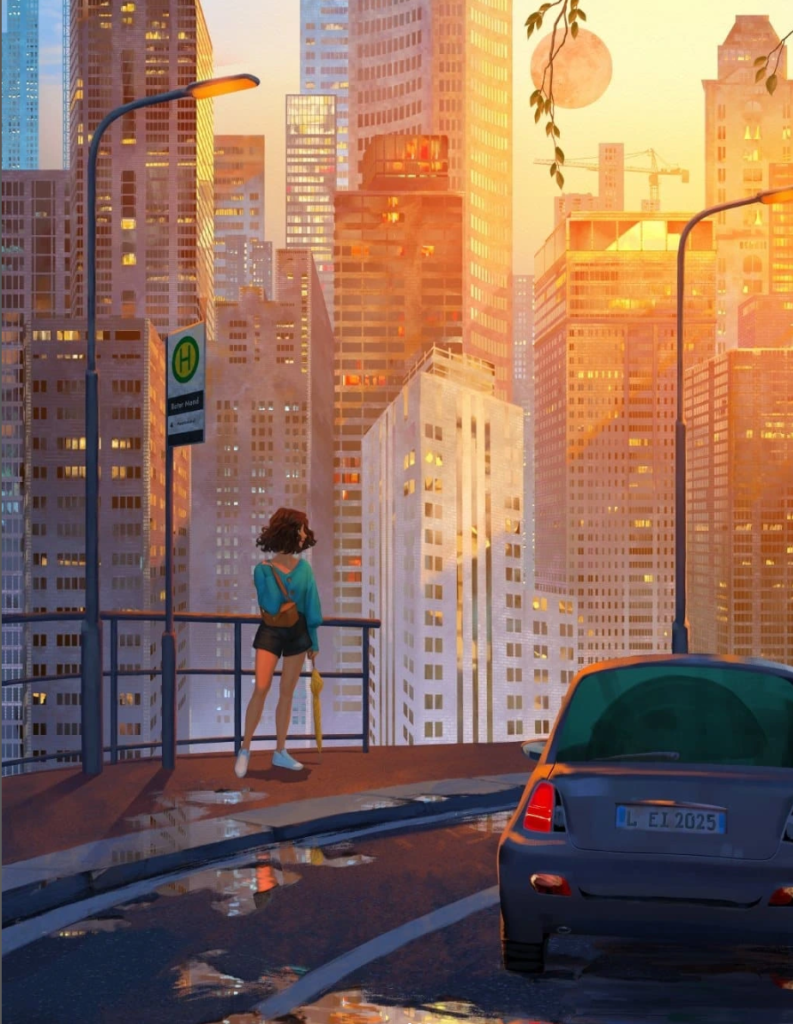
    Maxine Vee

    Her work focuses on snapshots in time, exploring whimsical worls and quiet moments, as described on her website. I chose her as Her illustrations create a warm feeling when looking at them and her use of texture to soften everything is something I want to use.

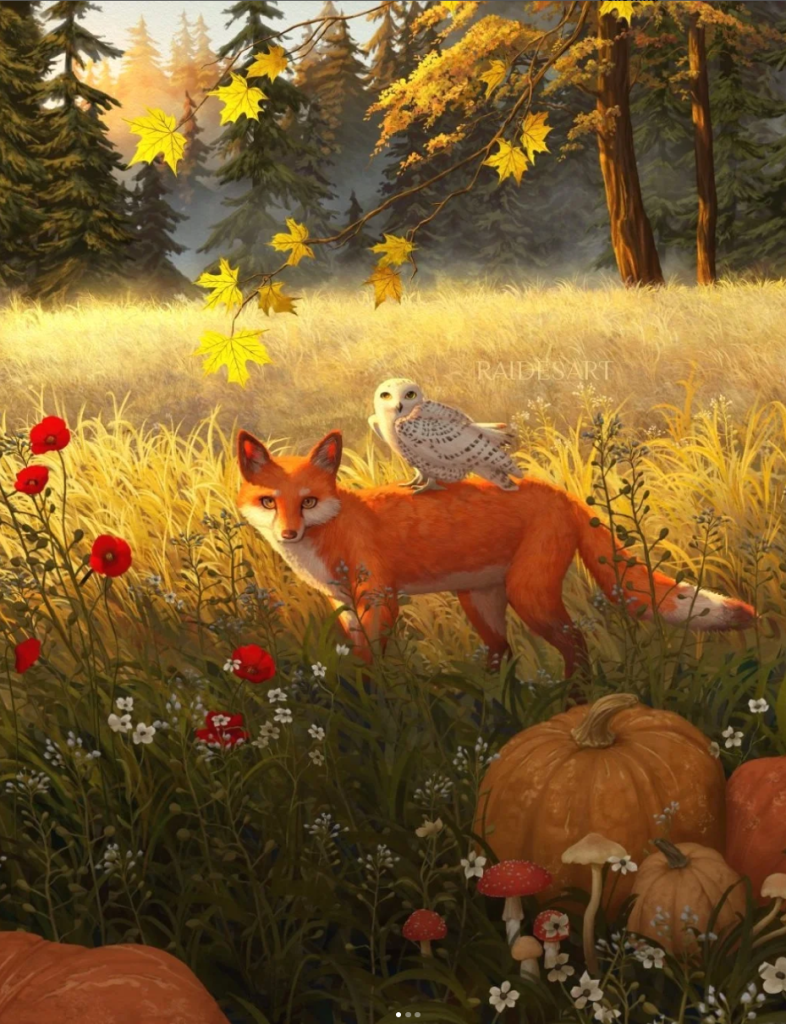
    RaidesArt

    What I love about Raidesart is her use of lighting to bring a scene to life. This similar to how I envision my game using lighting.

    How Will I Implement This Research into my Work?

    I now need to take this research forward and begin creating concept art for my environments and characters while referring back to the styles I have defined here as well as styles I do not want to use.


  • Puzzle Dependency Charts

    The main games that I am taking inspiration from are 90s point-and-click adventure games, these are most well knonw for there complicated non linear puzzles, that most often use very convoluted logic to solve the puzzles. These kind of puzzles sometimes face critiscm for “moon logic” i.e not making sense to a logical person.

    More often than not these puzzles have a charm to them and in the case of the Monkey Island series they allow it to inject their offbeat humour.

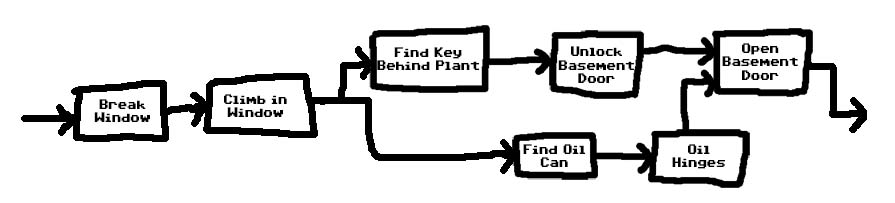
    Creating these puzzles is a challnge though so I went onto Ron Gilbert’s (one of the creators of the Monkey Island series) blog where he has detailed how he created the puzzles using puzzle dependancy charts. These are different to normal flow charts and allow for organised puzzle design.

    They do not include story beats and only focus on the puzzle. You start with the end of the puzzle then work backwards adding items that the solution is dependent on.

    The example in the blog. ^

    https://grumpygamer.com/puzzle_dependency_charts


  • Nostalgia in Games

    What is Nostalgia?

    Nostalgia is a very hard concept to generalise and create tactile representations of, because of this, it is a widely researched topic. It can be evoked by sounds, scents or images. The person usually thinks back to fond memories from childhood even if the time was not very good, nostalgia makes the person see it fondly or through “rose-tinted glasses”

    How Does This Relate to Games?

    As nostalgia can be triggered by sounds and images games are a perfect vehicle for evoking it, not only have many people grown up playing videogames but they are uniquely suited for nostalgia as most games reflect the technology of the time through their visuals and gameplay.

    https://www.researchgate.net/publication/329189861_Video_Games_as_Objects_and_Vehicles_of_Nostalgia

    This paper looks at videogames as objects and vehicles of nostalgia by acknowledging the “nostalgia” of arcade retro games such as 8-bit soundtracks and visuals as well as the content of the games. It also looks at how games can accurately create a historical location possibly evoking nostalgia for the place through the videogame.

    https://www.sciencedirect.com/science/article/abs/pii/S2352250X22002652

    Whilst I cannot access the full paper the summary and abstract suggest that nostalgia through videogames can be psychologically beneficial. It also suggests that the average age of a gamer has changed to 30 as they are the generation that grew up playing them.

    “As video games mature, so are their players—by some estimates, the average age of a gamer is in their 30s, and often playing games with their children.” – (Bowman and Wulf, 2023)

    The part that really captures my attention is that these players are now playing with their children, creating new nostalgia. In my game I want to appeal to this subsection of players by creating something that evokes the parents nostalgia via the gameplay or visuals and it also appeals to the children, creating a new generation that feels nostalgic towards the same kind of games that their parents played. This interest of mine is because I grew up playing the remastered versions of my dad’s favourite games, The Secret of Monkey Island, The Day of the Tentacle and Grim Fandango. These are some of my most treasured memories and I want to create something for other people to have the same kind of memories.