RESEARCH
Design Research & Systemic Foundations
RESEARCH documents the conceptual and systemic foundations of THRESHOLD: SIGNAL AT THE EDGE.
Rather than serving as preliminary reference material, this chapter articulates the design questions, analytical frameworks, and structural constraints that inform all subsequent decisions.
Each research section examines how systems, perception, and narrative operate collectively, establishing a coherent logic that directly feeds into the Game Design Document.
01
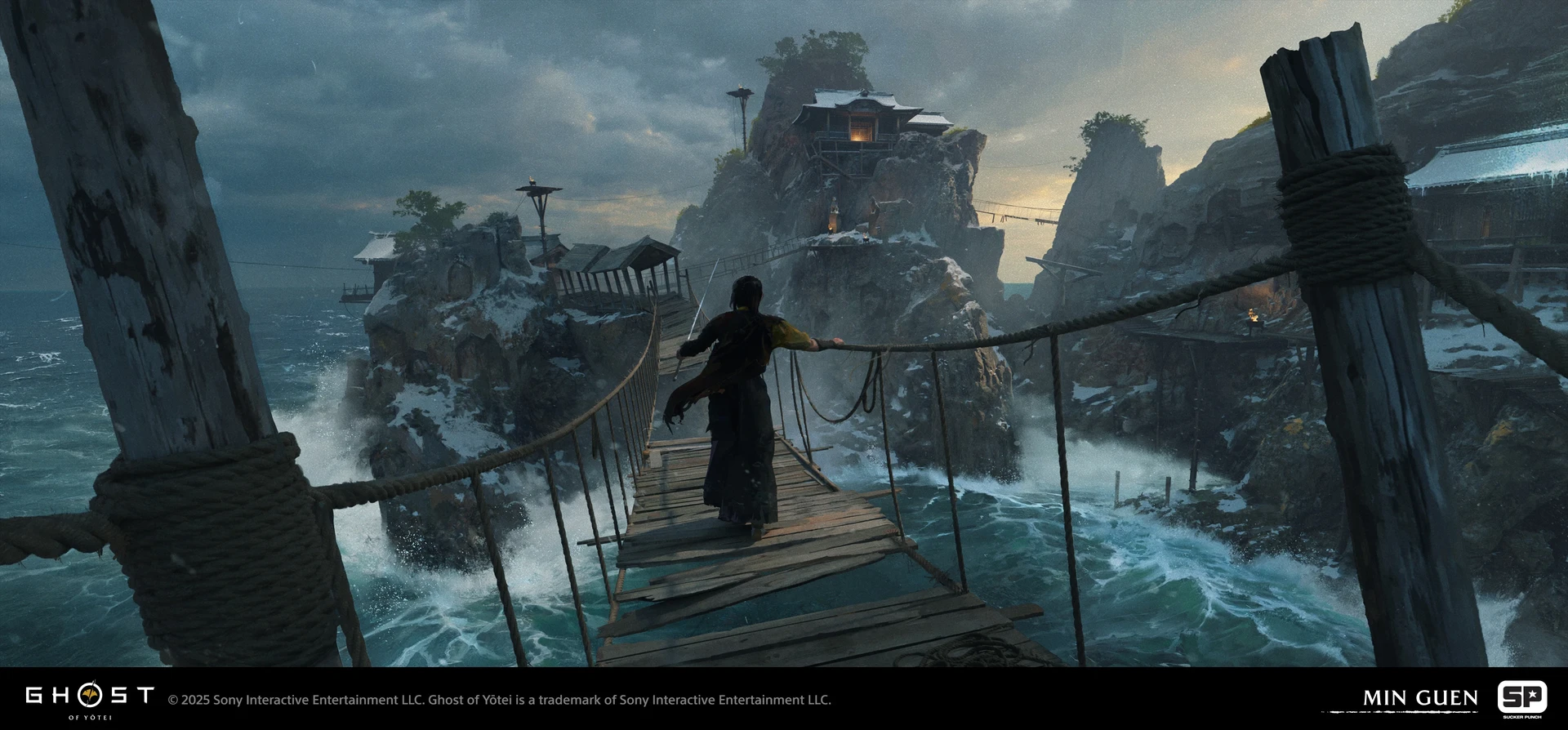
World as a System Not a Narrative Container
Rather than functioning as a passive backdrop for authored narrative events, the game world is approached as an autonomous system with its own logic, rhythms, and constraints. Meaning emerges not from explicit storytelling, but from the player’s sustained interaction with a world that operates independently of their presence.
02
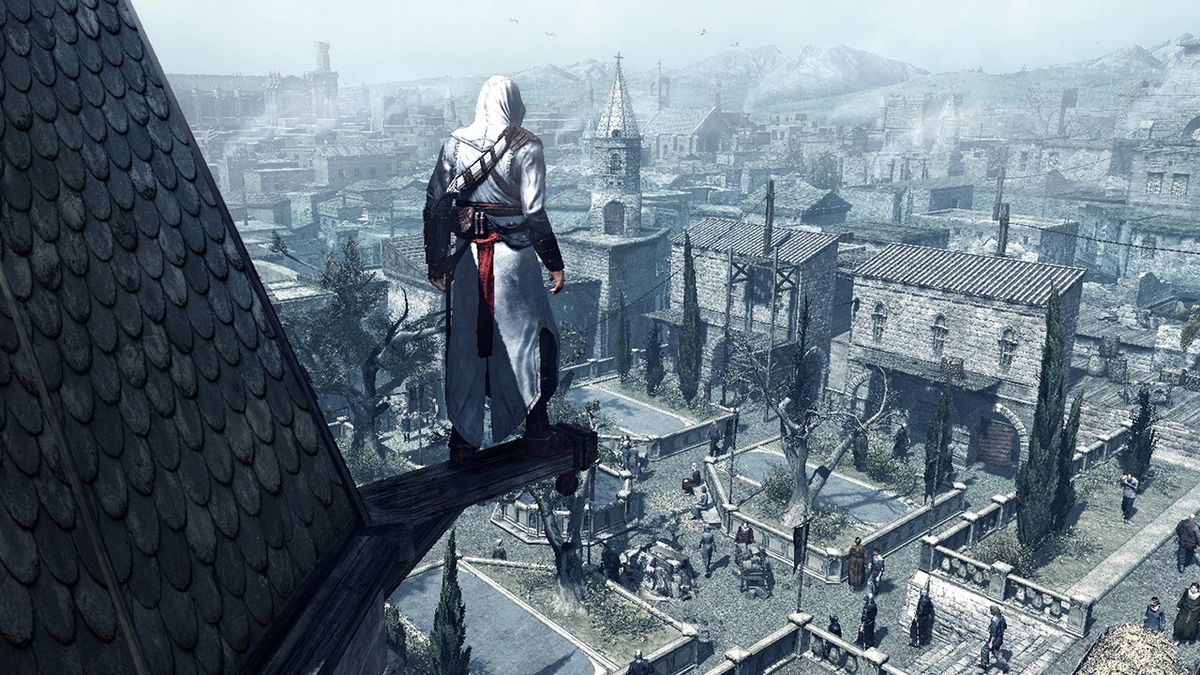
Stealth as a Systemic Mechanism
Rather than functioning as a discrete mechanic, stealth is examined here as a systemic condition shaped by visibility, information uncertainty, environmental feedback, and player restraint. This section frames stealth not as avoidance alone, but as an ongoing negotiation between player perception and world response, positioning stealth as a research lens for understanding systemic tension, agency, and interpretive play.
03
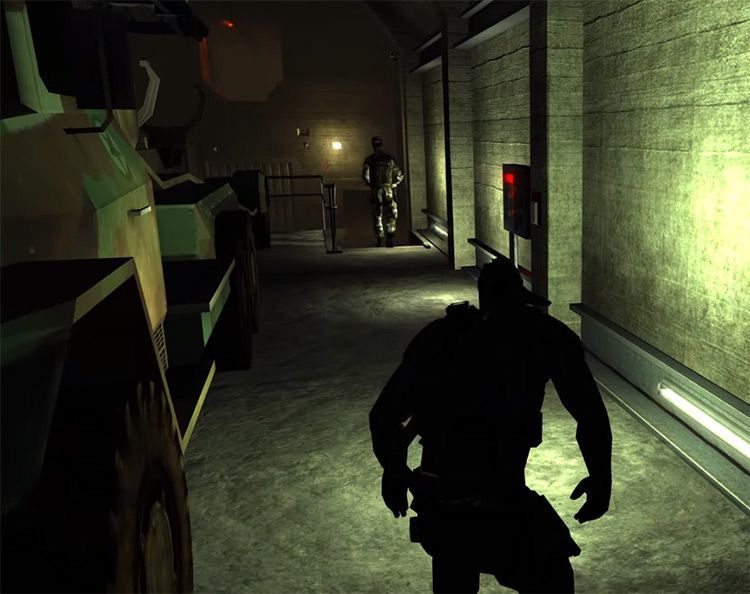
Conceptual Worldbuilding Research
This section examines worldbuilding as a conceptual and systemic design practice rather than a narrative backdrop. The research focuses on how spatial structure, visual language, and environmental logic construct meaning through player interpretation.
04
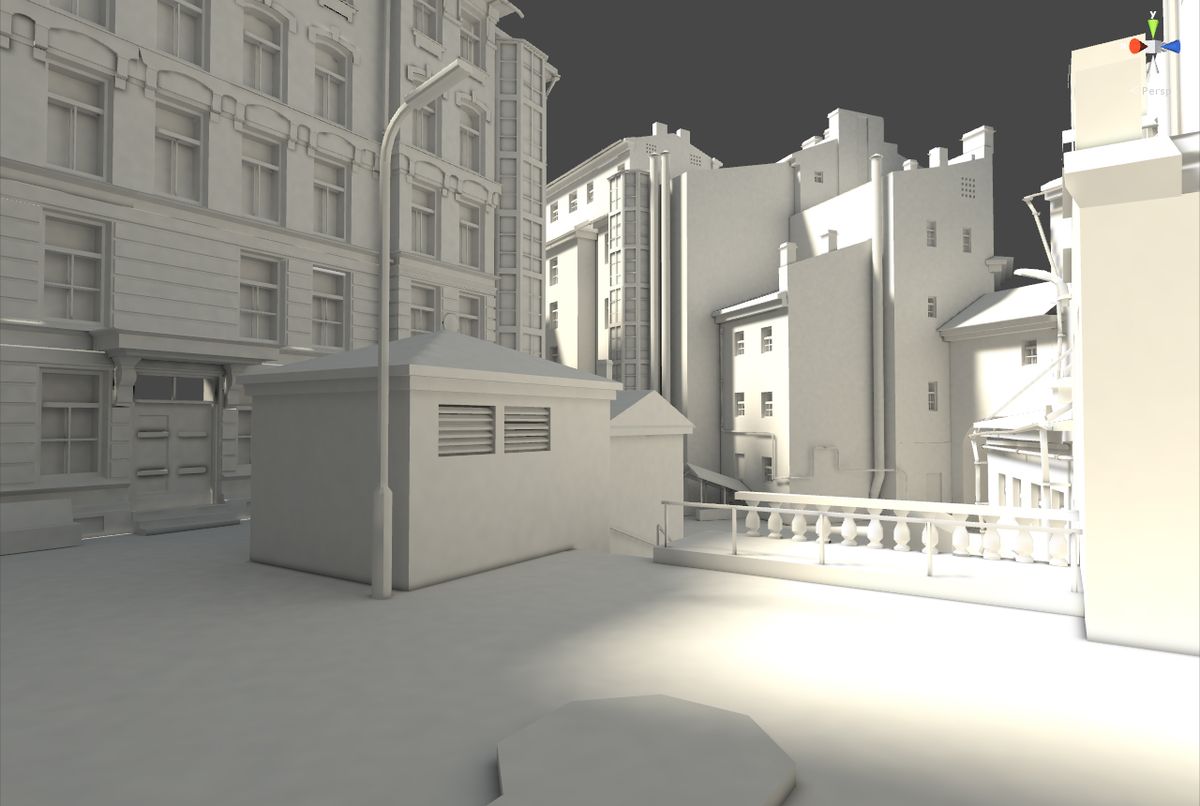
Conceptual Visual Design for Systemic Worlds
This research section examines worldbuilding as a conceptual and systemic design process rather than a purely narrative or aesthetic exercise. It focuses on how spatial structure, architectural language, and visual restraint function as design tools that shape player perception, interpretation, and decision-making.