Introduction
Kei cars are a special category of vehicle in Japan, a type of small, inexpensive car that simply allows owners to travel from A to B. Harsh restrictions on dimensions, power output and top speed allows kei cars to be much more affordable, with lower tax and insurance rates. Due to this, they are extremely popular both in cities with young people and in rural areas with older people.
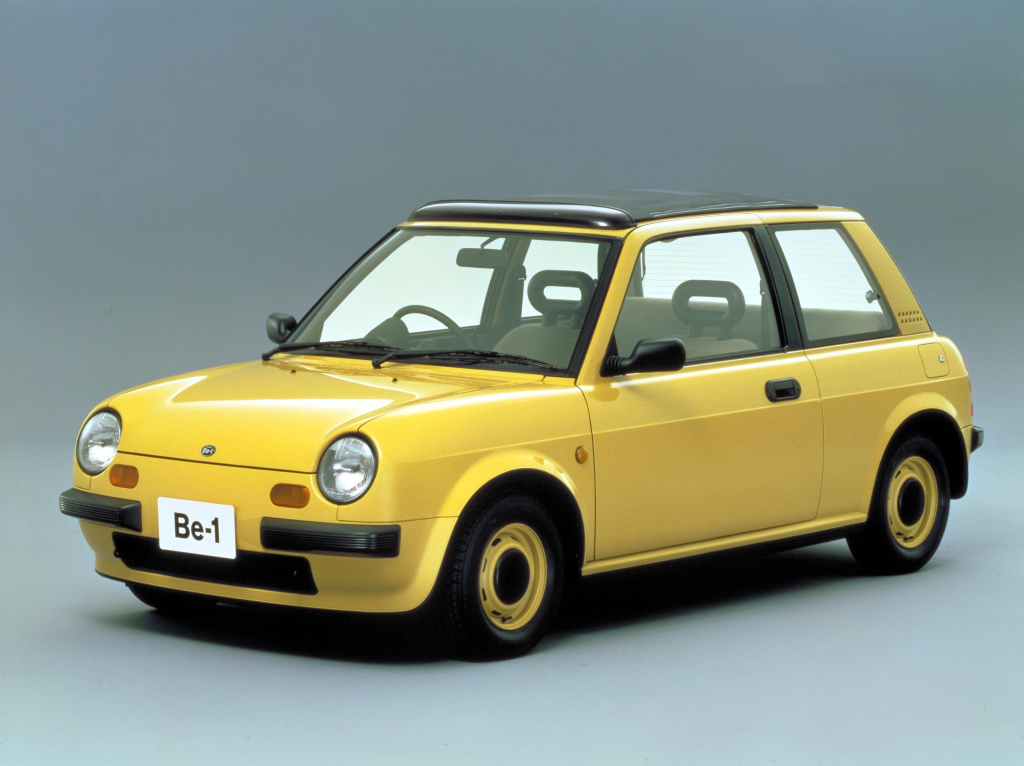
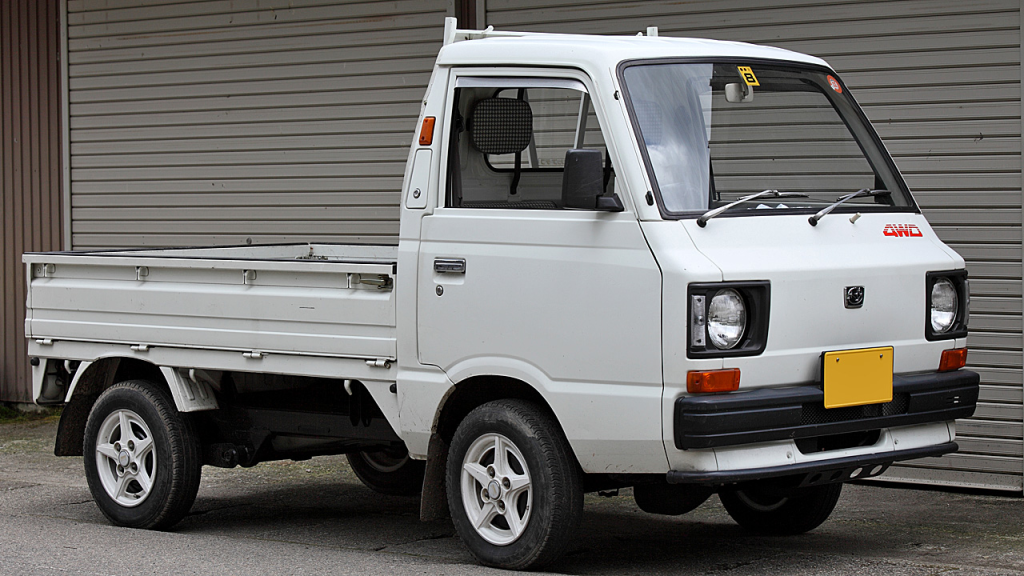
Despite their limited size, kei cars come in a multitude of different shapes and setups for different uses, from sports cars, coupes, vans, and even off-road cars and trucks. Outside of Japan these vehicles have been an increasingly popular enthusiast vehicle due to their relative rarity in the western world, with many owners and fans admiring the simplicity and humility of their design philosophy compared to vehicles in the US.
History
Starting in the post-WWII era, the vehicle class was created to give people a low-cost transportation option for both personal use and delivery use for businesses, as well as to stimulate the automotive industry in the country.
The first class of cars were much more limited, with a maximum engine displacement of 150cc. For comparison, even a modern lawn mower is more powerful than this, at 200cc. Ever since then, the category has had numerous revisions over the years, with the current limit at a max total of 660cc, and maximum dimensions of 3.4×1.48 metres, with a maximum height of 2 metres.
Notable Vehicles
While kei cars have not reached the point of wide popularity outside of Japan, they can still be found all around the world as export vehicles, and some cars made outside of the country have earned kei car classification.
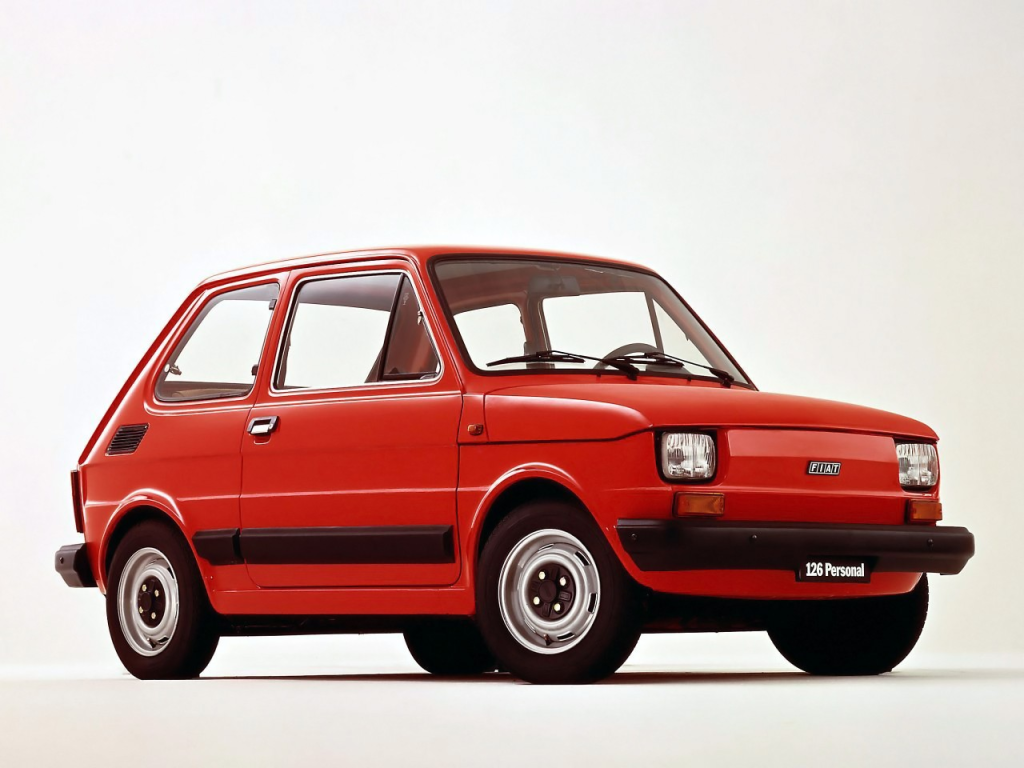
One such example of this is the Fiat 126. This 1970’s car was extremely popular all over the world for a long-lived production run of 28 years, especially within Poland where it earned the nickname ‘Maluch’, meaning ‘little one’.
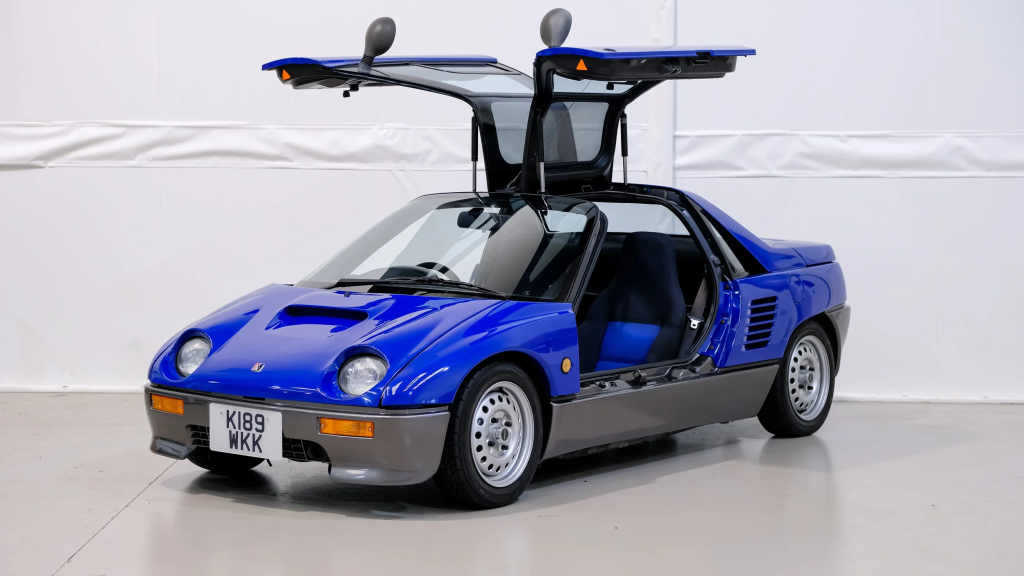
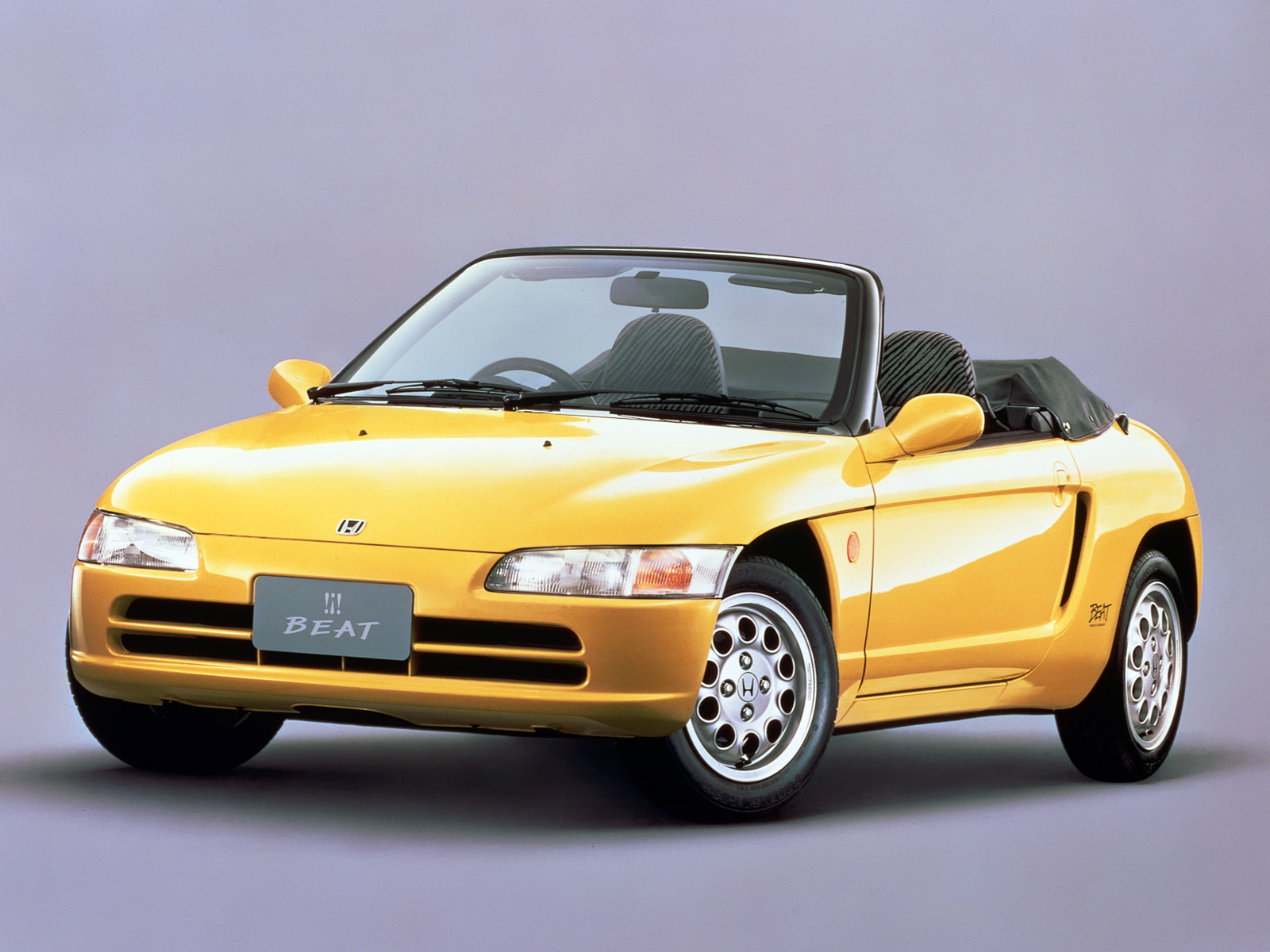
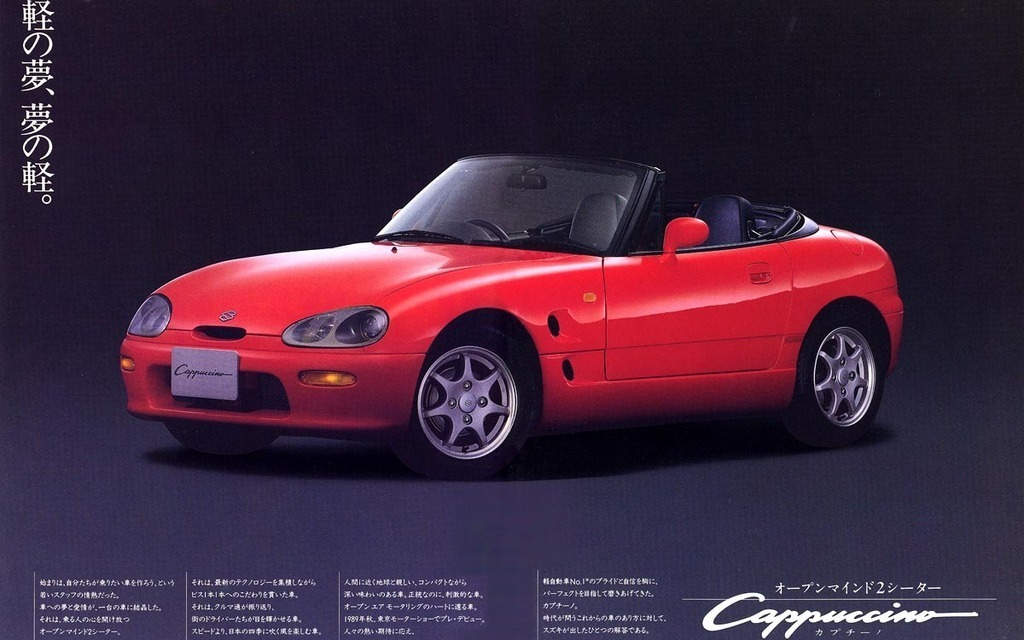
Around the early 90’s, there were 3 main sports kei cars dominating the market, that have since become legendary in the community of fans: the Autozam AZ-1, the Honda Beat, and the Suzuki Cappuccino.
Personal Influence
While I mainly enjoy these cars for their looks and the idea of a fun, inexpensive vehicle for young people, I think I also share the appreciation for kei cars as part of a vision for what a more sustainable future could be for personal vehicles: focusing on giving people something affordable that suits their needs while not engaging in an arms race to make vehicles more powerful and intimidating at the cost of making them unsafe for pedestrians. Overall, I am more in favour of public transit instead of individual personal vehicles, but a philosophy like this would be a great first step towards something better.
Leave a Reply