
This week we had Canteen Studios in to deliver a guest lecture. They are a small two person studio working on their second professional game. They had sectioned their talk into twelves tips for game development
- Games are about iteration – iterate and constantly improve
- Playtest as much as you can – fresh eyes on the porject will help you discover issues and whats not working
- It’s a marathon not a sprint – be kind to yourself and don’t burn yourself out
- Set goals – work in milestones and have achievable weekly/monthly/yearly goals
- Work backwards – determine your end goal then work backwards to understand what you need to do
- Keep track of your progress – good for motivation helps you to see how far you have come
- Watch out for bottleneck and dependencies – pay attention and make sure that you don’t end up in a situation where the project cannot move forward without a single persons work
- Have a solid foundation – know what you want to create before starting but also keep in mind games are about discovery
- Aim for less at a higher quality – don’t be afraid to take things out of the game if the workload is to much, focus on making what you have the highest quality possible
- Do not leave things till the end – work with the goals to stay on track and not rush at the end
- Don’t forget the player – always think about what you are making and how the player will find it
- Games need tutorials – both explicit and implicit ones within the game itself
After the talk they went around the room and spoke to each group. We pitched our game and explained our current working progress, the reception to this was positive.
Overall the talk was very helpful. It was nice to see a functioning indie studio and the tips will be invaluable.
On Tuesday we had our weekly meeting. Our technical artist was unwell and could not make it. The main issue at the moment is that me and the other artist have very different artstyles we decided that we should try an exercise where we take the same reference and paint it. We tried to use the same rules and style such as the same watercolour paint and black fine liner pens. Team meeting breakdown
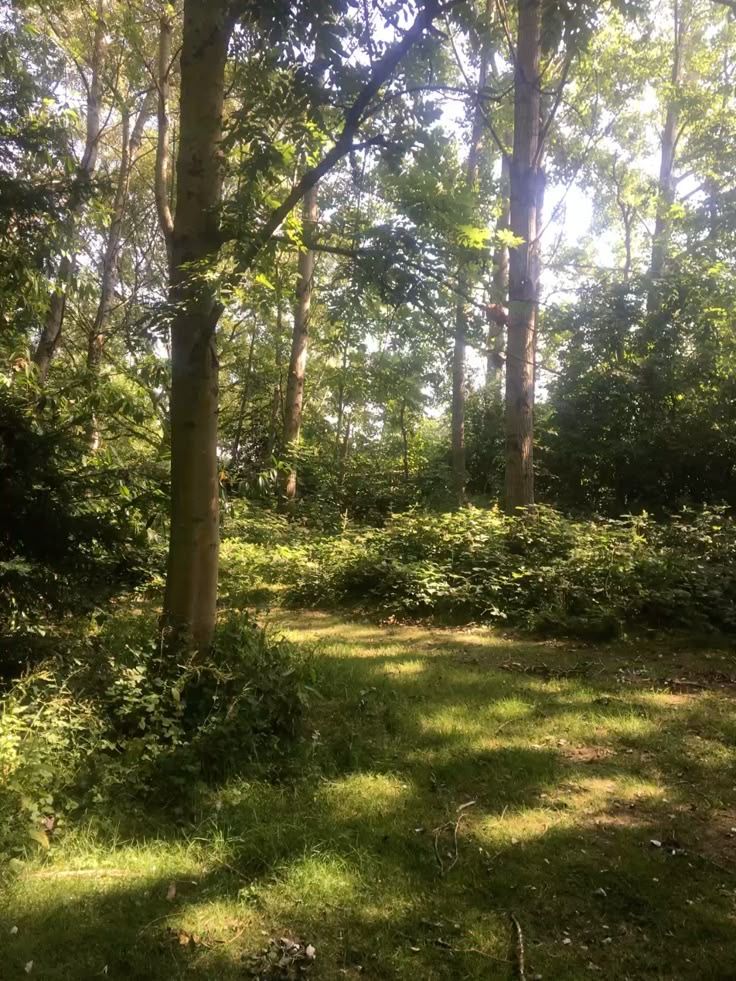
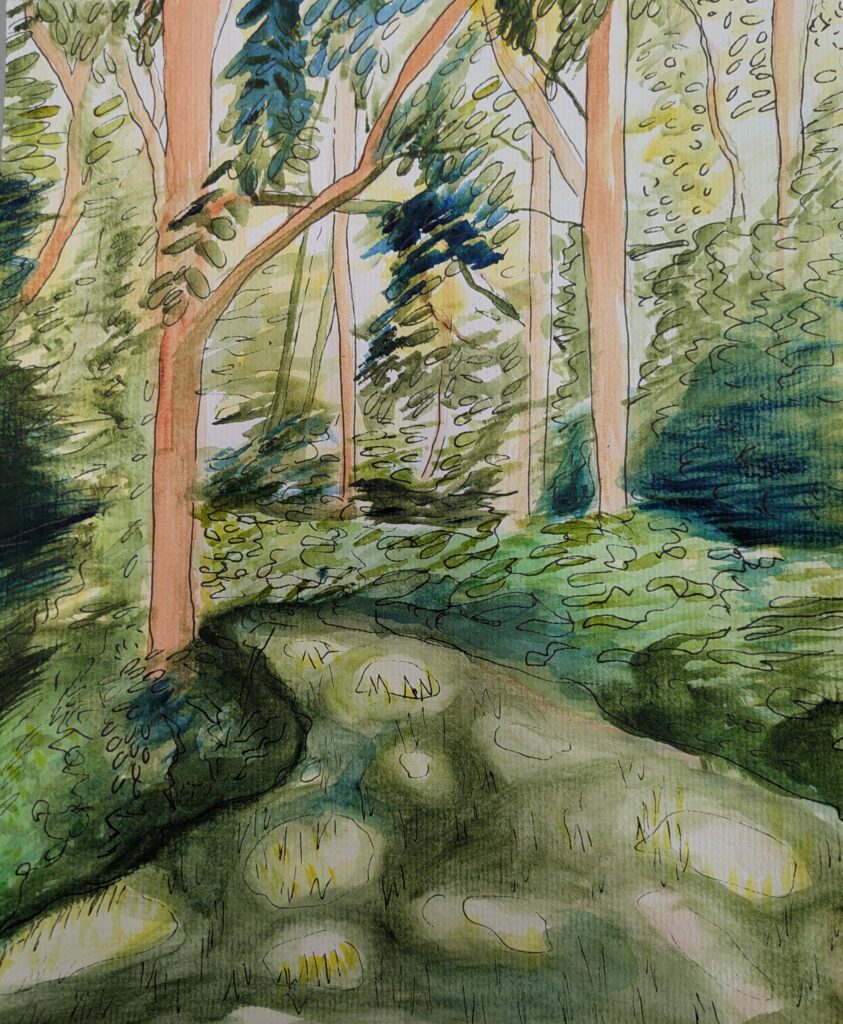
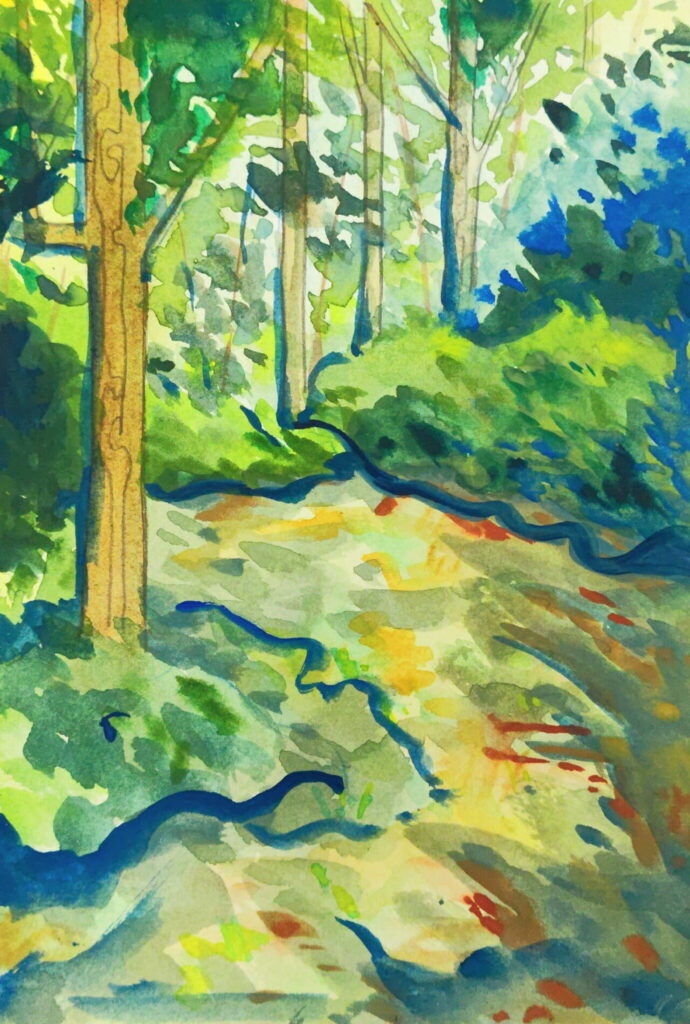
These are the finished pieces. Obviously there are many differences, my work is more realistic and I am less experienced with environment pieces. This was a useful activity though as maybe it seems that we should pivot our plans and revert back to the original roles.
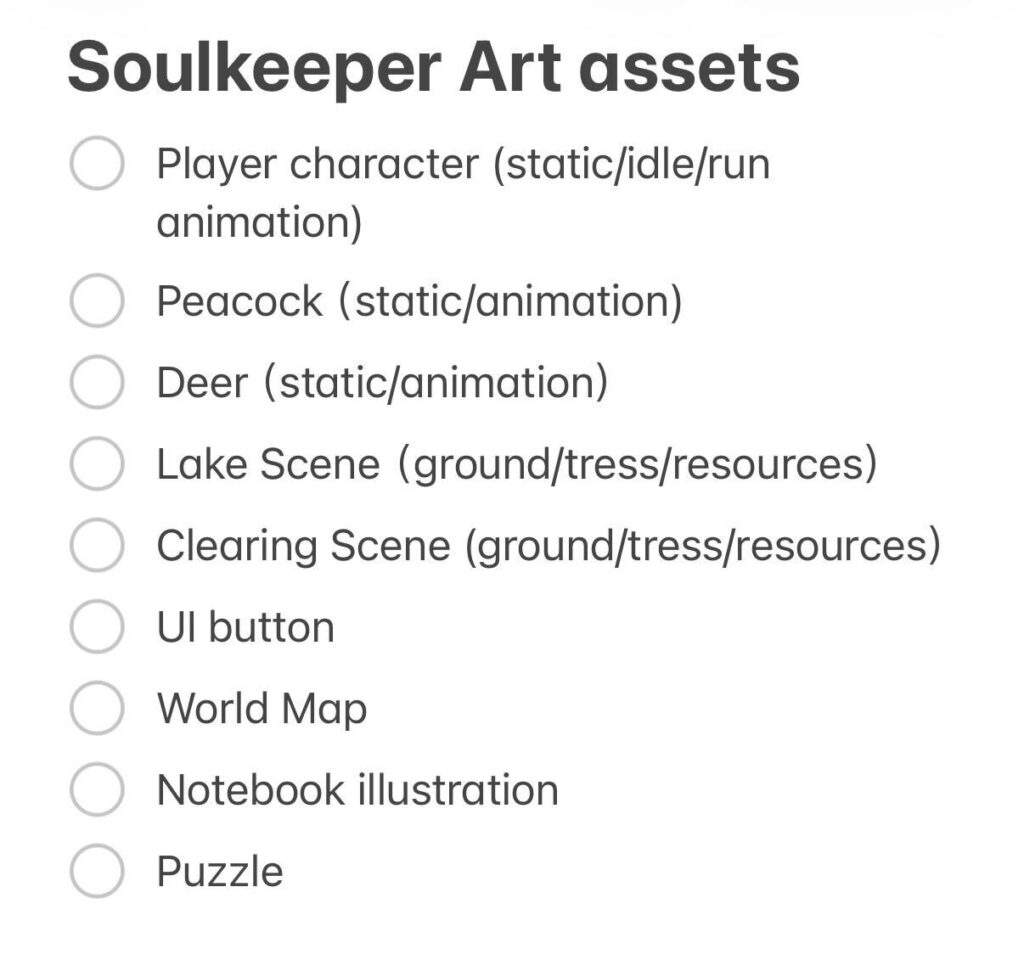
During the meeting our mecanics designer produced a list of the assets that needed to be created.
After a discussion with the other artist where I proposed two options one where we stick to the current plan and I take the character, deer, lake, world map and puzzle or we revert to the original roles and I take the character, deer, peacock, world map and puzzle. The other artist chose the latter option but wanted the world map. This setup works very well for me.
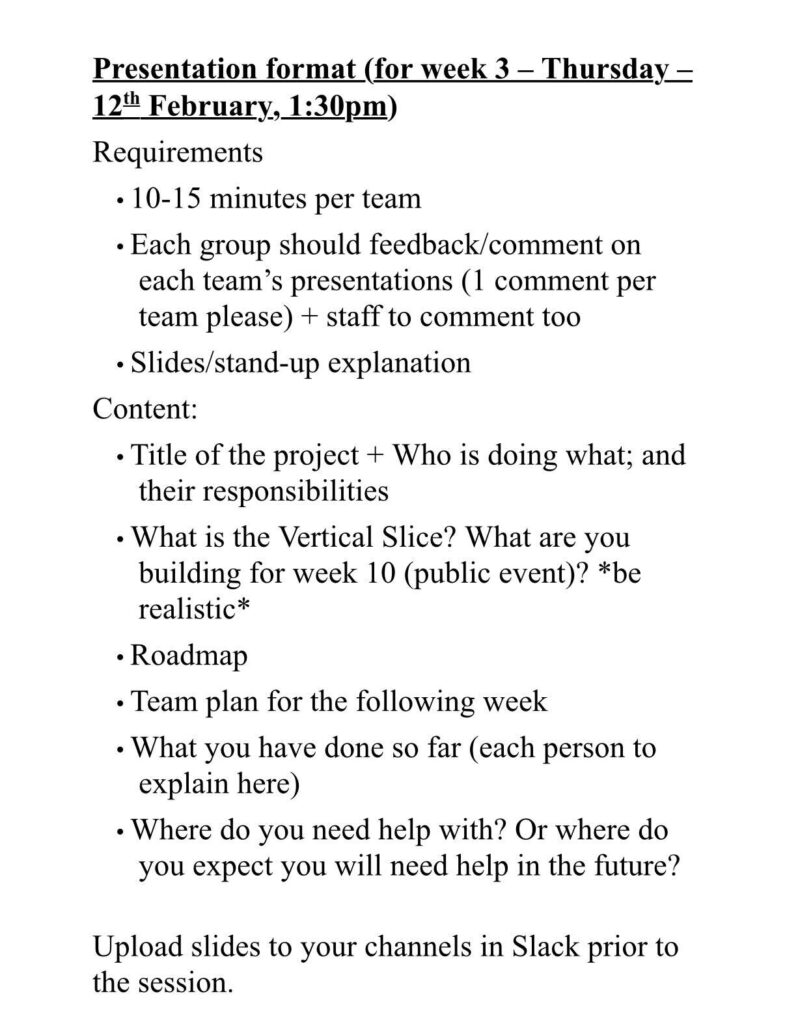
On Thursday we had a presentation. We were given this sheet to plan our presentation accordingly.
We all created our single slides about what we had been focusing on and I volunteered to create the rest of the slides.
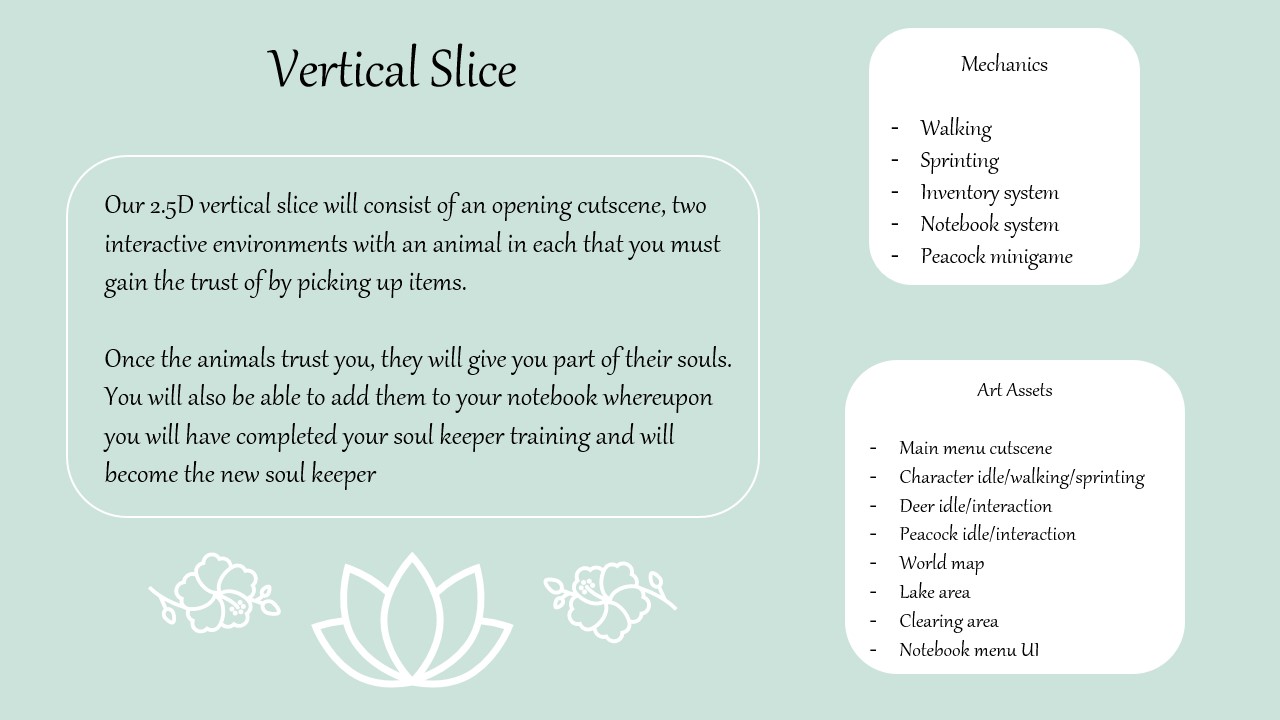

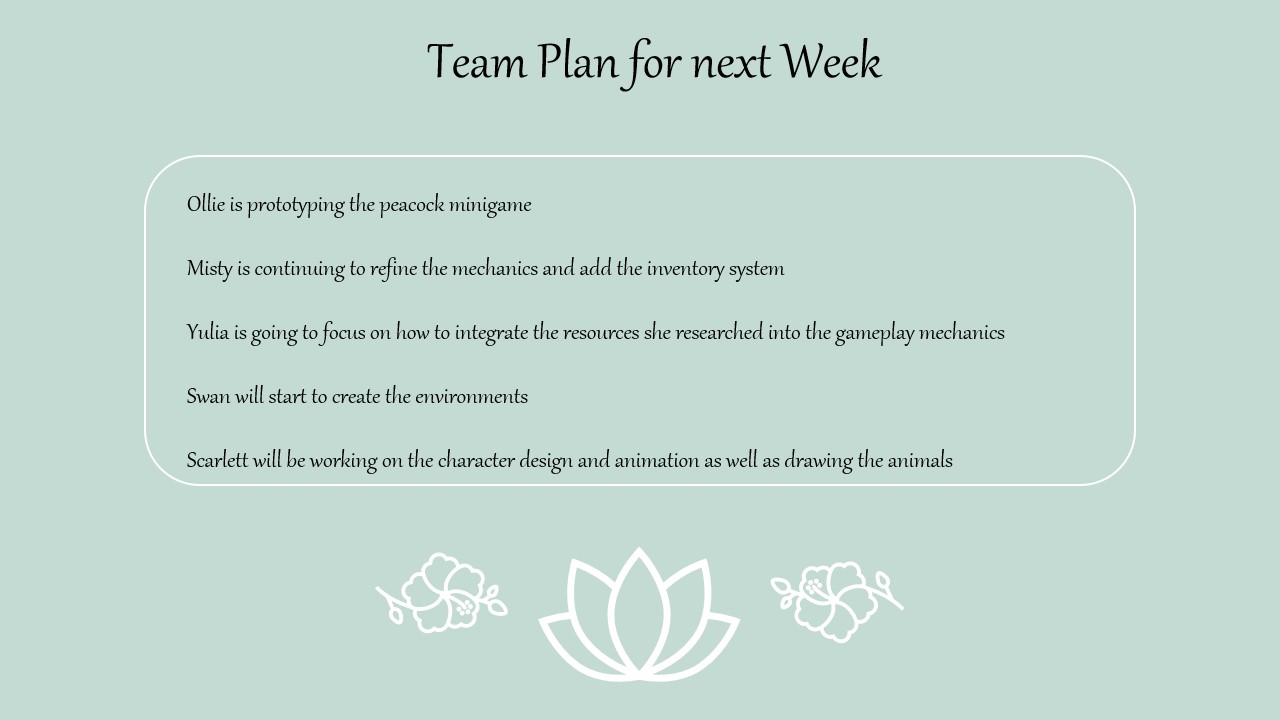
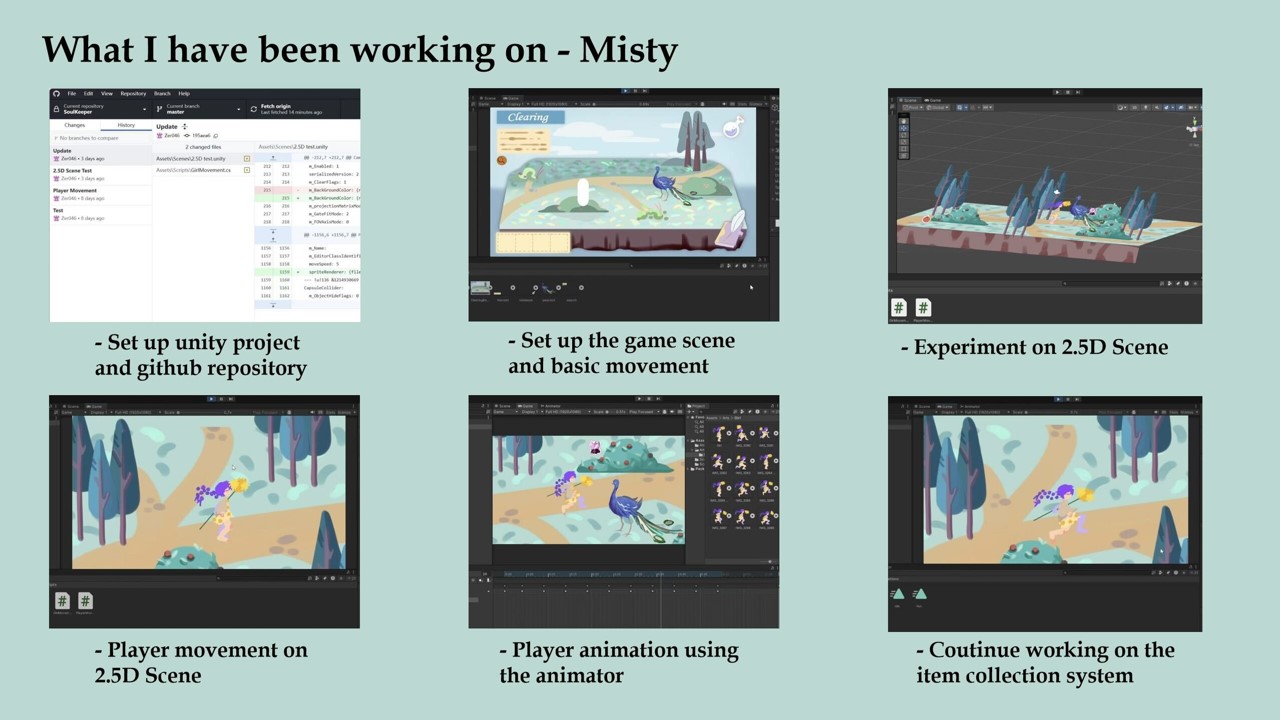
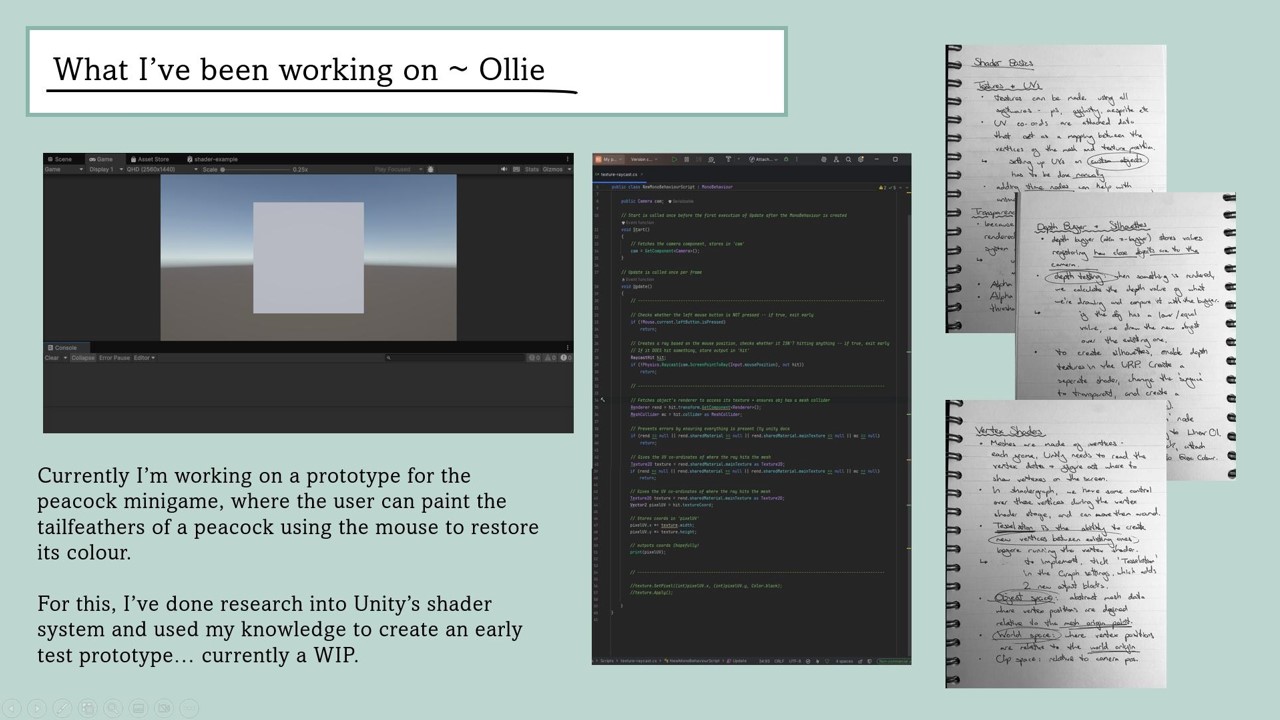
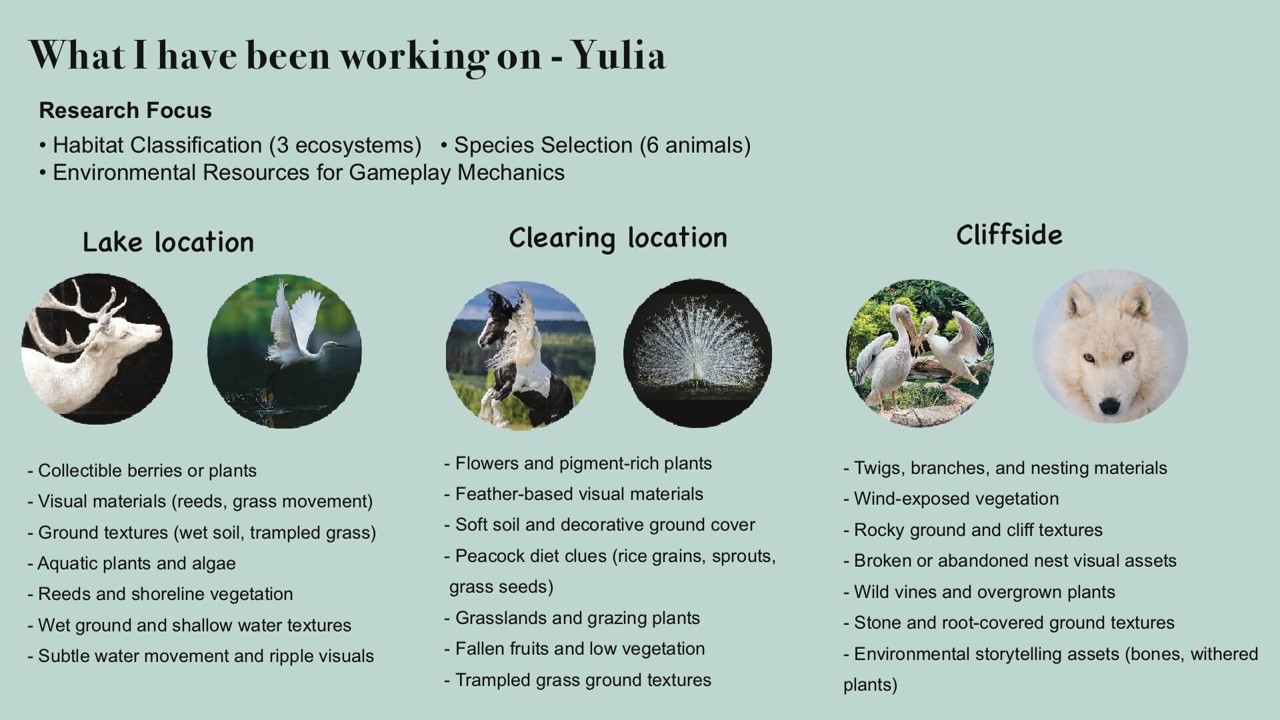
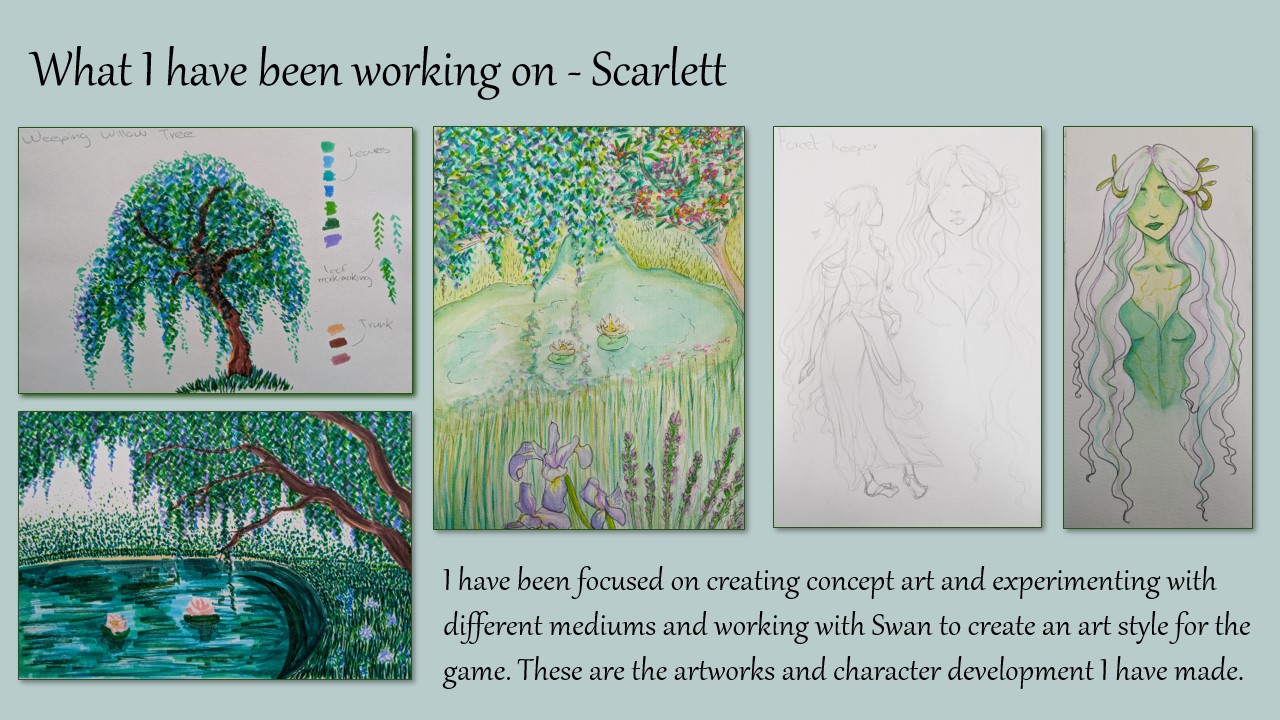
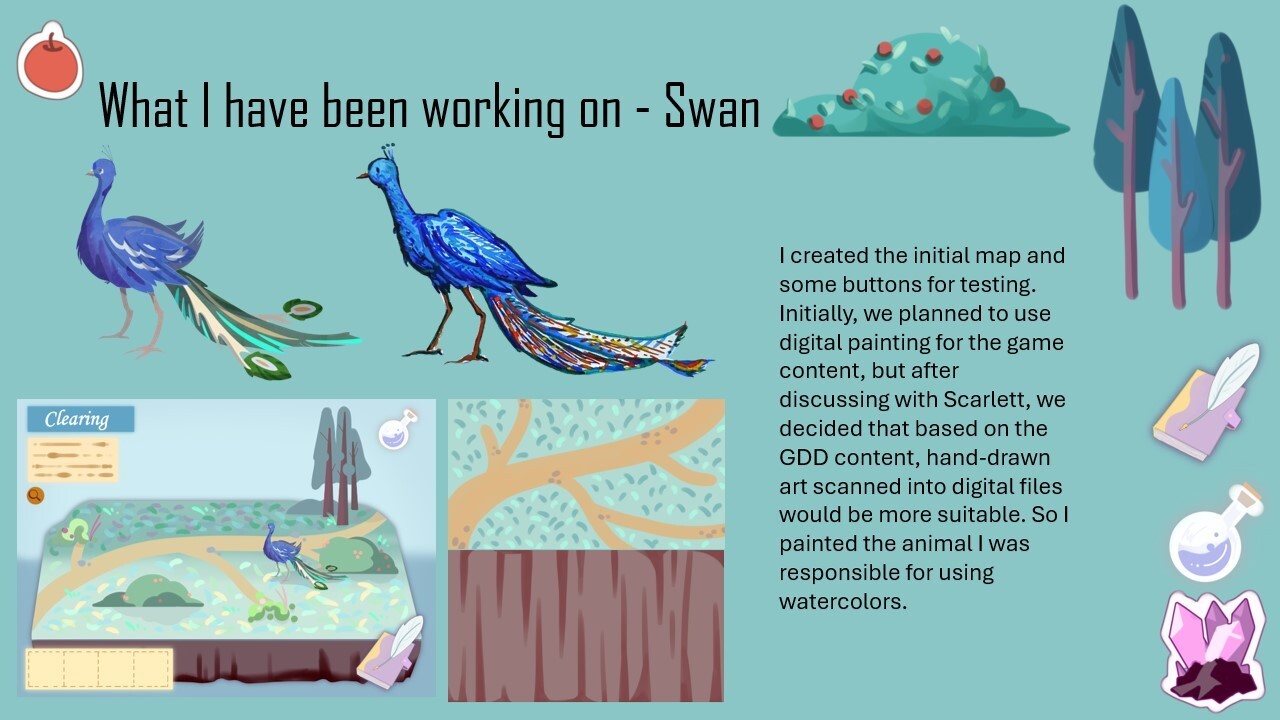
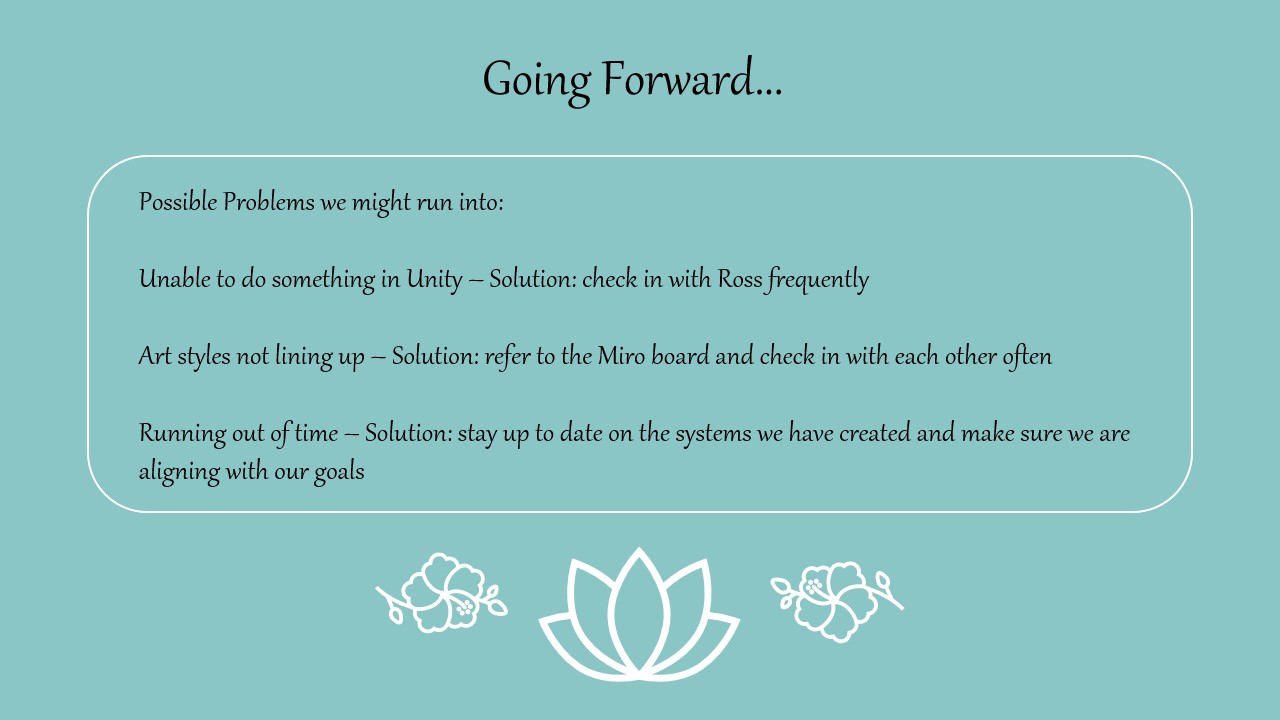
The actual presentation went very well. We took it in turns to speak and and present our slides.
Comments we received –
I really like your artwork – directed at me.
What is you contingency plan for if something goes wrong?
The way our group is set up the are two technical people and two artists as well as the world designer bridging the gap. This way if one person is unable to complete their work the other one in that area can pick up the slack.
Next Steps –
Our next steps as a group are to continue working on are areas. As we have now decided to revert back to the original roles of character artist and environment artist I will begin designing the animals and continue working on the character.
Leave a Reply