The Verdant Trail — Development
Technical Artist / Art Implementation
As the Technical Artist, my role was to translate the project’s visual direction into a practical Unity workflow. I focused on camera validation, pixel-style presentation, scene construction rules, asset readability, and the technical feasibility of the 2.5D visual approach.
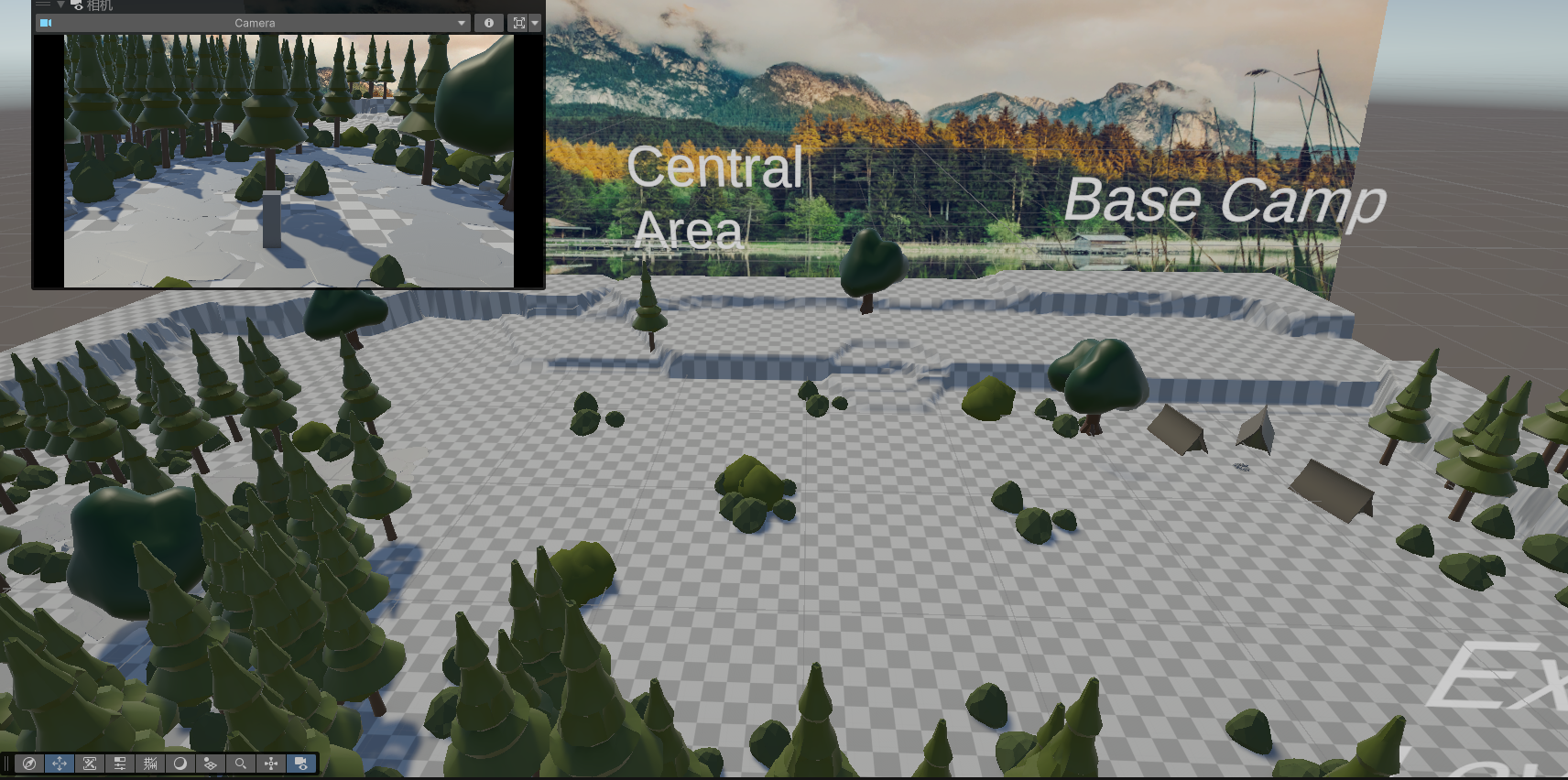
Development Workflow Overview
In the team, my role focused on visual development and art implementation. My responsibilities included map visual design, UI asset design, map assets, 2D pixel character design, basic character animation, pixel art direction, and level design support. I also supported the Technical Artist role by testing whether the visual direction could realistically work inside Unity.
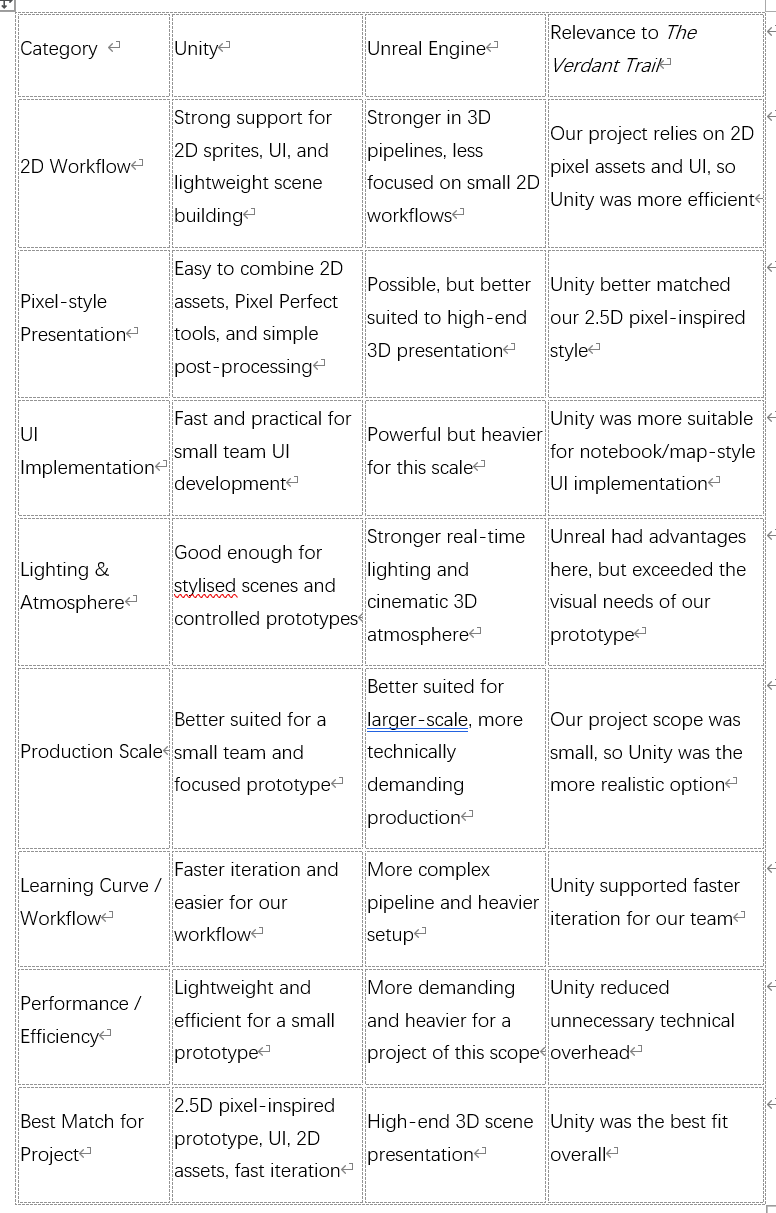
Early Art Direction & Engine Feasibility
At the early stage of development, the team faced a fundamental question: how the visual direction defined in the GDD could be realistically implemented within the technical constraints of a small team project.
The GDD proposed a pixel-based visual style inspired by narrative exploration games. However, the team initially explored several different technical approaches to achieve this aesthetic.
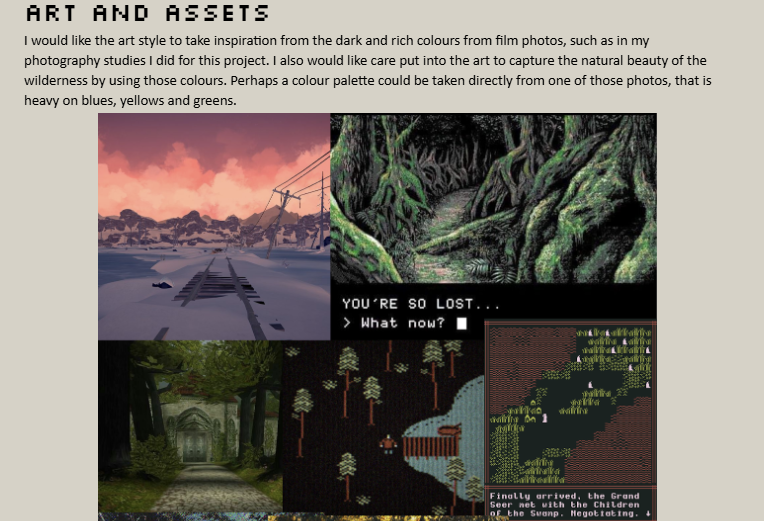
Art Bible & Visual Direction
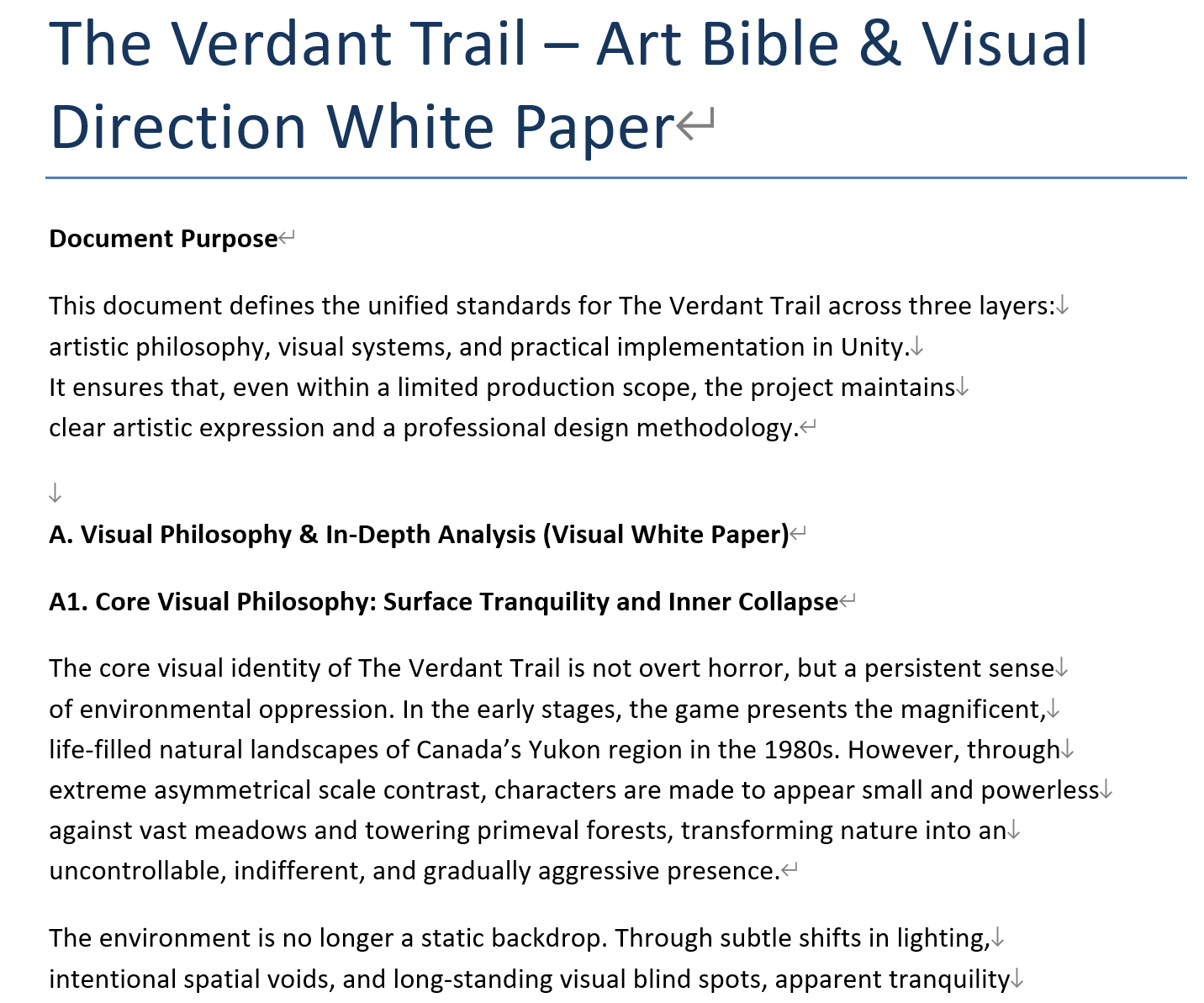
After validating the visual implementation pipeline in Unity, I created the Art Bible & Visual Direction document for the project.
This document formalises the artistic philosophy, visual systems, and technical standards used throughout the production process. It ensures that the entire team follows a consistent visual direction while maintaining compatibility with the established technical pipeline.
Rather than serving purely as a style reference, the Art Bible also functions as a production guideline, defining how environments, characters, and assets should be designed and implemented within the engine.
GDD-Based Asset Planning
Asset production followed a structured planning process derived from the Game Design Document (GDD).
Instead of creating assets in isolation, the team first analyzed the level structure and gameplay requirements, then defined asset categories and production priorities accordingly.
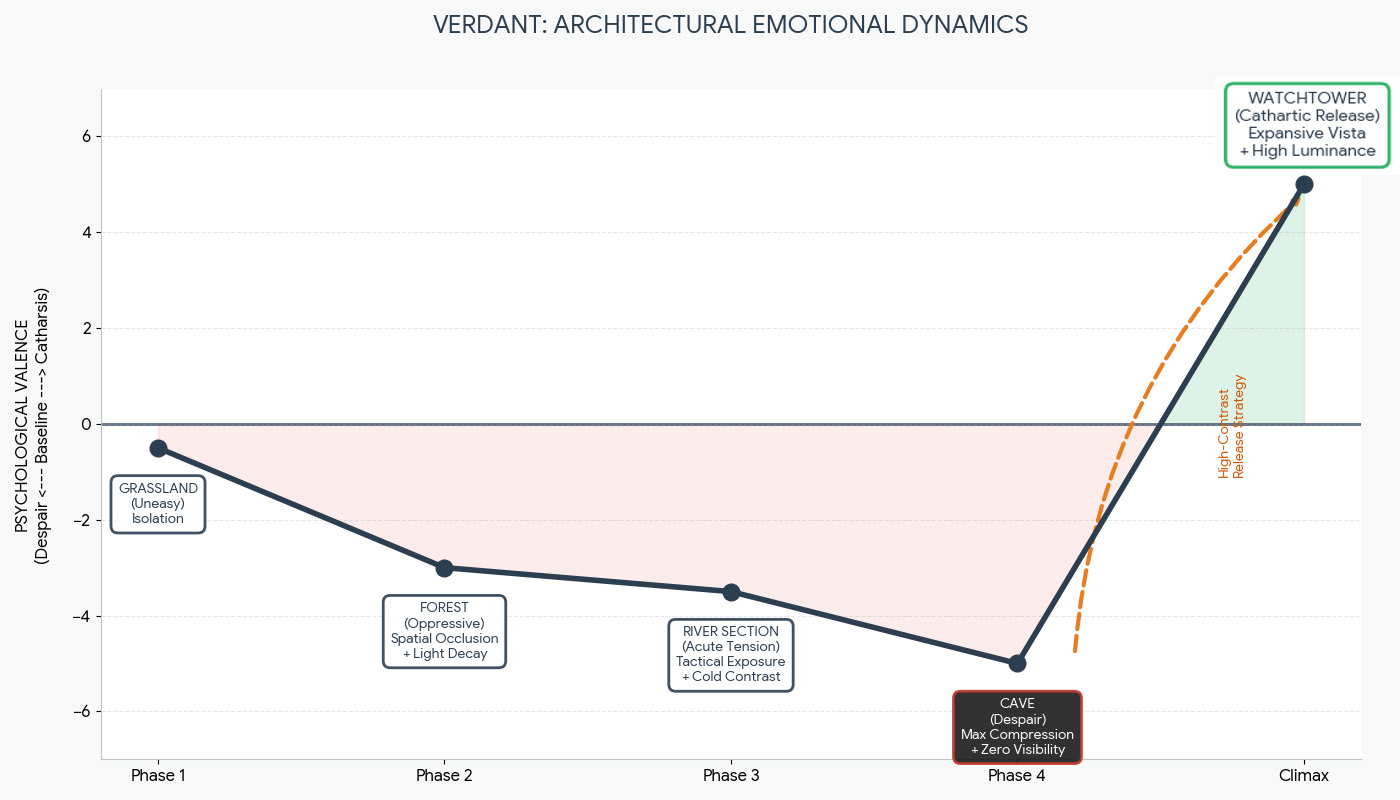
Level Development – Collaborative Iteration
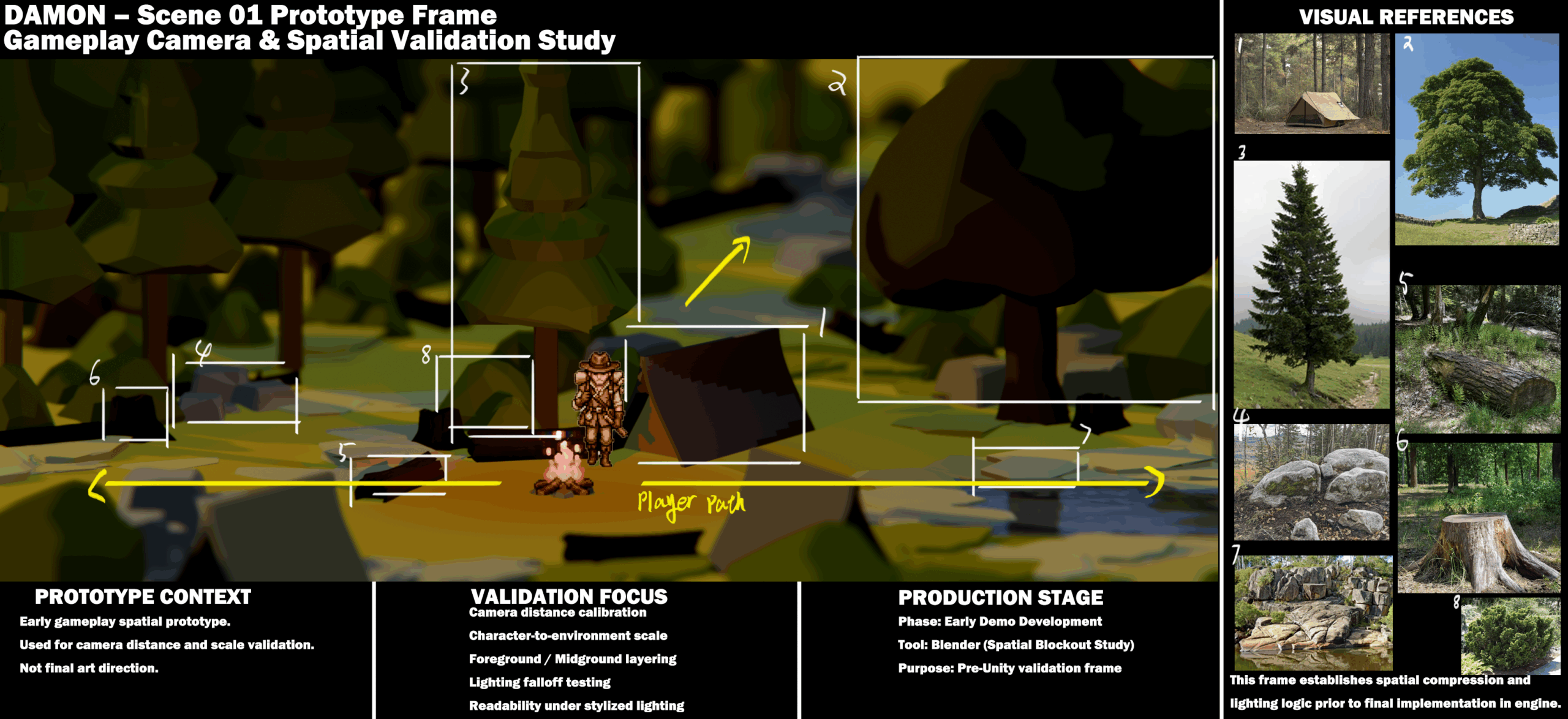
After completing the Art Bible and the Level Breakdown documentation, I created an early level prototype concept frame in Blender to validate the spatial composition of the first playable scene.
This prototype explored several key design elements:
gameplay camera framing
character-to-environment scale
player path direction
environmental asset placement
spatial layering of foreground and background elements
2D Asset & UI Production
uring level development, Kevin established the core gameplay mechanics for the first level based on the design documentation and early layout sketches.
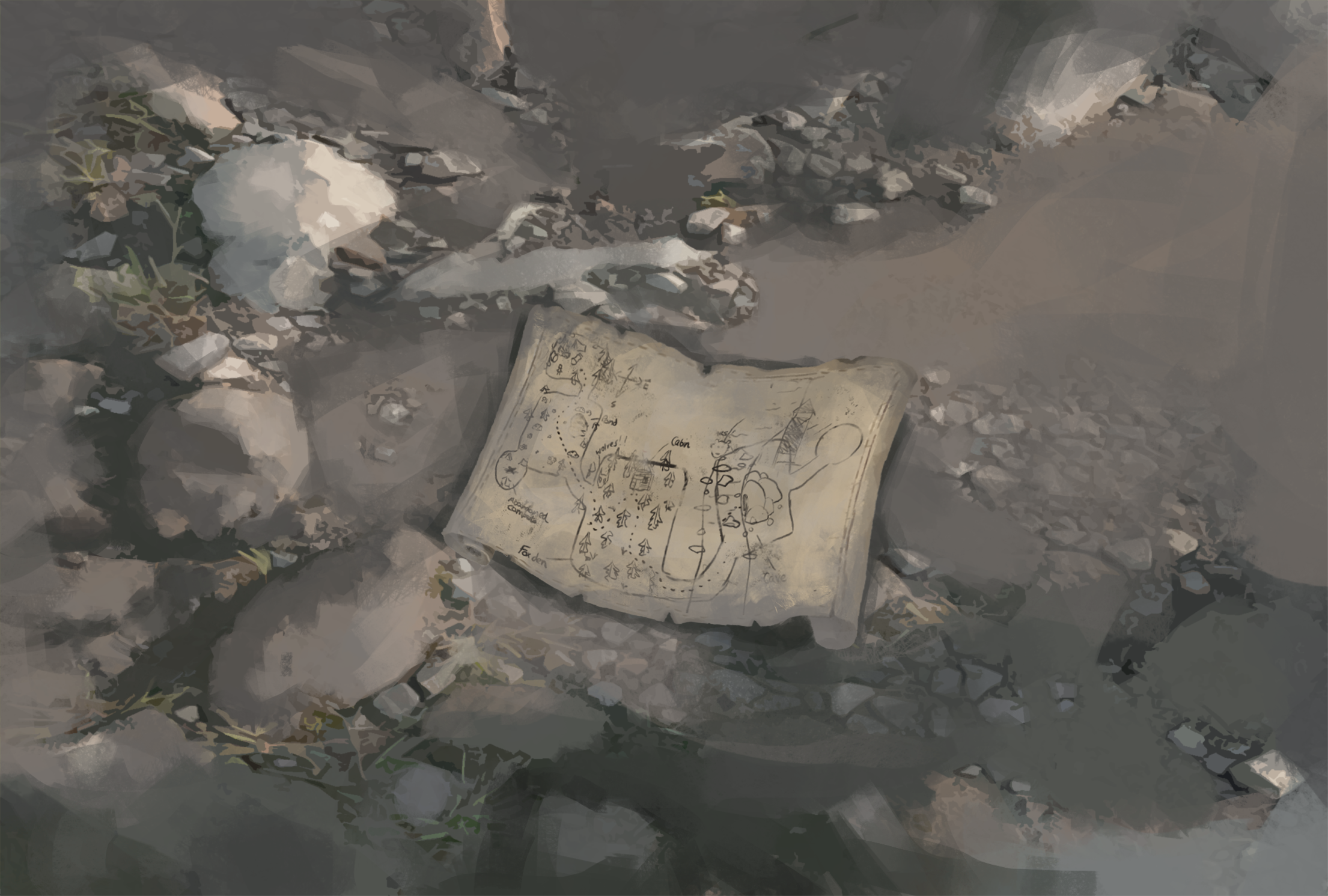
These mechanics introduced several interactive elements within the environment, including collectible items and navigation tools.
To support these gameplay systems, I was responsible for designing the 2D visual assets used for interactive props and player interface elements.
The assets were created in Photoshop, ensuring that their visual style remained consistent with the overall art direction defined in the project’s Art Bible.
Team Feedback & Iteration
This iteration process helped me understand that visual development in a team project is not only about personal style decisions. My initial preference was to push the atmosphere and pixel effect further, but team feedback helped me recognise where the design was becoming unclear for gameplay. Through discussion and adjustment, the map became more structured, the player route became clearer, and the pixel presentation became more readable. This process also showed the value of my role as a visual developer and Technical Artist: my work needed to support both the mood of the forest and the practical needs of level design.
Final Prototype Outcome
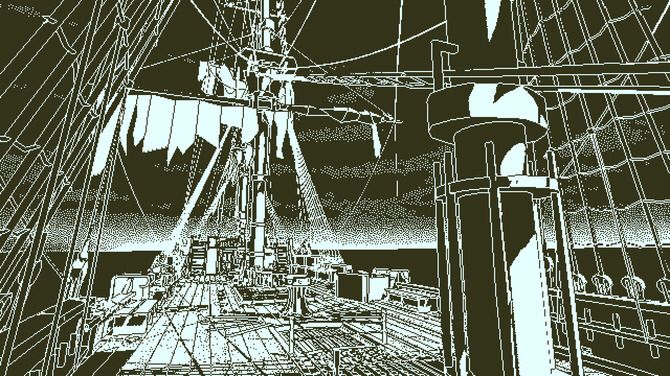
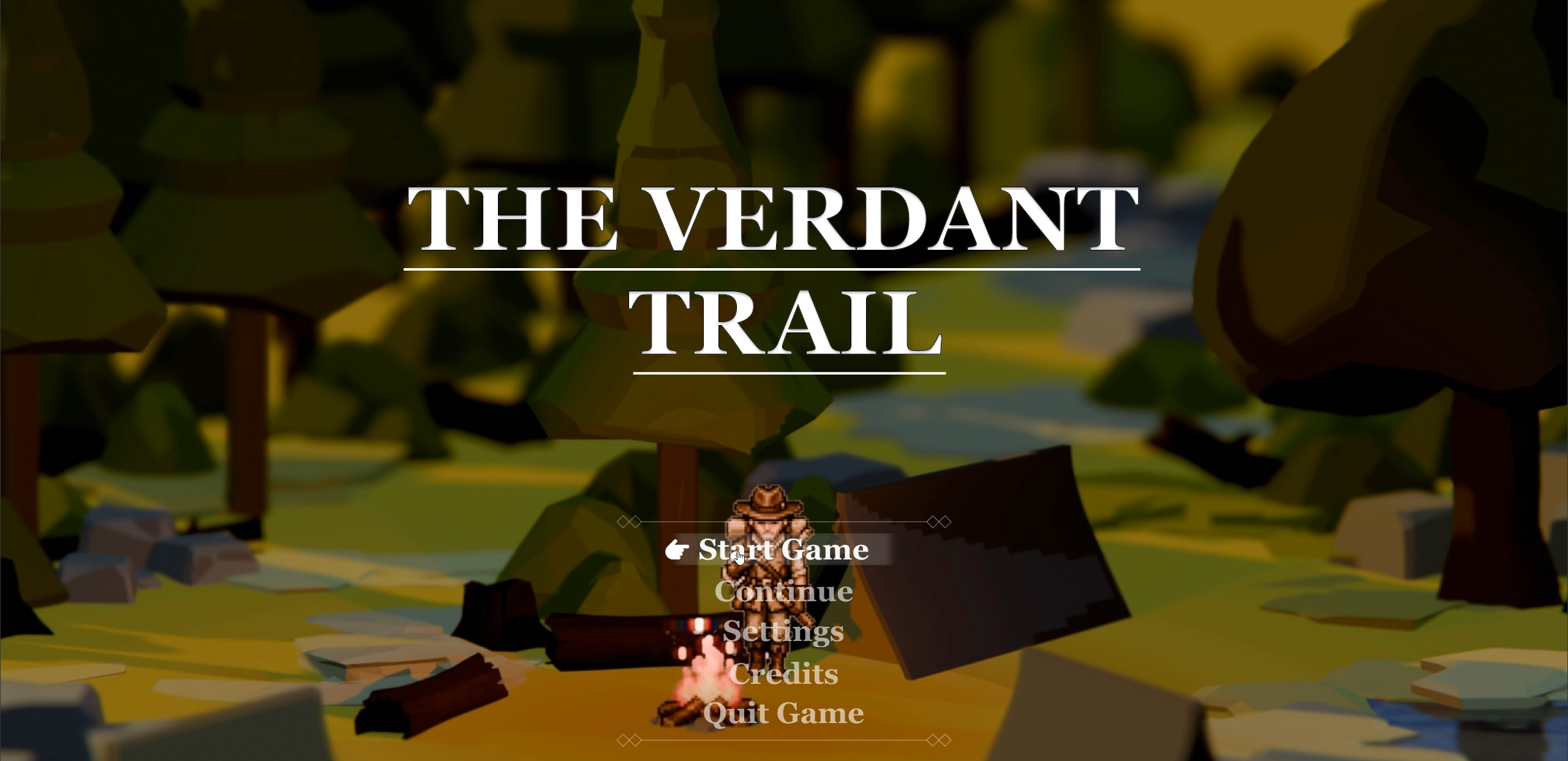
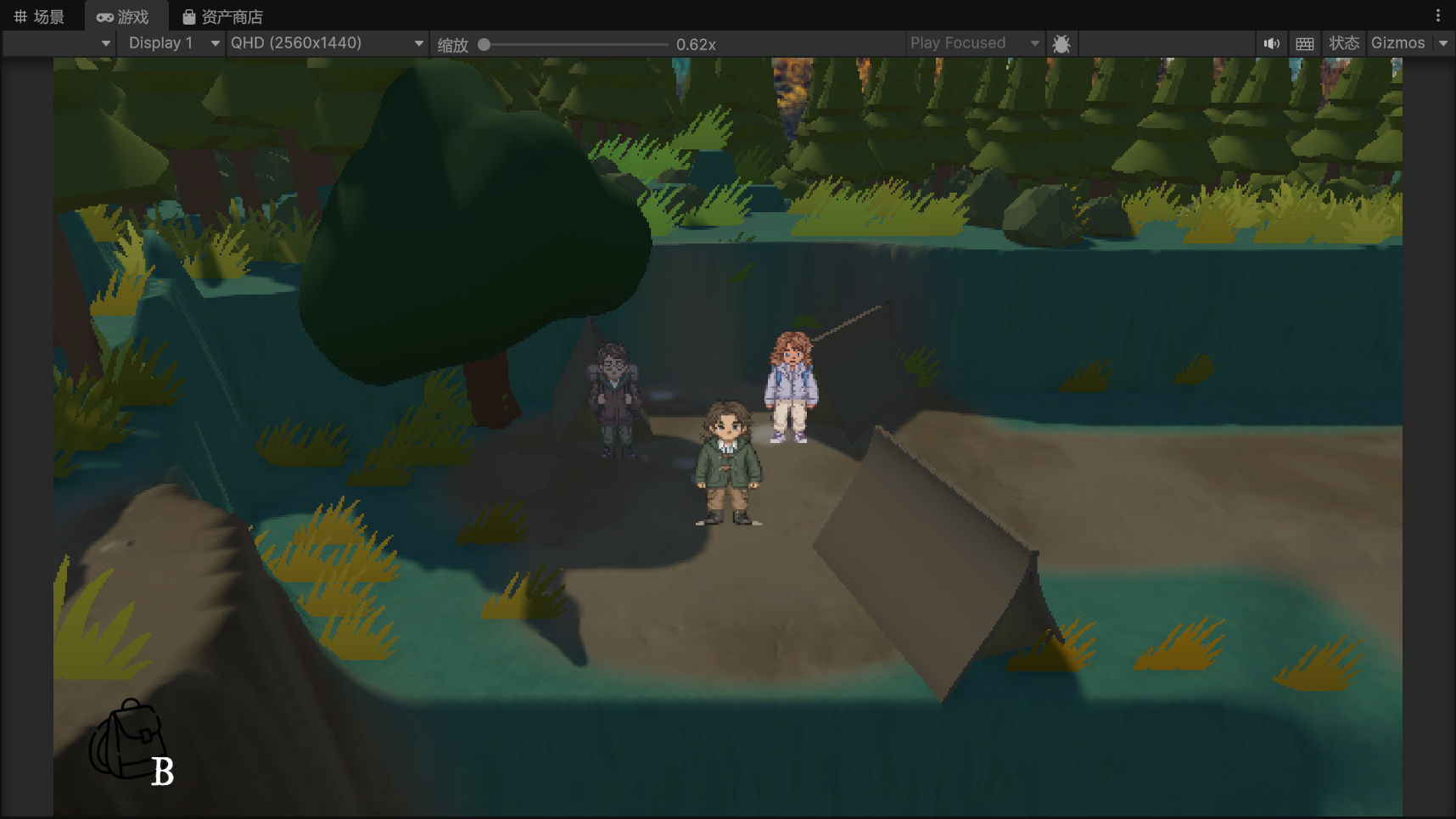
The final outcome of our development process was a focused playable forest prototype rather than a full multi-level game. Because of the project scope and production time, our team decided to concentrate on one main playable environment that could represent the core visual direction, interaction style, UI approach, and level readability of The Verdant Trail. This allowed us to test the most important parts of the project without expanding the production scale too far.
Character Production
used Octopath Traveler as a reference for understanding how pixel characters can remain readable inside a 2.5D environment. Rather than copying its character designs, I focused on what could be learned from its visual method: clear silhouettes, controlled pixel density, readable clothing blocks, and strong separation between character and background.
Team Collaboration and AI Declaration
Although my formal role in the team was Technical Artist, I was also the only member responsible for the visual development of the project. This meant that my work extended beyond technical implementation inside the engine. I also developed the art direction, visual rules, pixel style, UI direction, map assets, character assets, and overall visual consistency for The Verdant Trail.