
The level design and world construction of this project were mainly accomplished by Eric and Jeremy. In the early stages of development, Jeremy was responsible for designing and building the levels based on the game settings and the requirements provided in the GDD.
This involved planning the initial layout, creating different design schemes, and constructing the playable environment to support the core gameplay and atmosphere.
As the project progressed, the design of the level underwent several major revisions, which were based on group discussions and the feedback from the team. In the later stages, Eric was more responsible for the direction of the level design, while Jeremy focused on building and implementing the level in the engine. This workflow enabled the team to optimize the layout, improve the rhythm, and make the level more in line with the final game experience.
Throughout the development process, this level underwent at least three major iterations, with significant changes in its structure, route planning, and environment arrangement. The final outcome was the completion of Level 1 and Level 1.5, which constitute an important part of the final playable version of the project.
First Version & First Playtest
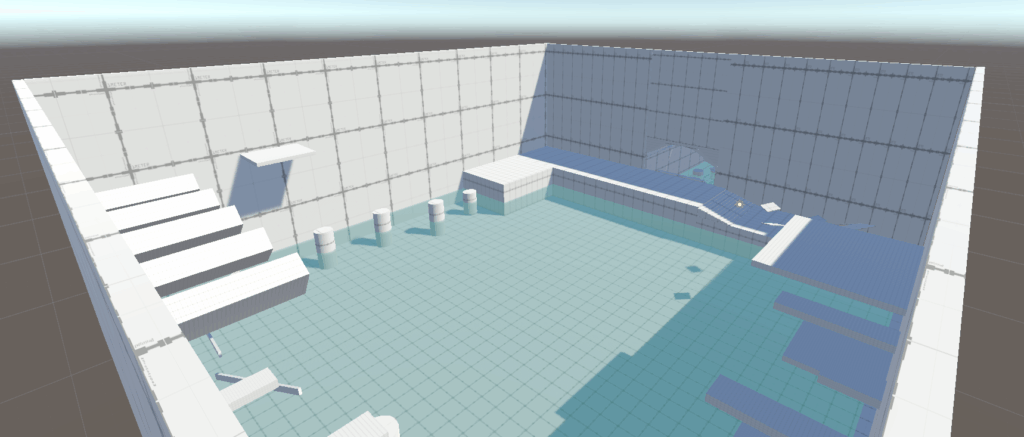
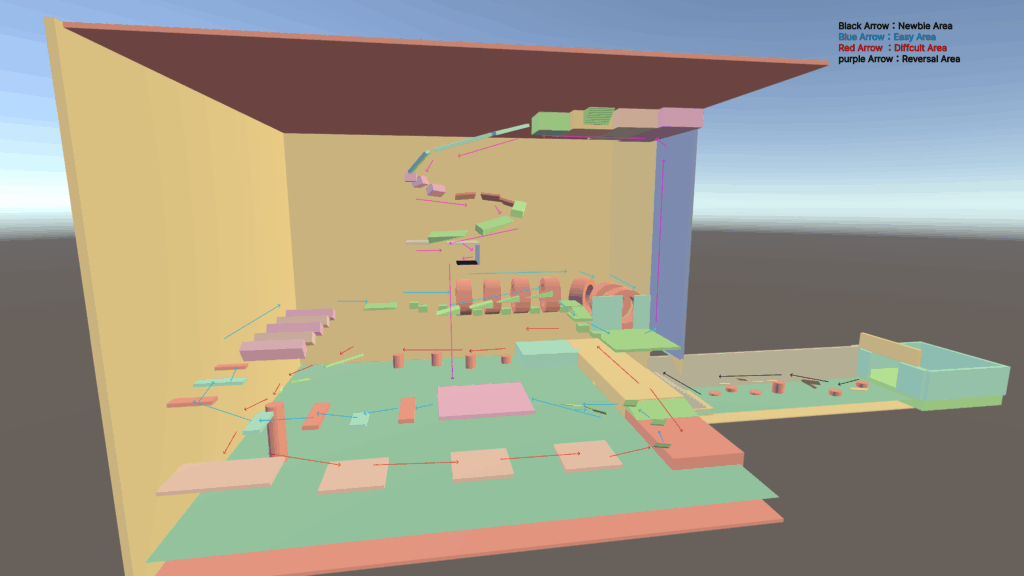
The first version of the level was independently designed by Jeremy. At this stage, there were not enough gameplay mechanics or environmental assets to fully support the puzzle-solving experience. Therefore, the first playtest focused on a simple platforming challenge, using jumping and movement-based gameplay to test whether the player character’s movement, jump distance, and overall controls felt reasonable.
This PDF document was created by Jeremy and focuses on the early level and puzzle design plan. It includes Jeremy’s own concept sketches, map layouts, gameplay mechanic ideas, and related reference videos. The document was used to present and explain the initial design direction of the level and puzzles to the team.
After the first playtest, the result of this level was not ideal. The team felt that the level had moved away from the original direction of the GDD, and the large number of jumping sections did not feel meaningful within the overall gameplay experience. Based on this feedback, Jeremy decided to make a major iteration of the level, redesigning its structure and direction to better match the project’s intended gameplay and world setting.
Second Version & Second Playtest
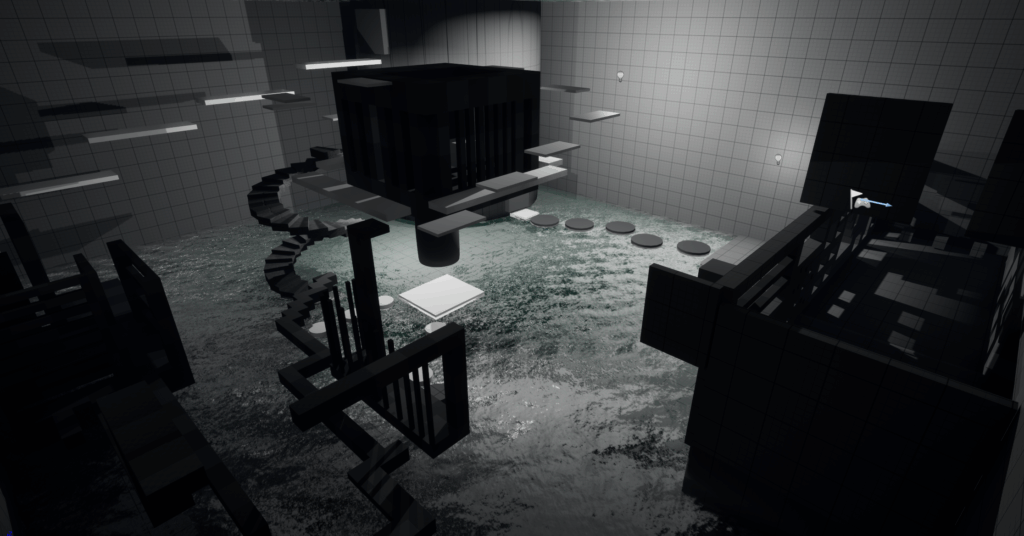
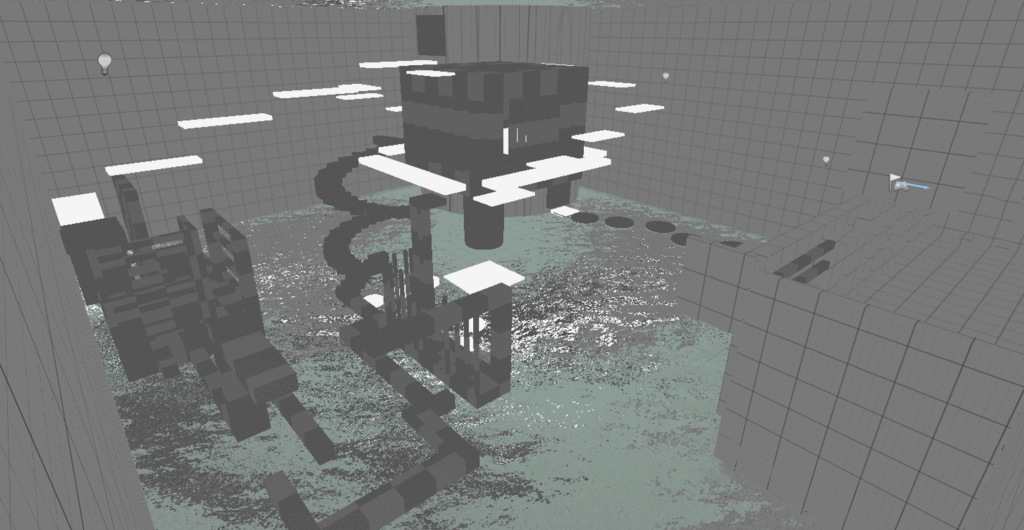
The second version of the level was rebuilt by Jeremy in around one week after the first version was discarded. Jeremy continued to lead the design of this version, taking inspiration from hub-style and interconnected level structures found in games such as Resident Evil and Elden Ring. This version focused more on linear puzzle-solving and was also adjusted to include the climbing mechanic created by the mechanics designer, with several areas requiring the player to use climbing in order to progress.
To make sure the rest of the team could understand the level structure and design logic clearly, Jeremy also created a level explanation document for this version. This document explained the intended player route, puzzle flow, key mechanics, and the purpose of different areas, helping the team review and discuss the design more effectively.
After presenting this version to the team, the group felt that the design still needed to be closer to the project’s intended direction. Therefore, the level design workflow was changed: Erik took over the main design direction, while Jeremy became responsible for implementing Erik’s ideas in the game engine.
Third Version & Final Playtest
After reviewing Erik’s design document, clay model, and the results of team discussions, Jeremy once again rebuilt the level from the second version and created a new playable environment. This became the third version of the level. By this stage, the level had gone through three major iterations, as well as many smaller adjustments and refinements throughout development.
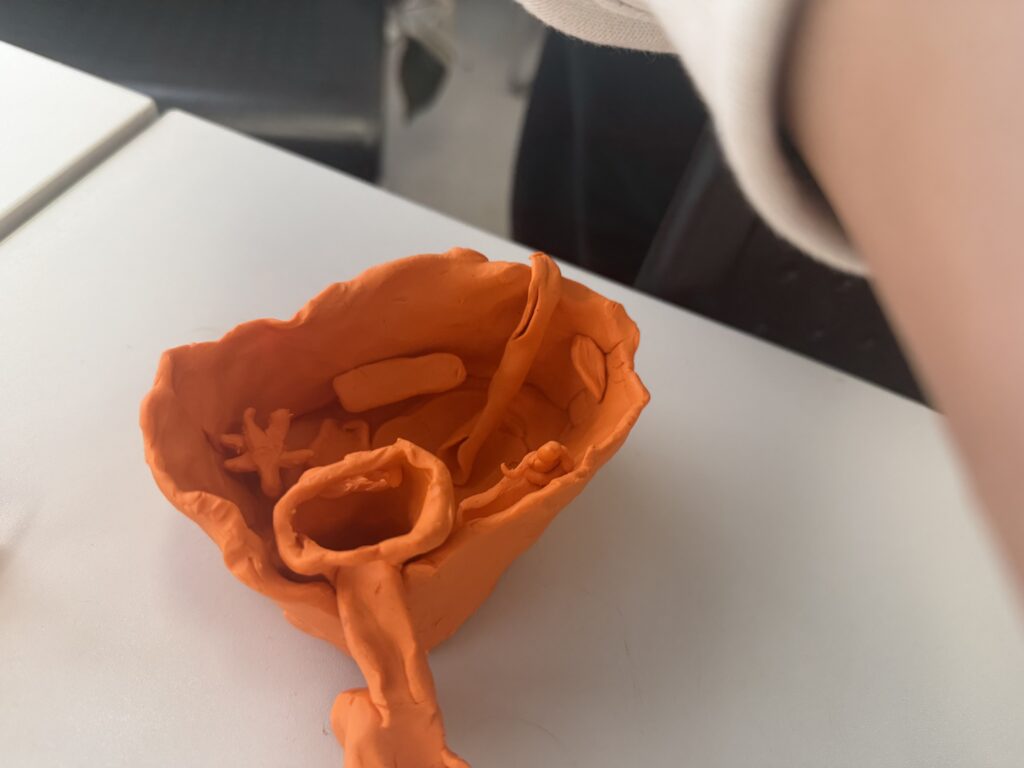
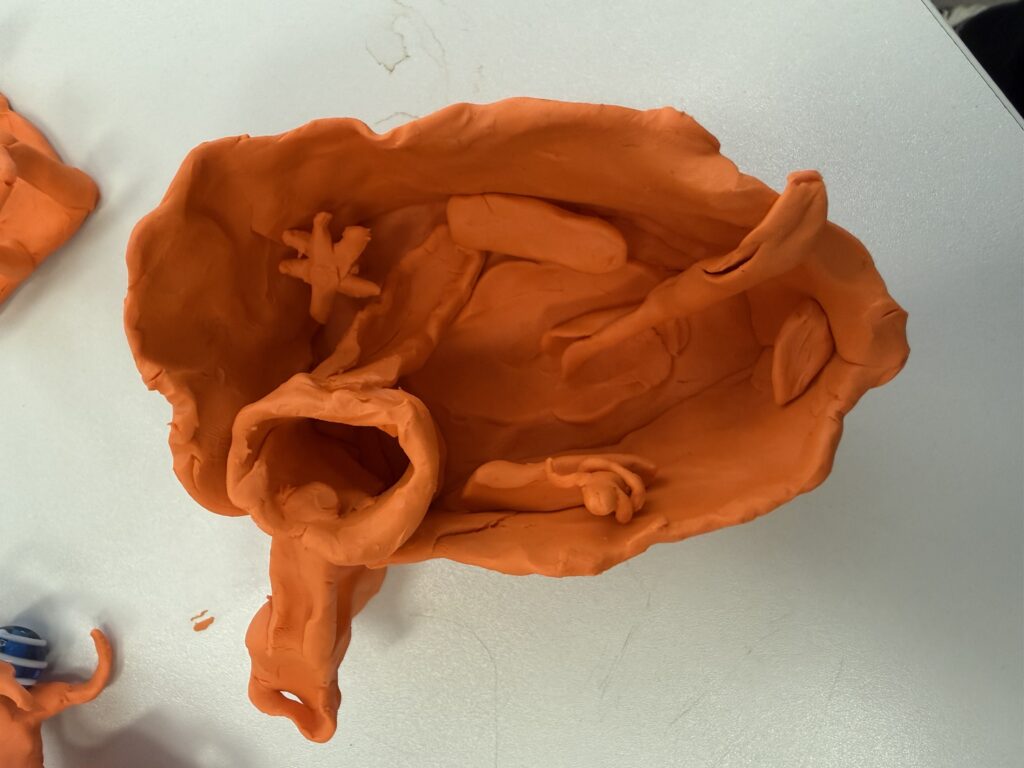
Based on Erik’s design direction, the final level was divided into Level 1 and Level 1.5. Level 1 focused on climbing and platforming challenges, requiring the player to collect three key items in order to unlock the door to Level 1.5. Level 1.5 was designed to have a more distinctive atmosphere and included a jigsaw-style puzzle as one of its main gameplay elements.
After understanding these requirements, Jeremy spent around two weeks building the final level in the game engine. During this process, he communicated with teammates from different roles, joined group discussions, made several smaller iterations, and integrated the climbing mechanic, puzzle mechanic, and item collection system into the map. This completed the final version of Level 1 and Level 1.5 for the playable project.
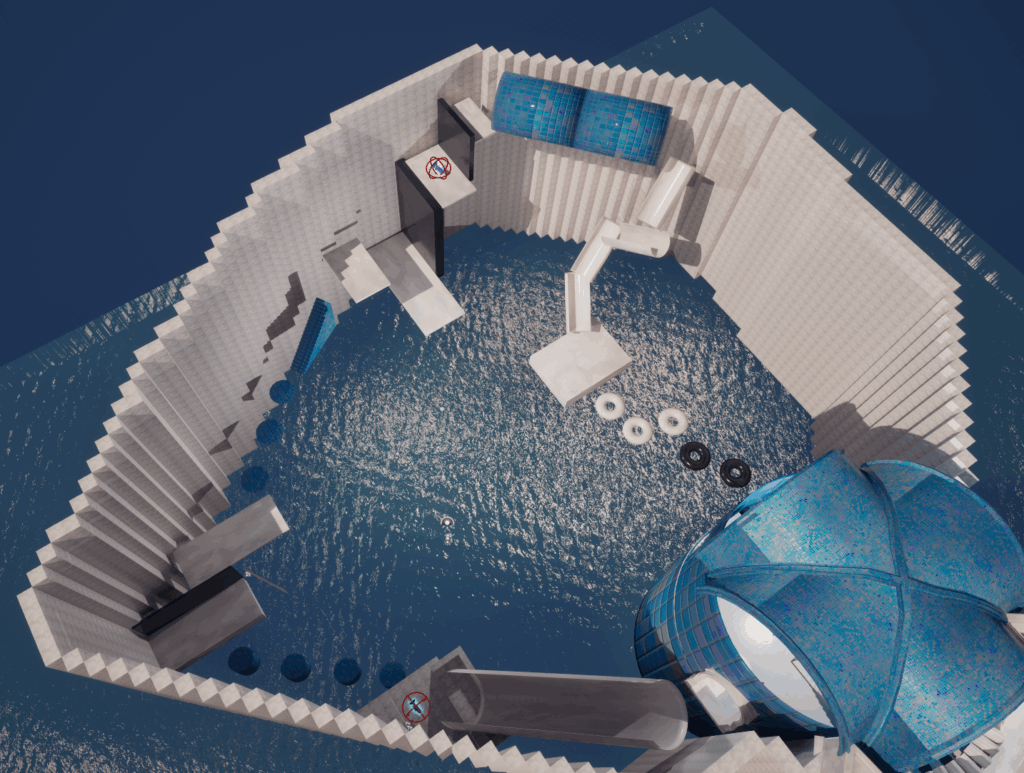
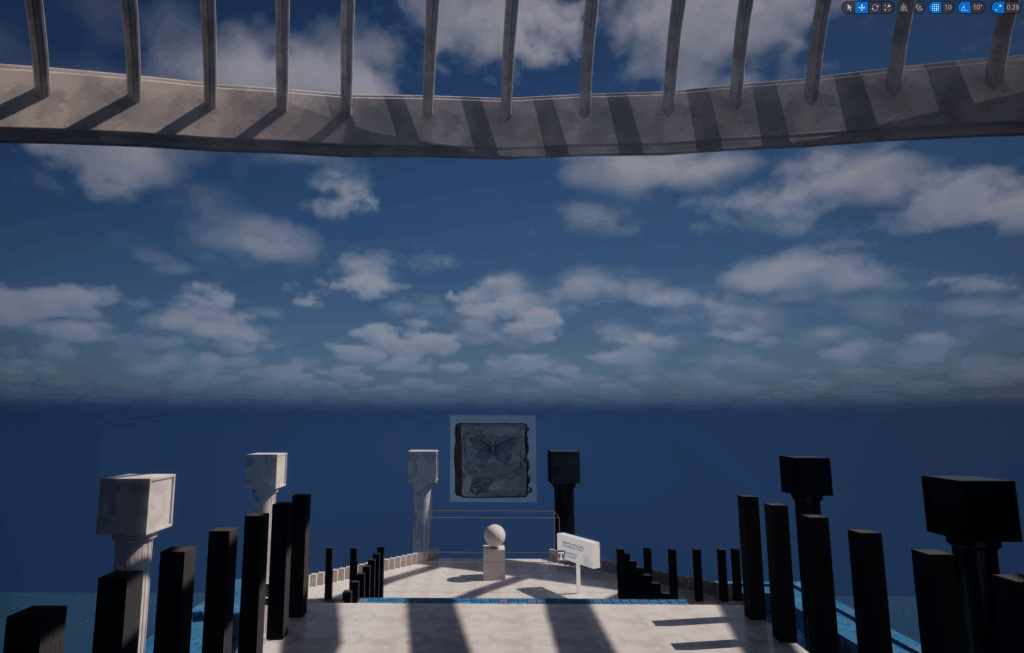
LEVEL 1 and LEVEL 1.5
The final version of the level demo video
Level Design Summary
The level design of this project underwent three major iterations. Initially, Jeremy independently designed and produced the first version based on the game design document (GDD), but the first playtest indicated that this level did not fully align with the project’s direction. Subsequently, Jeremy rebuilt the second version, adding more puzzle elements and adjusting the level to accommodate the climbing mechanism.
After further feedback from the team, Erik took over the main design direction of the level, while Jeremy focused on building and implementing the level in the game engine. Based on Erik’s design documents, clay models, and team discussions, Jeremy re-created the final version as Level 1 and Level 1.5. Level 1 focuses on climbing, jumping, and collecting three key items, while Level 1.5 includes more distinctive environments and a puzzle-solving challenge.
In the final playtest, many tutors and classmates gave positive feedback on the level design, creative ideas, environmental style, and overall artistic direction of the game.
This section was written by Jeremy. For more details about the project iterations and level design process, please visit Jeremy’s blog.