Initial Idea
I want to make a game that combines simulation game play with a text-based game, so the player can experience the story while also doing some simulation-based activities. I finally chose bar tending as the main theme because I really like a game called VA-11 HALL-A: Cyberpunk Bartender Action.
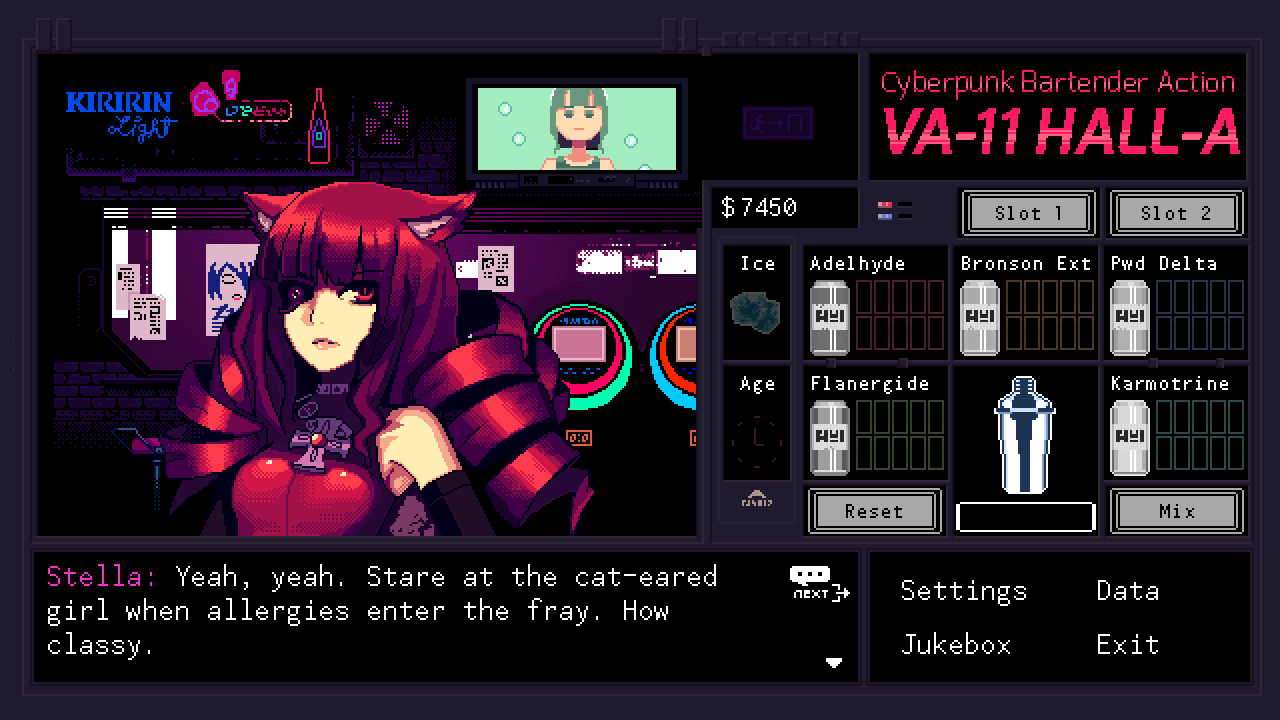
VA-11 HALL-A combines bartending simulation and text-based storytelling very well, which is one of the reasons why I like the game. But in my game, I want the player’s choices to have a more obvious impact.
Research and Thinking
Different choices in bartending and the story will affect what happens later, so the player can clearly see how their choices change the game.
I decided to start my research with real bartenders. I searched for some well-known bartenders to learn about their experiences, their work and somethings bartenders may face in real life. This can help me develop the bartender character and story in my game.
While searching, I found the backgrounds of these two bartenders quite interesting.
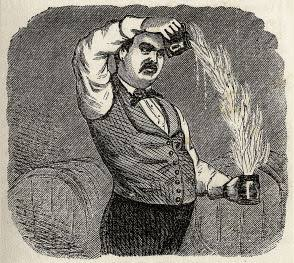
Jerry Thomas was also known as “The Professor.” He worked in bars across the United States and became well known for his flashy bartending performances and dramatic way of making drinks.
In 1862, he published Bar-Tender’s Guide, which is considered one of the earliest cocktail guides and included many cocktail recipes.
One of his most famous drinks was the Blue Blazer, a whisky-based drink. The most special part of this drink was the use of fire during the making process, turning bartending into a kind of performance.
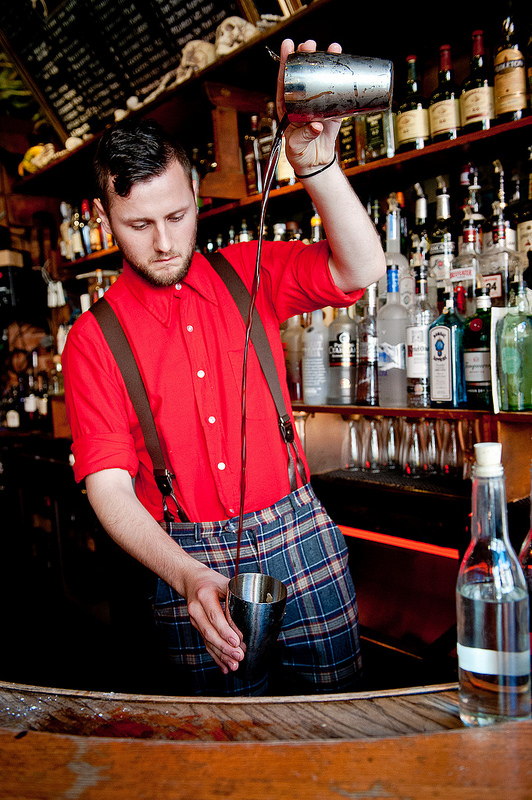
Jack McGarry is the co-founder of the well-known New York bar The Dead Rabbit. He became successful in the bartending industry at a young age and won International Bartender of the Year at 23.
Long-term work pressure, nightlife, and the drinking environment led to serious problems with alcohol. After 2016, he became sober and gradually moved from bartending into bar management.
After becoming sober, he also began to focus on mental health and alcohol addiction in the bar industry and promoted non-alcoholic and low-alcohol drinks.
While researching the experiences of different bartenders, I noticed that alcohol-related problems seem to be an issue worth looking at in this industry. Bartenders work around alcohol for long periods of time, and factors such as night shifts, work pressure, and drinking culture may make some people more likely to develop unhealthy drinking habits. So I want to include some of these ideas in my game.
Some of the player’s choices may change the bartender’s condition and affect what happens later in the story.
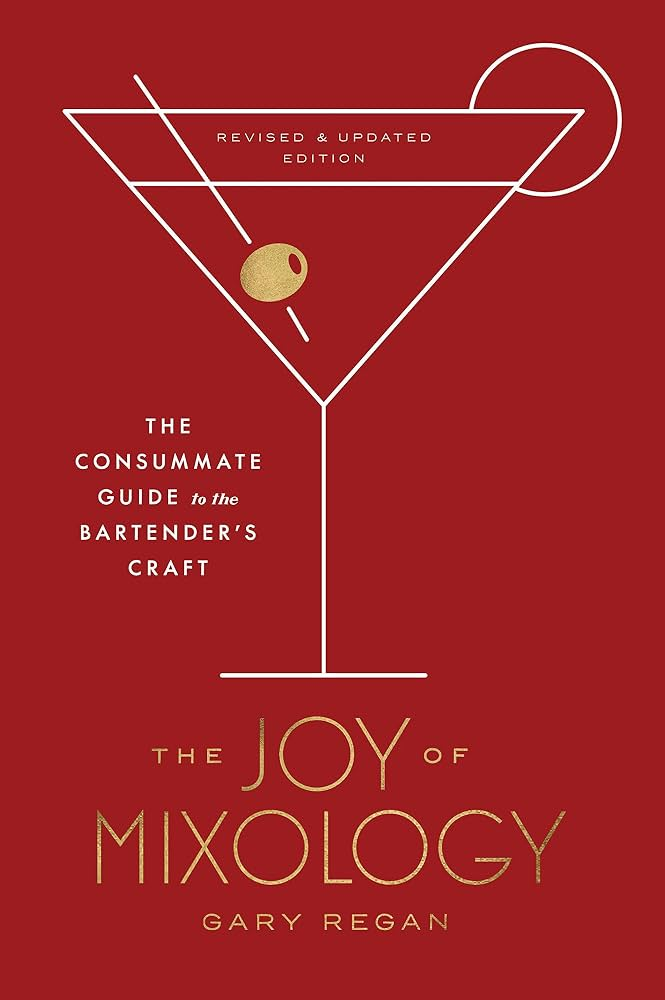
Besides researching the theme and style of my game, I also looked through some books about bartending and cocktail recipes to learn about different ingredients and how drinks are made. I wanted to get more inspiration from real cocktail recipes and use them as references when designing the bartending gameplay and recipes in my game.
Research and Thinking – Story Setting
The game is set in a makeup world similar to the 1860 in the real world. The player is a bartender who has lost their memory. Every day, the player meets different customers, makes drinks for them, and talks with them. During these conversations, the player slowly learns about the customers’ stories and secrets, while also finding information about their own past
Like this:
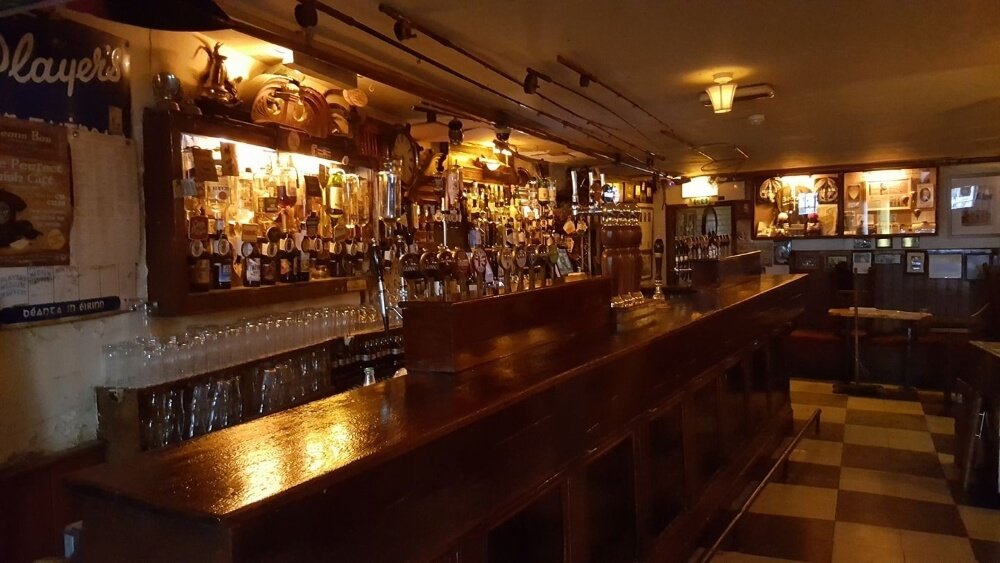
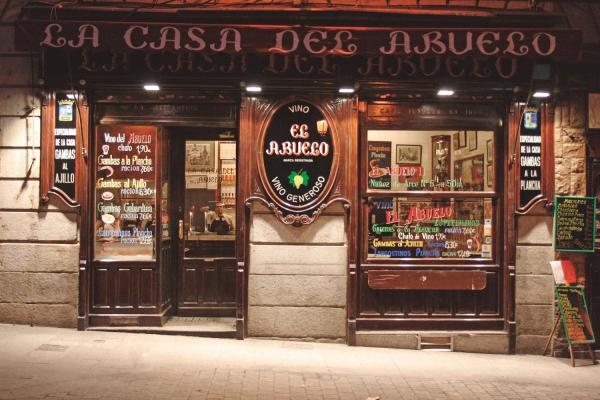
The story is set in the 1860s and draws upon the authentic cocktail culture of that era.
A key figure serving as a reference is Jerry Thomas. Known as “The Professor,” he was celebrated for his theatrical bartending style and published a seminal early guide to mixology in 1862.
His life story, the bar culture of the time, and spectacular drinks like the “Blue Blazer” all serve as inspiration for the game’s world and the bartender profession.
Game research
I also looked into more bartending simulation and narrative-driven games to find inspiration. I mainly focused on how these games designed their gameplay, developed their stories, and allowed player choices to affect the experience. These references also helped me think about how I could further improve my own game.
These are the three games I researched and used as references :
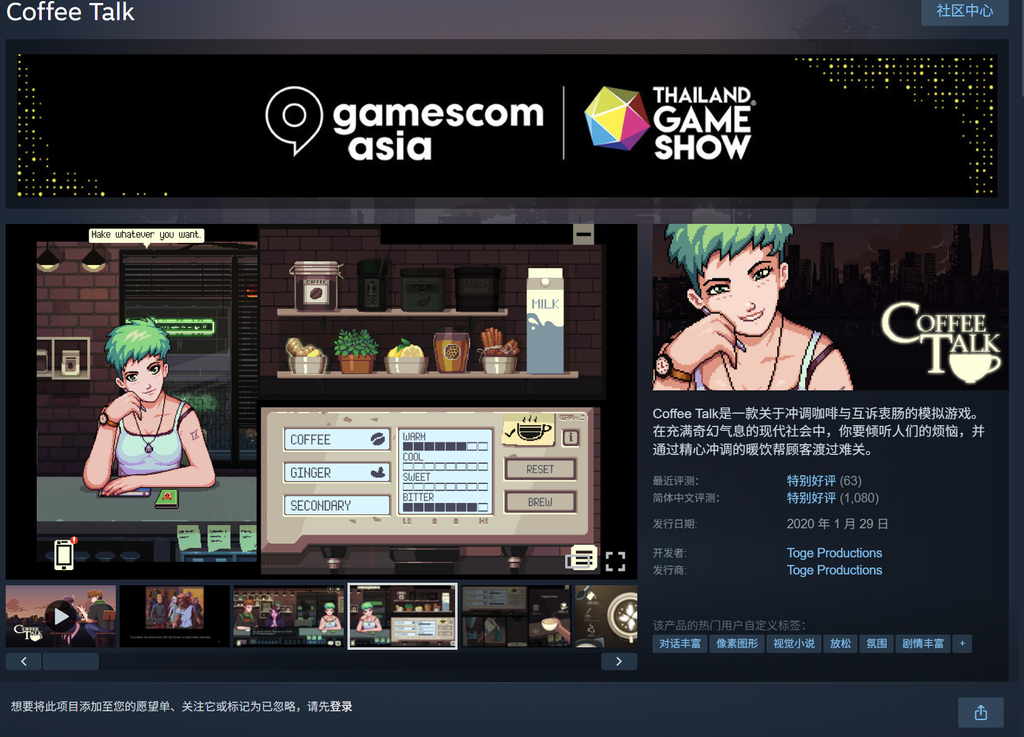
This is a narrative-driven game set in a late-night café. The story takes place in a modern-day Seattle where humans, elves, orcs, and other races coexist. Players take on the role of the café owner, preparing drinks for patrons and listening to them discuss topics such as work, relationships, family, and identity.
The gameplay alternates between reading through conversations and crafting beverages. Players experiment with various ingredient combinations to fulfill customers’ requests—and the drinks they serve may even shape the course of the characters’ stories. With its pixel-art aesthetic, rainy atmosphere, and soothing music, the café serves as an inviting space to linger.
I really like the idea of customers gradually becoming familiar to the player through repeated visits. As customers return to the bar, players can slowly learn more about their personalities, preferences and stories through conversations. I want to include this in my own game, so that the relationships between the player and customers can develop over time, rather than having each customer appear only once.
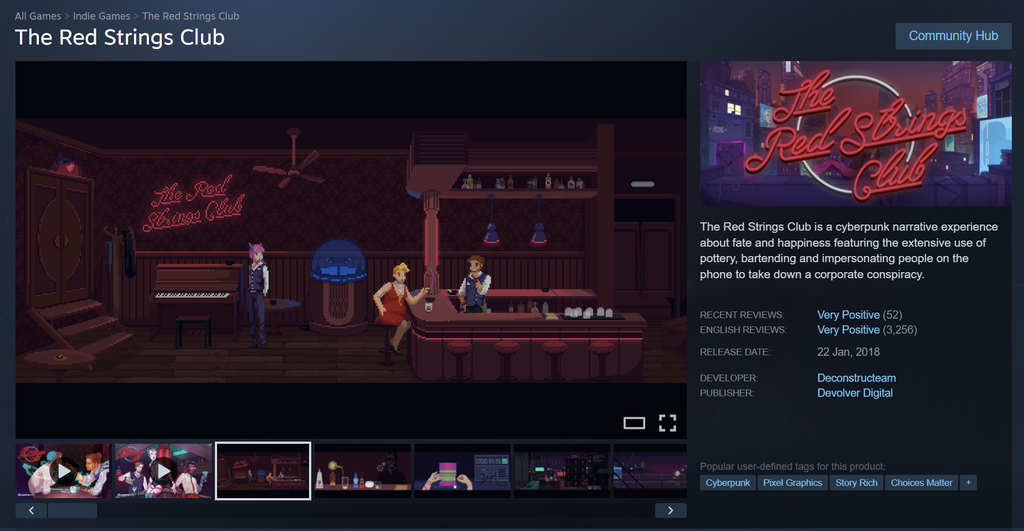
This is a narrative adventure game set in a cyberpunk world. A corporation is preparing to launch a system designed to eliminate human depression, anger, and fear. Donovan, a bartender, and his associates suspect that this promised happiness might actually entail the loss of personal freedom—so they set out to investigate the scheme.
Mixing drinks is a core gameplay mechanic: players observe their customers’ moods, craft cocktails tailored to evoke specific emotions, and then pose questions to gather information. The game also features segments involving the creation of cybernetic implants and the use of phone-based identity deception. The entire story revolves around a single question: if suffering could be completely eradicated, would individuals still retain the right to choose how they live their lives?
I really like how bartending and dialogue are closely connected. By making drinks, players are also taking part in the story. They can observe customers' emotions and reactions to decide what kind of drinks to make, while different drink choices can affect the following conversations. I want to include this idea in my own game, so that bartending is not just a separate minigame, but an important part of how the story develops.
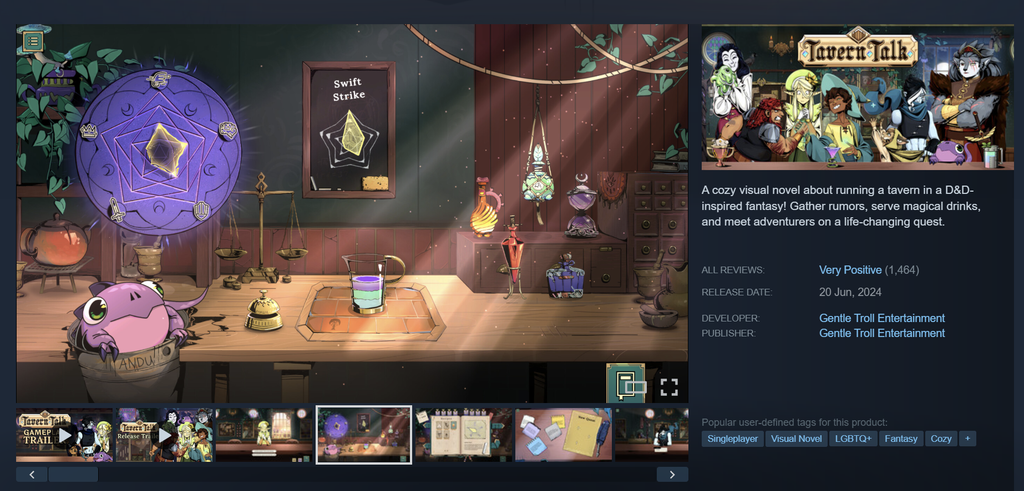
This is a fantasy visual novel inspired by Dungeons & Dragons. Players run a tavern that caters to adventurers, serving them magical drinks, listening to their tales, and gathering rumors through conversation.
Beyond mixing drinks, players can piece together the rumors they’ve collected to form quests, which they then assign to the adventurers. Since the drinks can influence how these adventurers approach their quests, players remain connected to the events unfolding in the outside world—even while staying within the confines of the tavern.
I really like the idea of getting to know different people through the bar and gradually learning about the game world through their stories.
I think this feeling of discovering stories also connects well with the main character's memory loss. While learning about the customers' pasts, players are also slowly uncovering their own missing memories. This helps connect the story with the gameplay and encourages players to explore more of the narrative.
UI Design
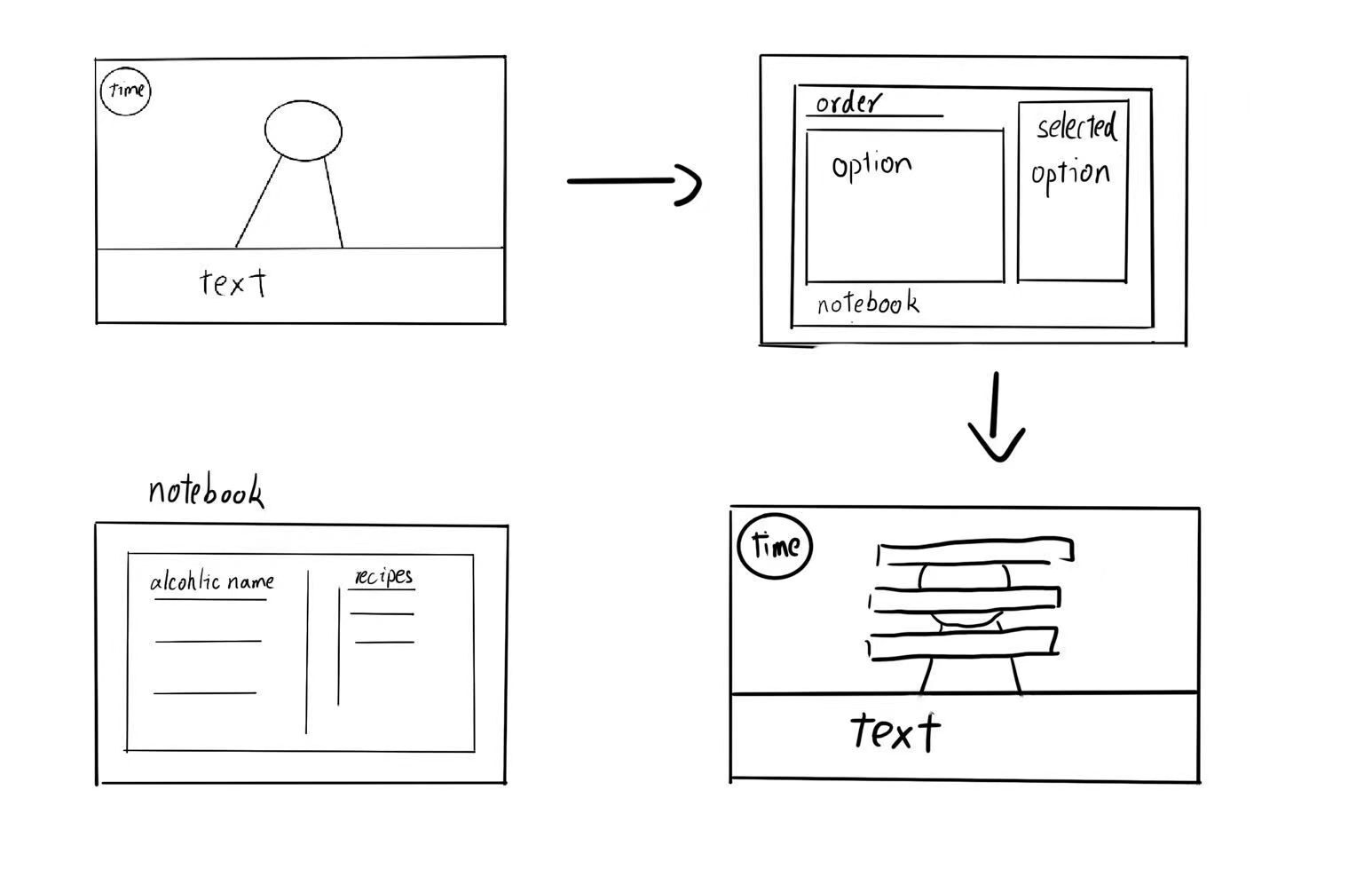
The main game play is: customers will not always directly tell the player which drink they want. Sometimes, they will only describe their mood or what they need, and the player needs to decide what drink to make. Different drinks may lead to different reactions and later conversations. Of course, the player can also completely ignore the customer’s request and make whatever they want. It is entirely up to the player.
For my initial plan, I want the UI to look something like this:
Use of AI Tools
Google translate
Youdao translate