GAMES DESIGN / WEEK 04
01 Game Design Document lecture
This week’s lecture continued from last week’s discussion on pitch deck and GDD; a strong game concept must not only be engaging, but also clearly articulable, feasible to develop, and capable of being completed within a set time frame.
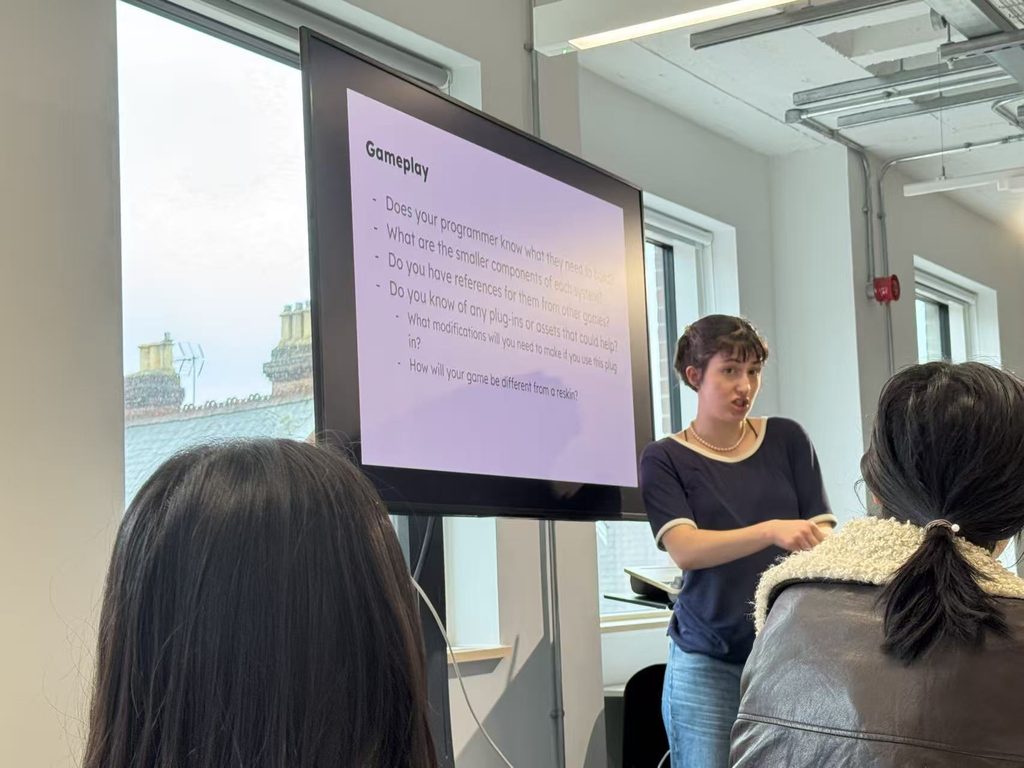
Pitch Decks and GDDs have different purposes. A Pitch Deck is used to introduce a game and convince others to support the project, while a GDD explains how the game should be designed and developed.
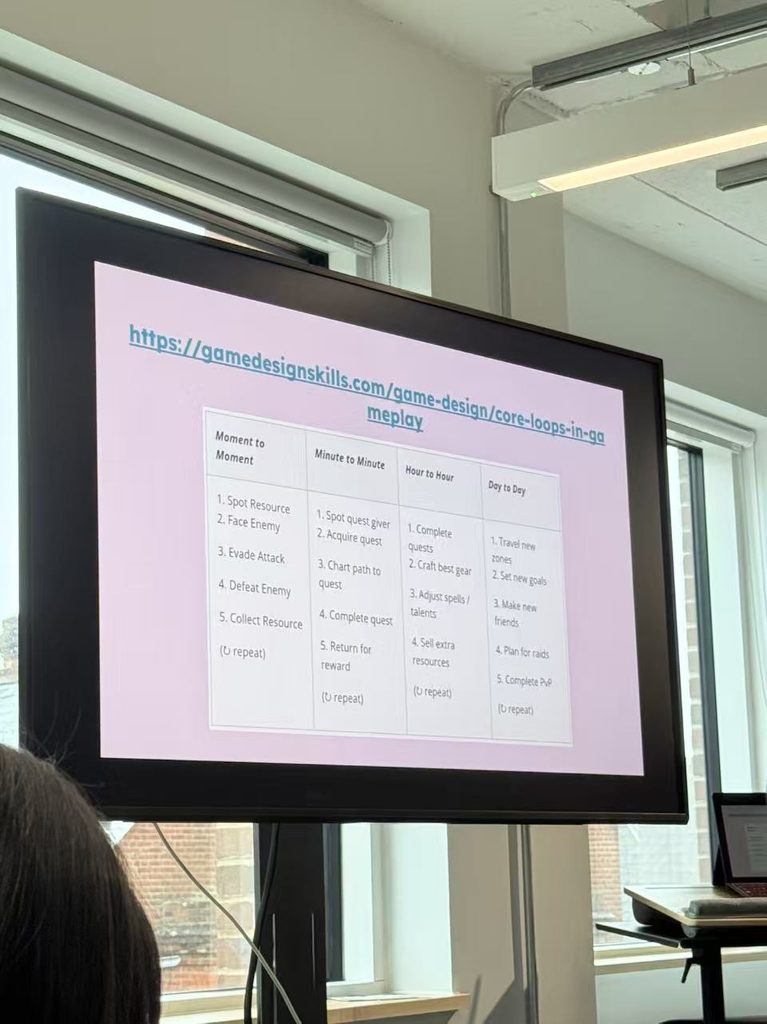
The lecture also highlighted the importance of explaining gameplay clearly. Instead of only describing the genre, we need to explain what players actually do, how they interact with the game, and what makes it interesting. The Gameplay Loop is a key part of this. It shows the player’s actions as a complete process and explains how each step connects to the next.
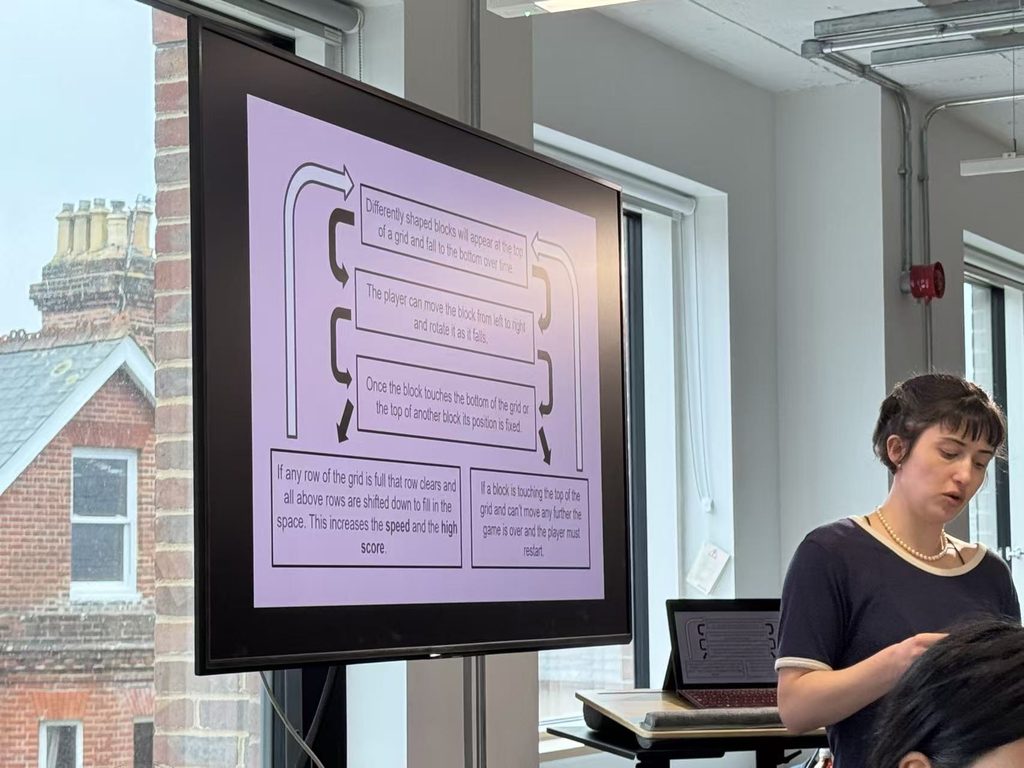
Another important point was that the story and game play should work together. The story can motivate players to continue playing, but it should also connect to what they actually do in the game.
The development plan needs to be realistic. This means breaking features down into smaller tasks, estimating how much time they will take, and deciding what can be simplified or removed if there is not enough time.
In-class Assignment
Students were asked to work in groups of 2–3, choose a game from the options provided by the lecturer, and create a Gameplay Loop Diagram for it. Each group then presented their diagram to the rest of the class, who had to guess which game it represented based on the gameplay loop.
Our group was assigned Hide and Seek.
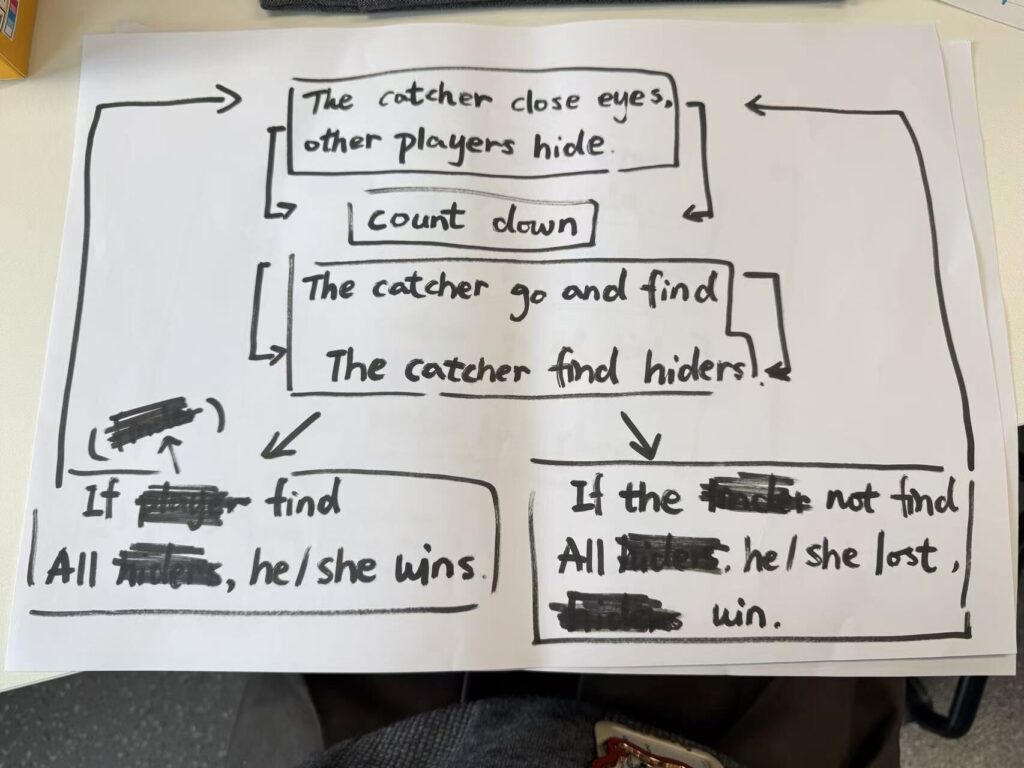
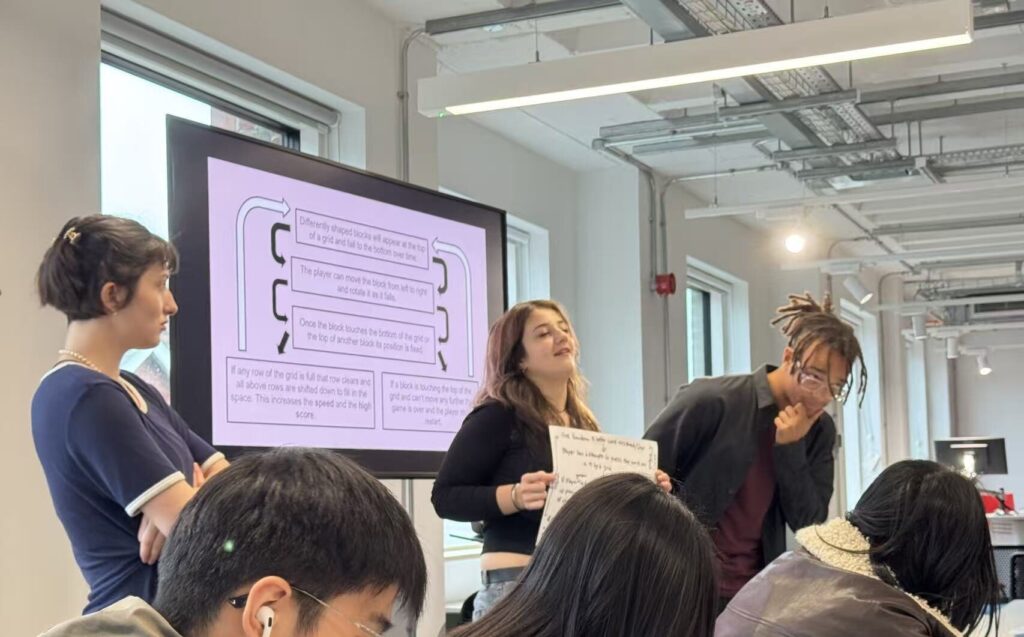
I realized that making the diagram look nice is not the most important thing. What matters more is using a clear process to explain how the game works and how each step connects to the next.
02 World game design carve
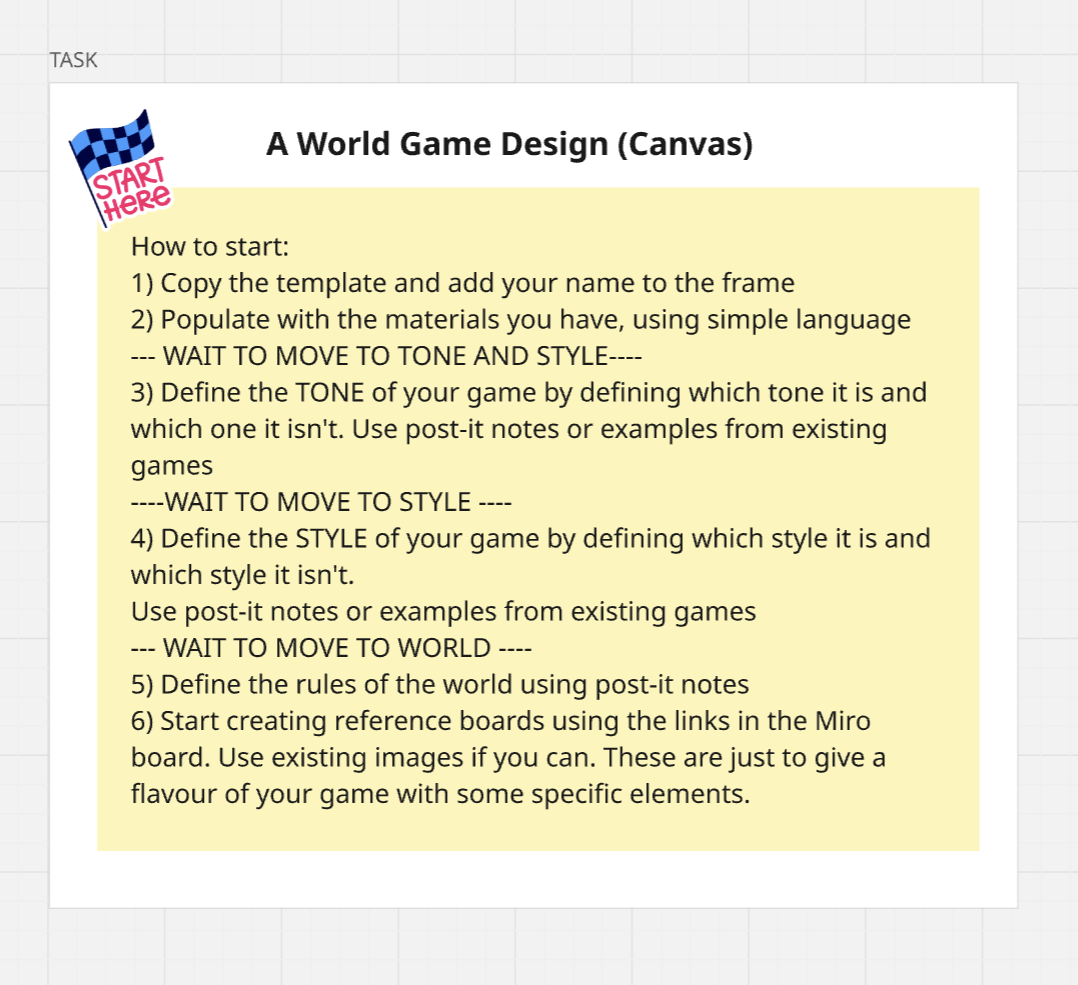
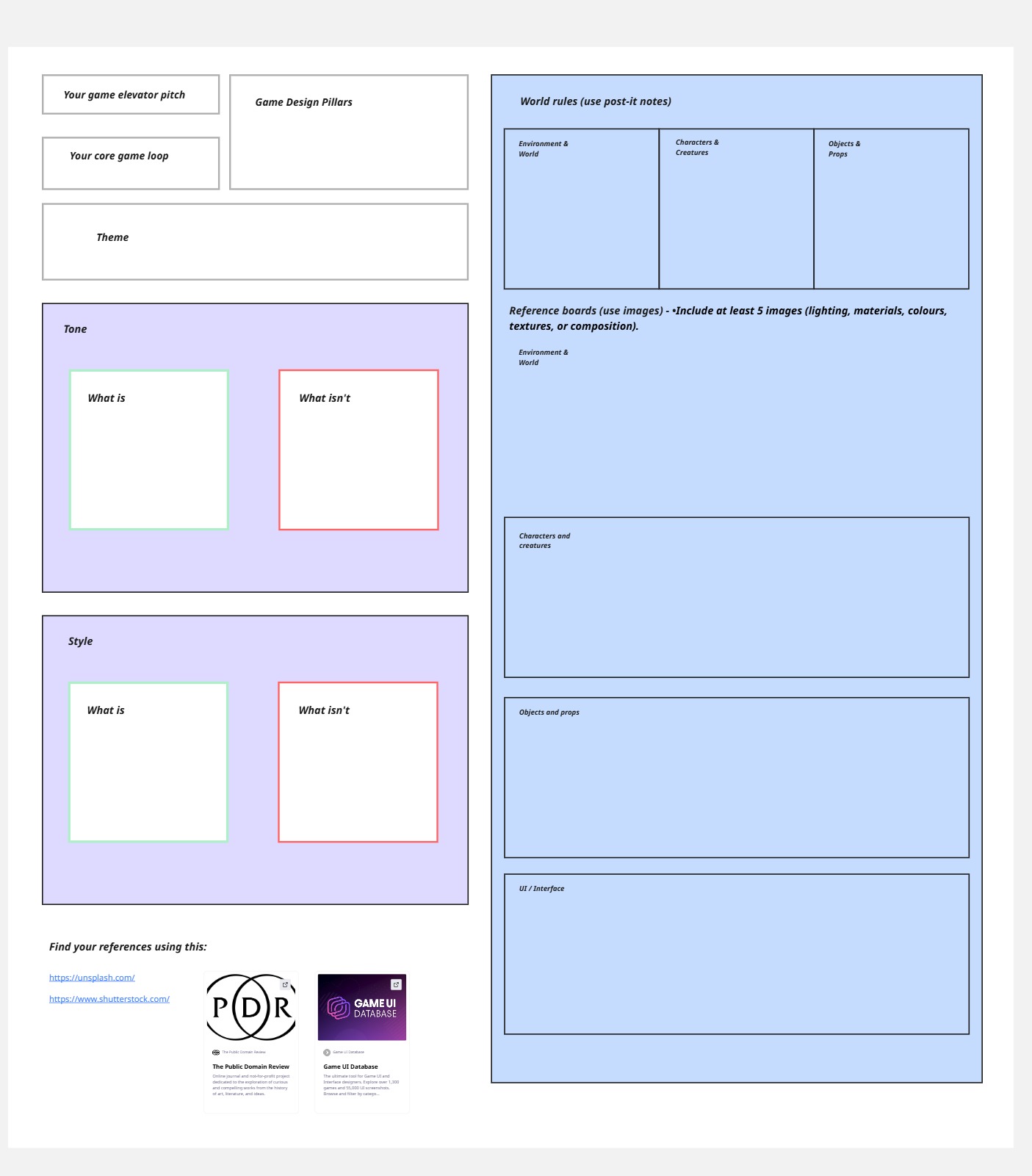
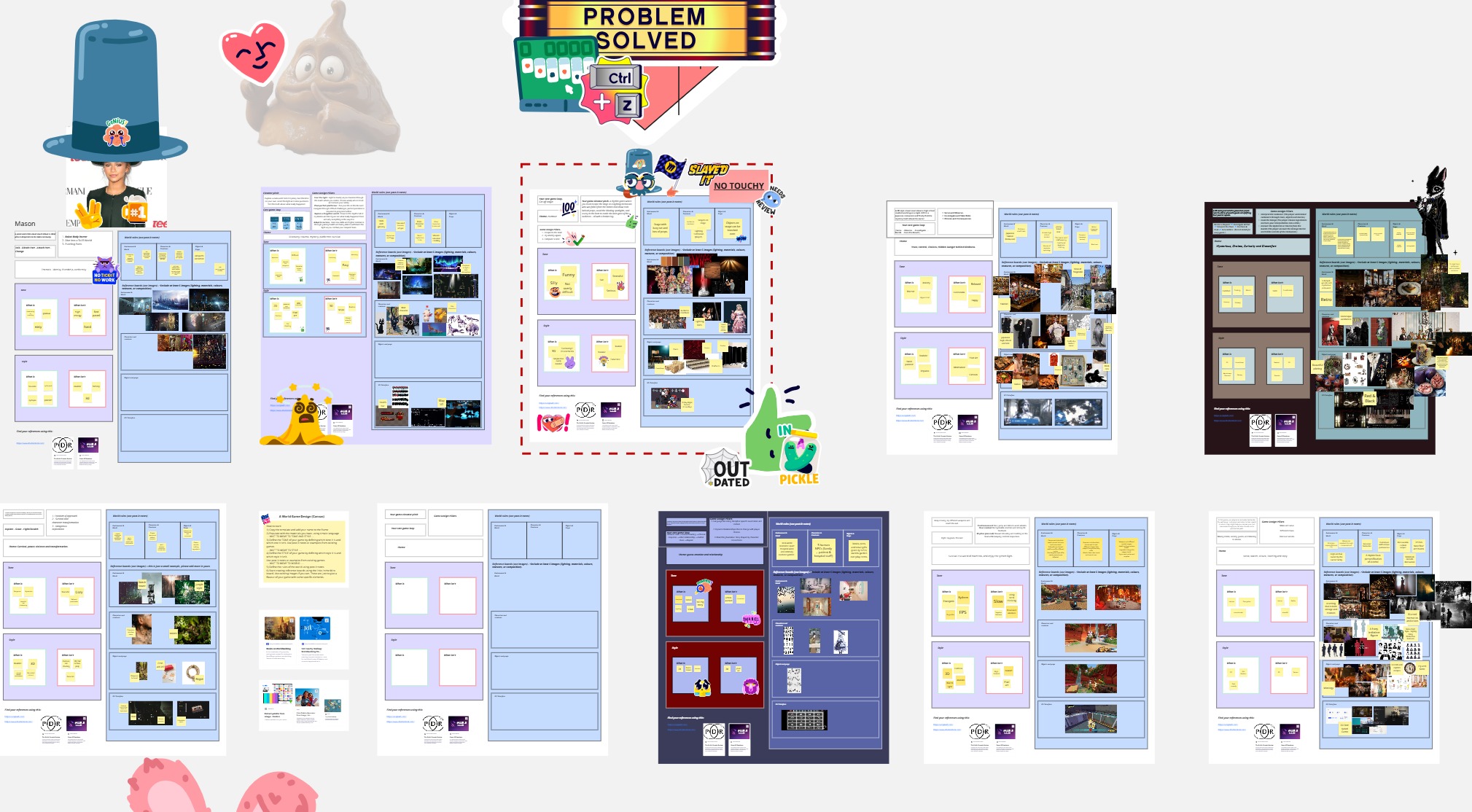
We worked on a World Game Design Canvas.
This is helped us organise our game ideas by focusing on the tone, visual style and rules of the game world. We started with the ideas we already had, then used keywords, sticky notes and reference images to explore what kind of atmosphere and style we wanted for our game, as well as what would not fit.
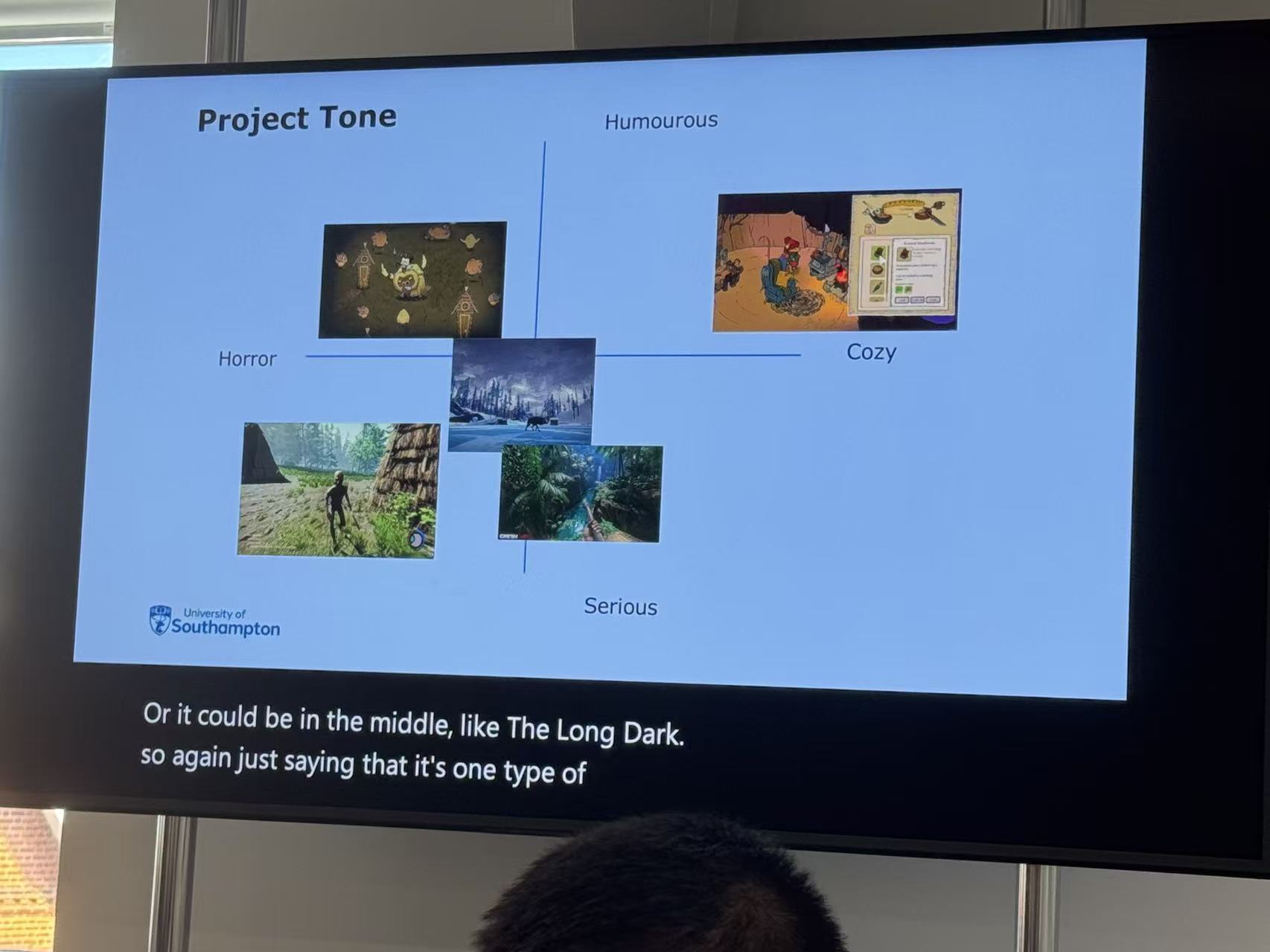
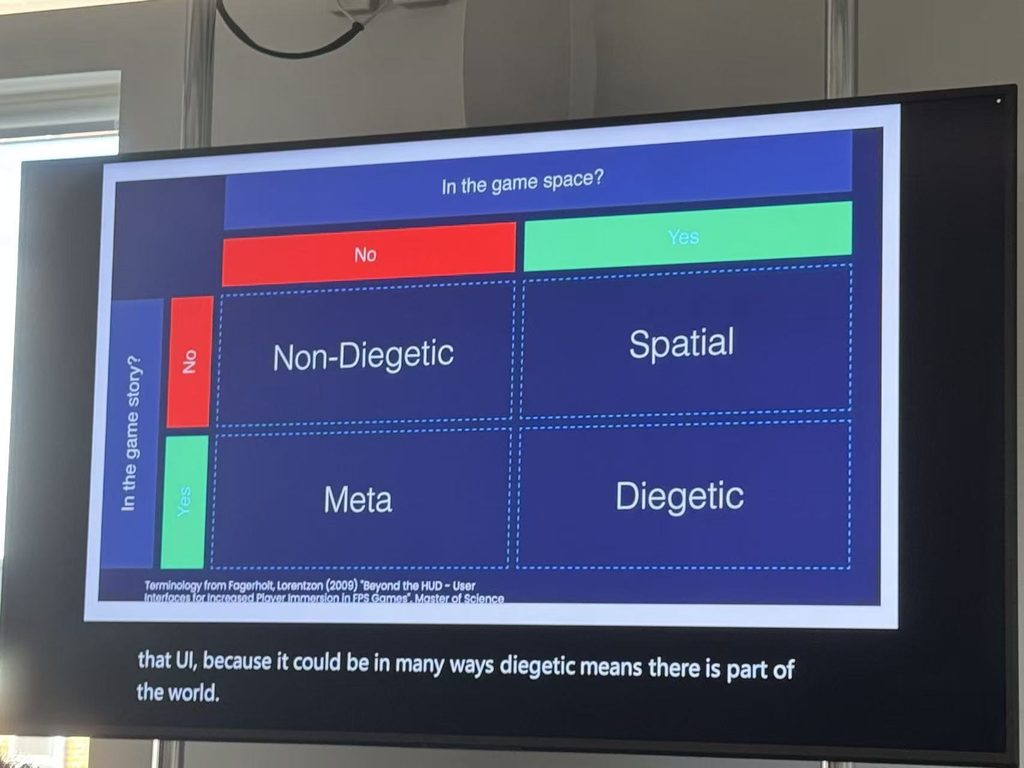
After a brief introduction to the World Game Design Canvas and how to use it, we started working on our own canvases.
My work

03 Prototype crits
Unfortunately, I couldn’t attend the prototype presentation in person because I was ill. However, I continued working on my game based on the lecturer’s suggestions.

My game is mainly narrative-driven, I will follow the lecturer’s advice and focus on showing the core narrative loop and gameplay in my prototype, rather than spending too much time explaining the full story.
To better record and organise my ideas, I used a document to write down the game’s story, including character dialogue, different choices players can make, and how these choices lead to different reactions and story branches. This helps me see how the story develops more clearly and makes it easier to add the dialogue and branches into the game later.
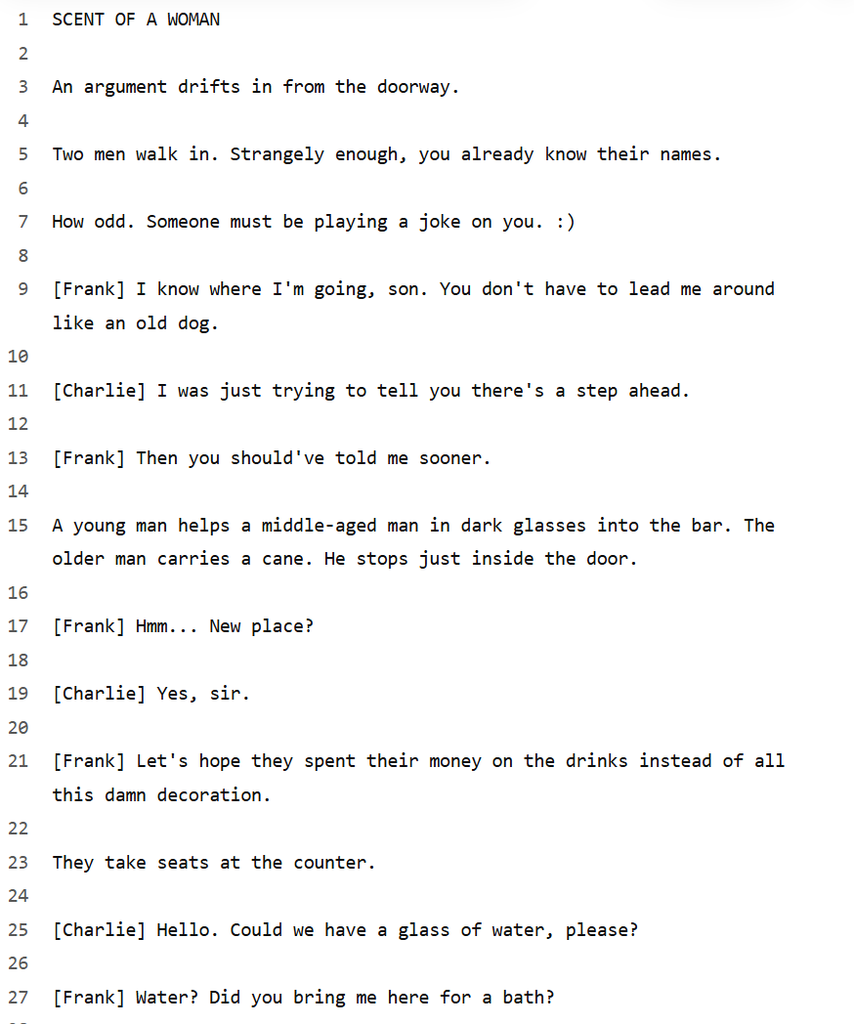
I will document the detailed iteration process in the Game Design development section.
Use of AI Tools
Google translate
Youdao translate