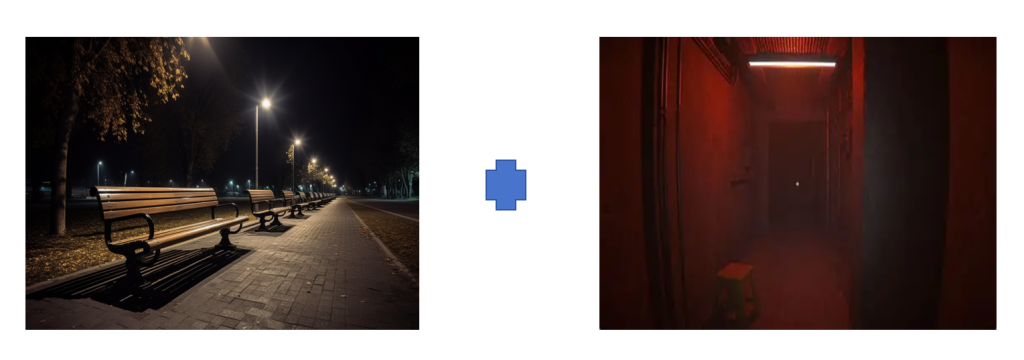
In this week’s class, I gained a deeper understanding of the role of narrative design in games. In class, we learned how to shape the story’s meaning through player choices, scene atmosphere and object narrative. Through the “From Story to Branching Narrative” workshop, I attempted to adapt a horror short story into an interactive narrative and found that structural design and emotional control are equally important.
Conway Sutton’s lecture made me realize the difference between a game screenwriter and a narrative designer: one focuses on the textual content, while the other is responsible for the overall experience. The most important gain is that narrative is not merely about writing a story, but about designing how players experience it. In the future, I want to continue exploring how to establish a more natural connection between gameplay and emotions. Just like last week, my thoughts have changed a bit. I don’t want to abandon my early ideas about terror and despair immediately. I want to add the content from my mood board to form a progressive storyline. For example, the early stage of the game is gentle and quiet. As the player progresses, the emotions and atmosphere will gradually become depressing, terrifying and full of pressure. This can contain many stories.