When designing the worldview of Echoes of Luma, I hope to create a city that can not only play game scenes but also tell stories. Therefore, I refer to some games that emphasise environmental narrative, such as Journey and What Remains of Edith Finch.
“Journey” https://store.steampowered.com/app/638230/Journey/
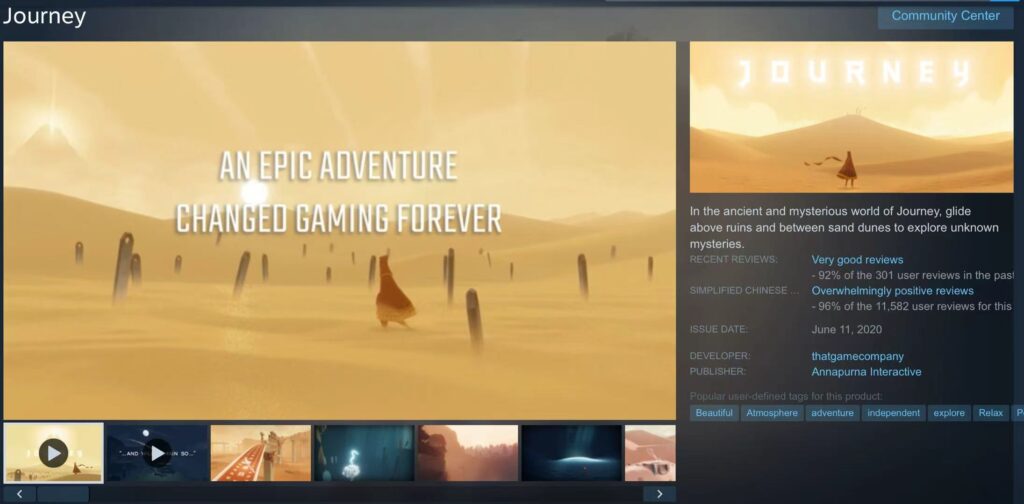
There is almost no dialogue. Players mainly understand what has happened in the world through architectural relics, environmental changes and visual atmosphere. The whole story is not told to the players through words, but to let the players observe and feel it by themselves. This made me realise that a game world itself can also be a part of the story, not just the background of the player’s activities.
What Remains of Edith Finch
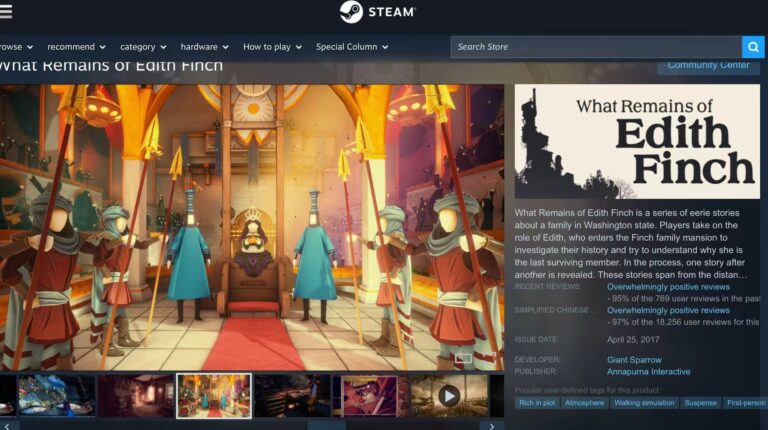
It made me understand that every object in the environment can carry a story. By exploring the room and observing furniture and items, players gradually piece together what happened to the characters in the past, instead of relying on a large number of dialogues or plot animations.
These works made me think that if the city itself can “record memories”, then players can gradually understand what has happened to the city through the environment in the process of exploration.
Therefore, I designed the city of Luma.
Luma was originally a city full of vitality, but the energy bridge responsible for storing the city’s memory suddenly broke, causing the whole city to lose its vitality. The colour of the city gradually became colder, the street lights went out, the plants began to wither, and the sound in the environment became empty and mechanical. Although the residents still exist, they have lost all their memories, and everything in the city seems to be stuck on the same day.
Players will not understand these backgrounds through the long plot, but gradually piece together what Luma used to look like in the process of exploring the city, repairing objects and watching Memory Echo. I hope the city itself can become a part of the story, so that players can feel that the world is slowly recovering through environmental changes.
⸻
Steve: Role and player identity
Steve was inspired by an engineer friend of mine in real life. But it’s not convenient for me to release his personal photos here. The following are some photos he sent me to record his life, some of which are taken daily and some of which are taken during travel.
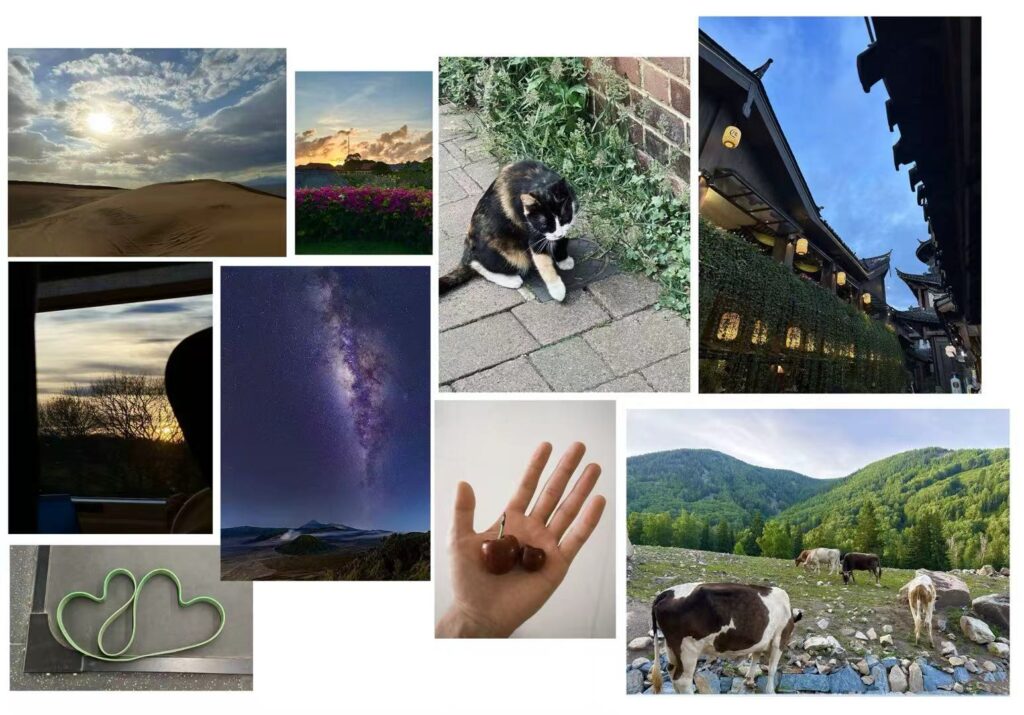
He is a person who likes to observe life. Every time he travels, he will pay special attention to the beautiful things around him, such as beautiful scenery, cute little animals or an inconspicuous shop. He is also used to bringing back some souvenirs, but these souvenirs are not decorations for him, but a way to preserve a memory and an experience. This way of observing the world has inspired me a lot.
Therefore, in Echoes of Luma, I designed Steve as the only person in the city who still retains memories. Instead, he helps the city find lost memories little by little by exploring the environment, repairing objects and collecting Memory Echo.
Steve is the only one operable character in the whole game. Players can only observe Luma from Steve’s perspective, so I hope players can take the initiative to pay attention to the details of the environment like Steve, instead of just focussing on the task objectives. This can also make players more engaged in the atmosphere of the city and connect with the story.
⸻
Luma: a city as an emotional space
The name “Luma” comes from the English Lumen, which means “light”. I chose this name because light not only represents lighting in the game, but also symbolises vitality, memory and hope.
At the beginning of the game, Luma is a city that has lost its vitality. The overall picture adopts a cold tone, the street lights are turned off, the plants wither, and the environment is very quiet, so that players can clearly feel that the city has stopped operating. As players continue to repair fountains, trees, street lights, clock towers and energy bridges, the city will slowly change. The plants grew again, the lights turned on again, the colour of the environment gradually warmed up, and the sound in the city began to recover. These changes are not only visual effects, but also a narrative way.
I hope that players can feel through environmental changes that their actions really affect the whole world, instead of simply completing a series of puzzles. Every time an object is repaired, it means that the city has regained part of its memory; and when more and more objects return to normal, players can also intuitively see Luma gradually recovering. Therefore, Luma is not only the place where the story takes place, but more like another character in the game. It will constantly change with the player’s actions and respond to the player through the environment, so that the player feels that he is helping the city come back to life.