After thinking about it, I hope the core experience of the game is:
In the circular time structure, players are both explorers and learners educated by time. ( Because I want to design a game related to the time loop) Every failure and every correction becomes a carrier of memory and growth. By allowing players to interact with their “past self”, the game allows them to experience cause and effect in action and understand themselves in reflection.
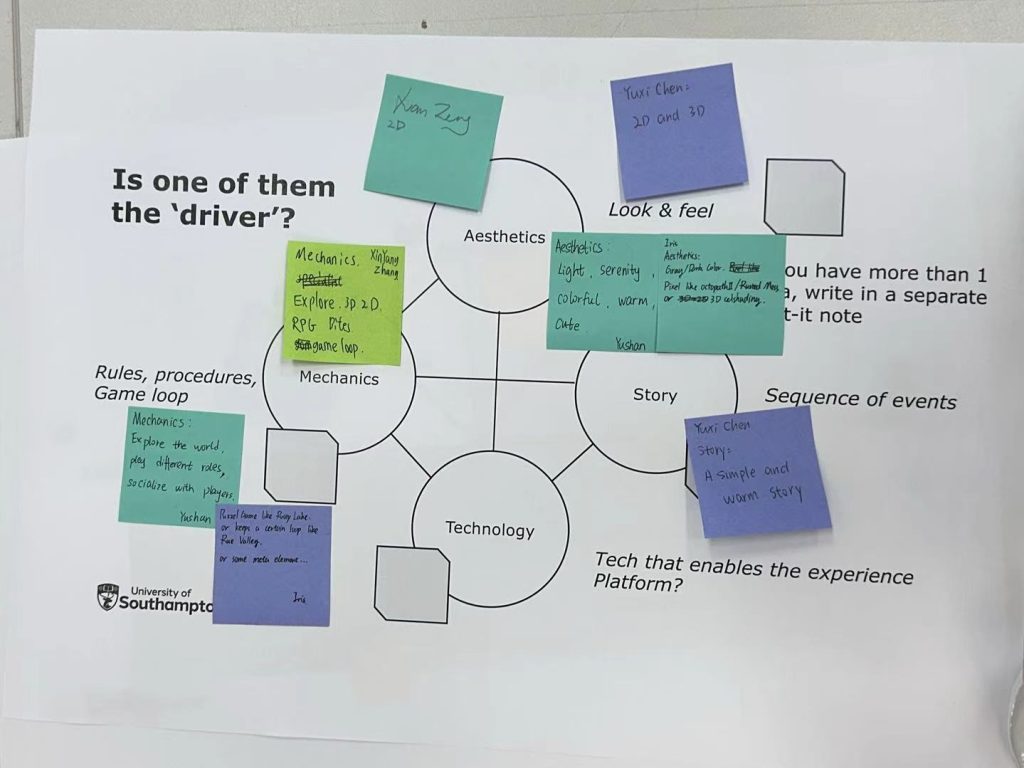
The key elements to create this experience: the story background in the game, the picture of the game and the background music of the game.
To capture these, my game needs to have a non-punitive cycle mechanism. For example, a failure does not mean that the game really fails. It will become an opportunity to accumulate experience. And the subtle changes of vision, sound and environment can enhance the sense of passage of time, and finally leave some time for players to think.
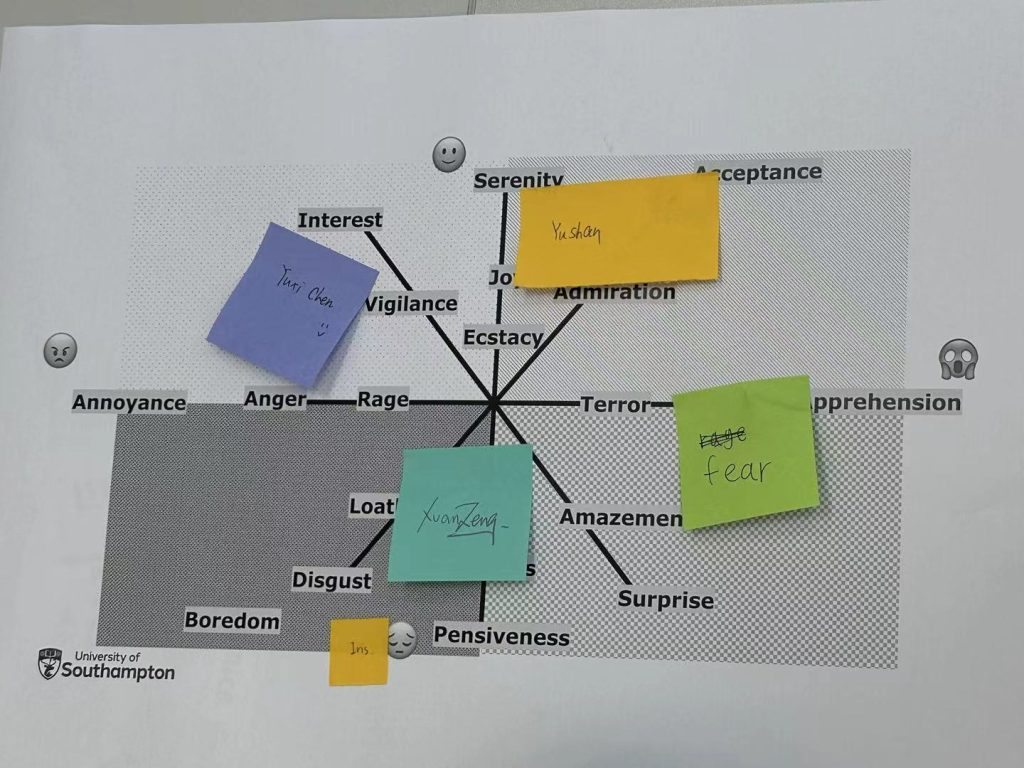
This is the emotional state that I want my game to have in the classroom. I hope my game is positive, and players can also feel the joy and fun of continuous exploration from it.
Some of my current thoughts on my game pillar:
Pillar 1: Time Loop
Core concept: Players explore, fail, reflect and change in a repeating time cycle.
Design significance:
The time cycle is both a narrative structure and a learning mechanism.
Each restart is not a punishment, but an opportunity for “cognitive progress”.
Players experience the weight of memory and the consequences of behaviour through the cycle.
Pillar 2: Choice and Consequences
Core concept: Every choice leaves a mark, and even if time is reset, the memory still exists.
Design significance:
All decisions in the game (dialogue, action, exploration path) will have a chain effect in the subsequent cycle.
Players will not be punished by the system, but will be “reminded” by the system – past decisions shape the present world.