
This week explored how video games can function as poetic and emotional experiences rather than purely challenge-, progression-, or reward-focused systems. Through lectures, a guest talk, and a practical studio exercise using Bitsy, the focus shifted toward metaphor, ambiguity, and emotional intention in game design.
This week was important for shaping my design thinking, as it encouraged me to consider how emotion can be communicated through mechanics, movement, and constraint, rather than relying on explicit narrative or dialogue. These ideas directly influence the direction of my overall game concept.
A central question raised during the guest lecture was whether video games can be considered a form of poetry. The idea presented was that games, much like poems, can communicate meaning through structure, rhythm, and implication, rather than direct explanation.
Key lessons discussed included:
- Stripping away unnecessary elements
- Leveraging poetic devices such as repetition and silence
- Embracing ambiguity
- Reimagining what “fun” means in gameplay
- Respecting the poetic process rather than over-designing
This challenged my previous assumptions about game design and helped me understand that simplicity can often strengthen emotional impact.
A major theme of this week was the use of metaphor to express emotion. Rather than telling the player what to feel, metaphor allows emotions to emerge through interaction and experience.
We explored how emotions could be translated into gameplay through:
- Movement and restriction
- Spatial design
- Timing and pacing
- Repetition and rhythm
This strongly connects to my project, where movement and stealth are not just mechanics, but metaphors for control, vulnerability, tension, and adaptation. The idea of designing “feeling first” rather than “feature first” became central to my approach.
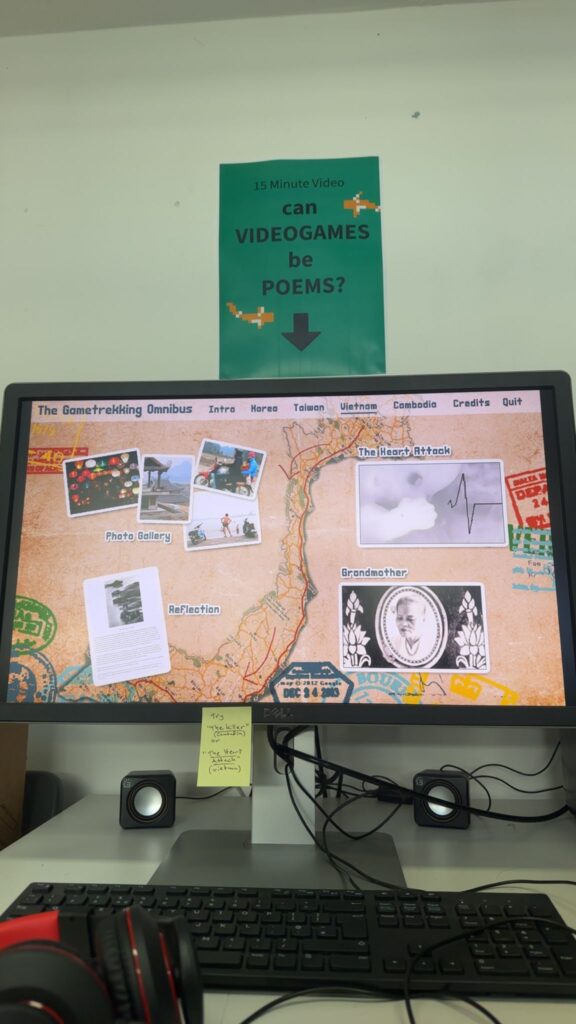
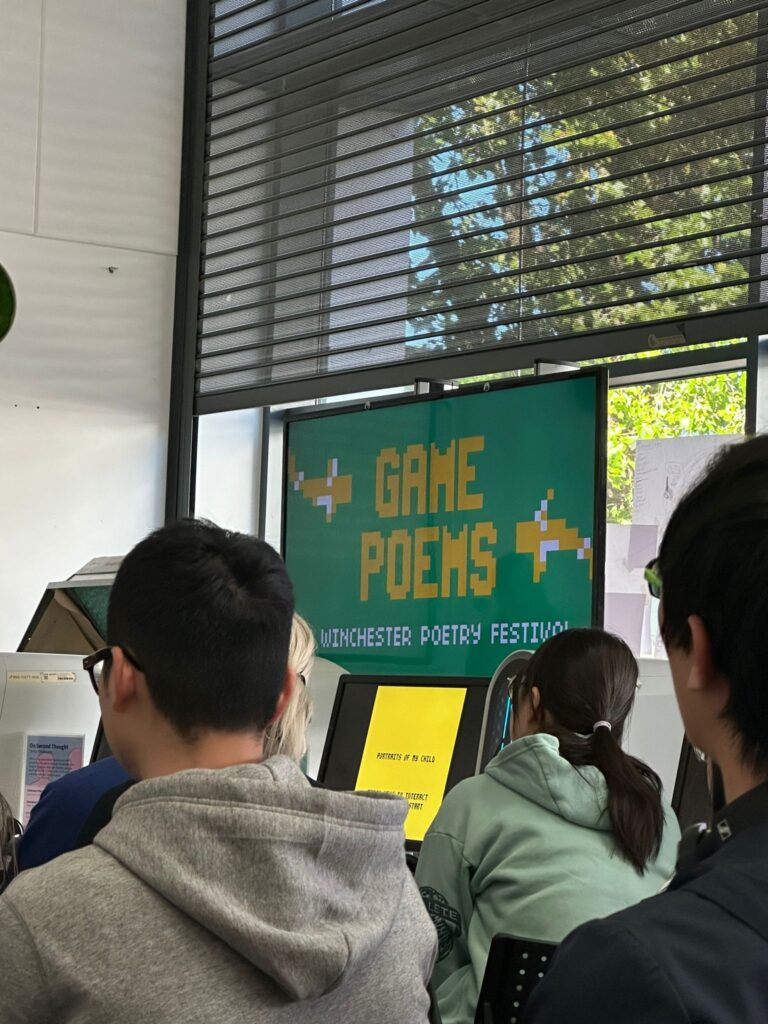
We examined examples of experimental games often described as “game poems,” such as Jason Rohrer’s Passage. These games use minimal mechanics to convey complex emotional themes.
What stood out to me was how:
- Simple controls created emotional focus
- Progression felt symbolic rather than rewarding
- Meaning was left open to player interpretation
This reinforced the idea that emotional depth does not require complex systems and that players can extract meaning from even the most minimal interactions.
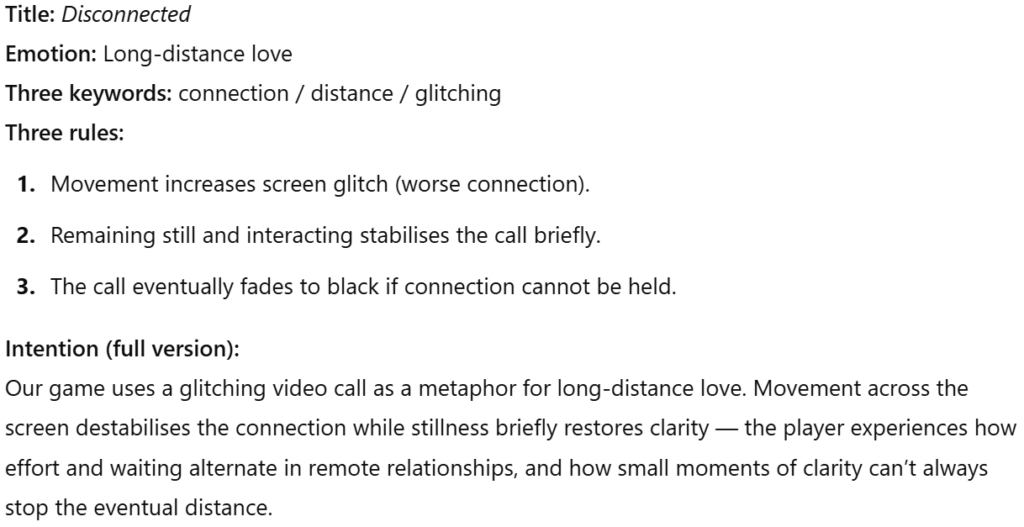
In the studio session, we created a small “game poem” using Bitsy, following strict constraints:
- One emotion
- One metaphor
- Exactly three rules
- Playable in under two minutes
These limitations forced me to focus on intentional design choices, rather than scope or polish. Every interaction had to serve a clear emotional purpose.
The exercise showed how constraints can actually enhance creativity, encouraging clarity and emotional precision rather than overwhelming the player with mechanics.
This is my Bitsy idea for a game poem.
This week significantly influenced how I think about my larger game project. It reinforced the idea that mechanics should support emotion rather than distract from it.
Key takeaways I plan to apply include:
- Designing mechanics as metaphors
- Using limitation and restraint intentionally
- Allowing space for player interpretation
- Prioritising emotional experience over complexity
These principles directly inform my GDD, particularly in how movement, pacing, and atmosphere are used to create adrenaline, tension, and immersion.
Week 2 helped solidify my understanding of emotional and poetic game design. It demonstrated that games do not always need clear objectives or traditional success states to be meaningful. Instead, clarity of intention and emotional focus can create powerful player experiences.
This week strengthened my confidence in pursuing a design approach that values emotion, metaphor, and immersion, which will continue to guide the development of my project moving forward.