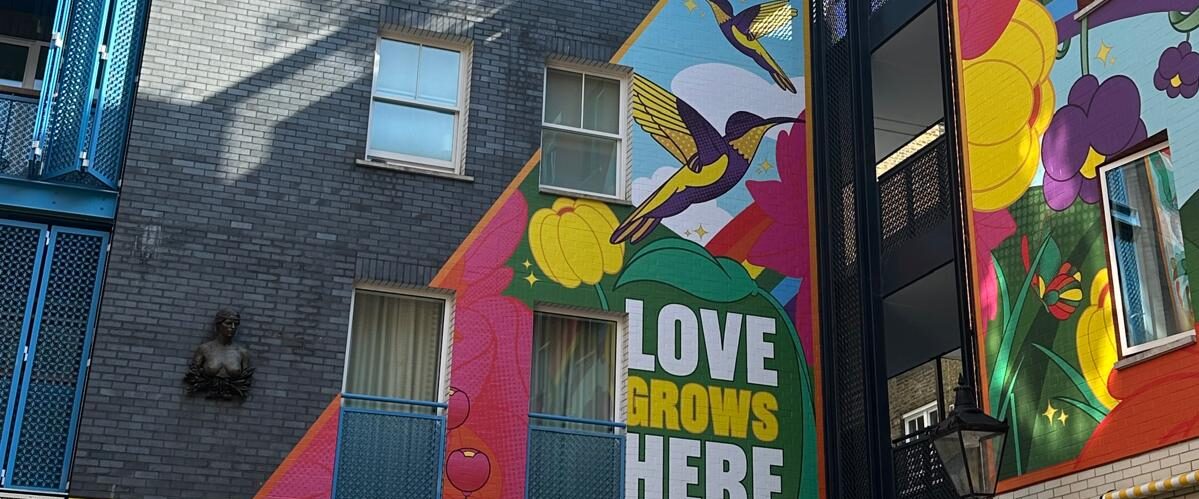
Week 3 felt like one of the first weeks when everything in the project started to feel more real to me. During this stage, our group focused heavily on planning, collaboration, presentation development, and researching the visual direction for Developing Memories. Looking back, I think this week was especially important for my growth as a World Designer because it helped me understand that environmental signage is not only about creating visuals but also about communication, atmosphere, organisation, teamwork, and emotional storytelling.

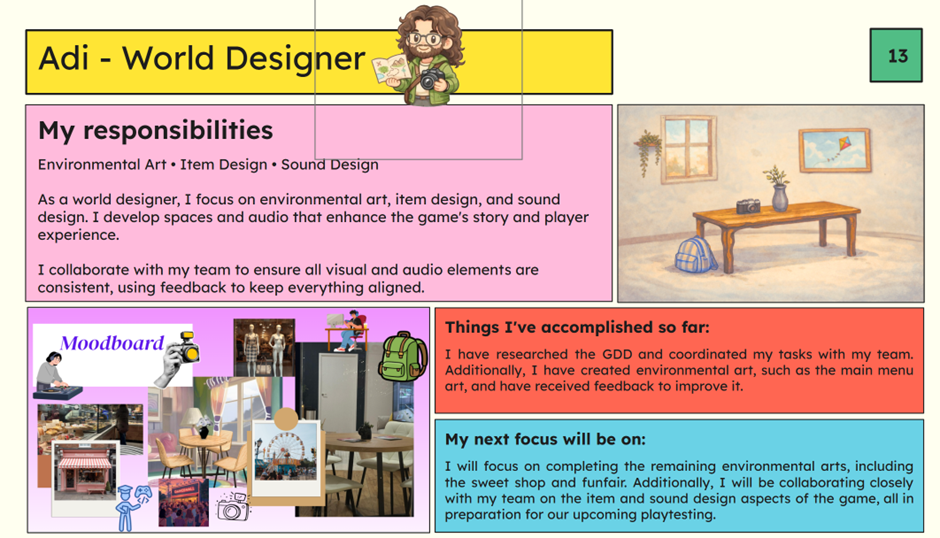
At the beginning of the week, our group worked on developing and presenting our early project direction. I stayed highly involved throughout the process, contributing to discussions, helping organise ideas, and supporting the preparation of our presentation slides. During studio sessions, we spent a lot of time discussing the game’s emotional tone and the atmosphere we wanted players to experience. Since Developing Memories focuses heavily on nostalgia and childhood memories, I wanted my environments to feel comforting, dreamy, and emotionally warm rather than fully realistic.
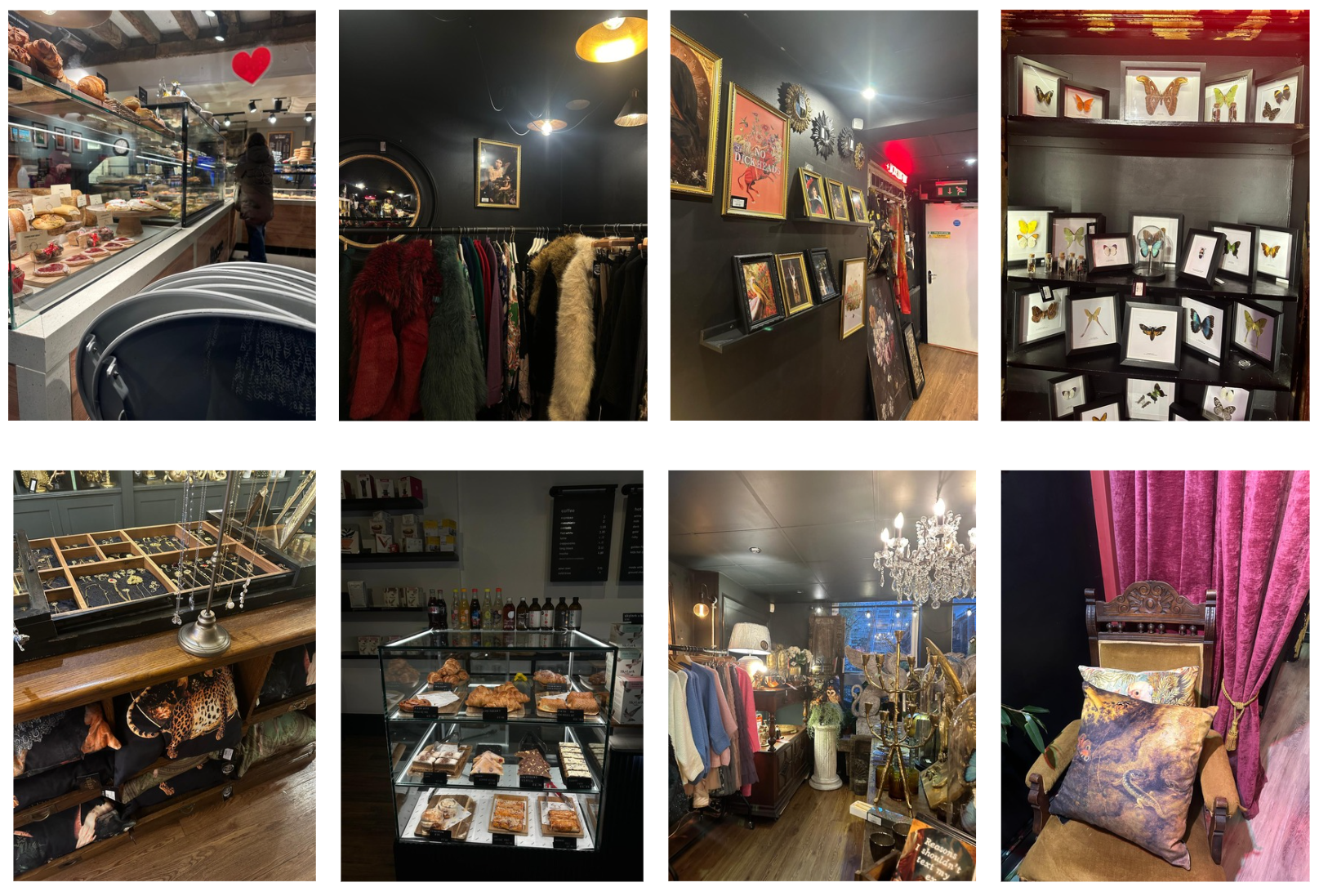
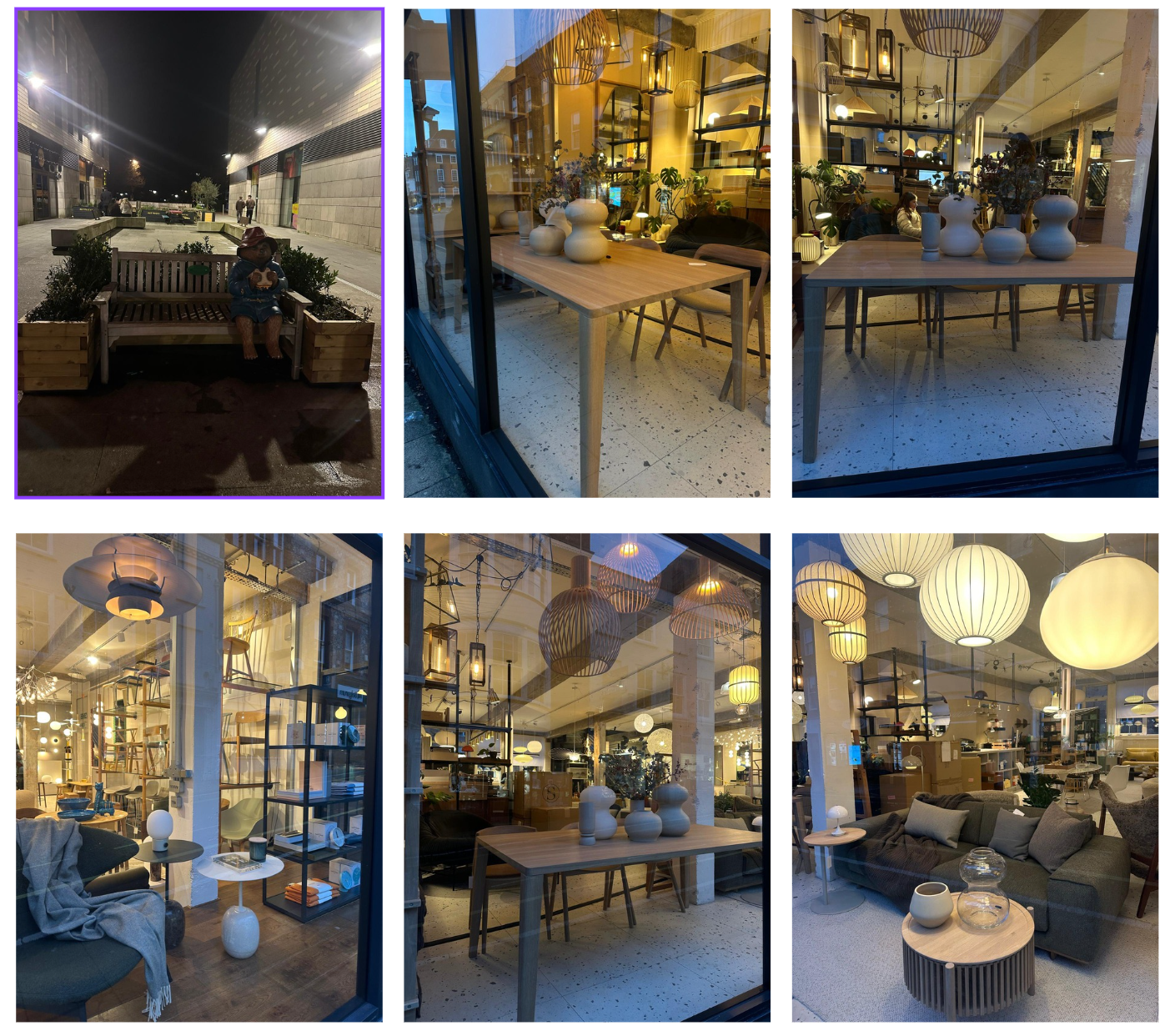
As part of my role as World Designer, I began researching real-world locations and interiors to inspire the game’s environments. The photographs in this blog were among the first visual references I collected at this stage. I focused on observing lighting, furniture arrangements, colours, decorations, textures, and the overall emotional feeling of different spaces. Some of the environments featured warm lighting and soft colours, while others had unique decorations and layouts that created a calm, nostalgic atmosphere. Looking back, I think researching real-life locations helped me better understand how environmental storytelling works because even small details can completely change how a space feels emotionally.
While collecting references, I also started thinking more deeply about how childhood memories could be represented visually inside the game. Many of the spaces I researched felt cosy, comforting, and slightly dreamlike, which closely aligned with the emotional direction I wanted the project to take. Personally, I found this process really inspiring because it helped me realise how important atmosphere and emotion are within world design. Instead of focusing solely on realism, I started thinking more about how environments can help players feel emotionally connected to a space.
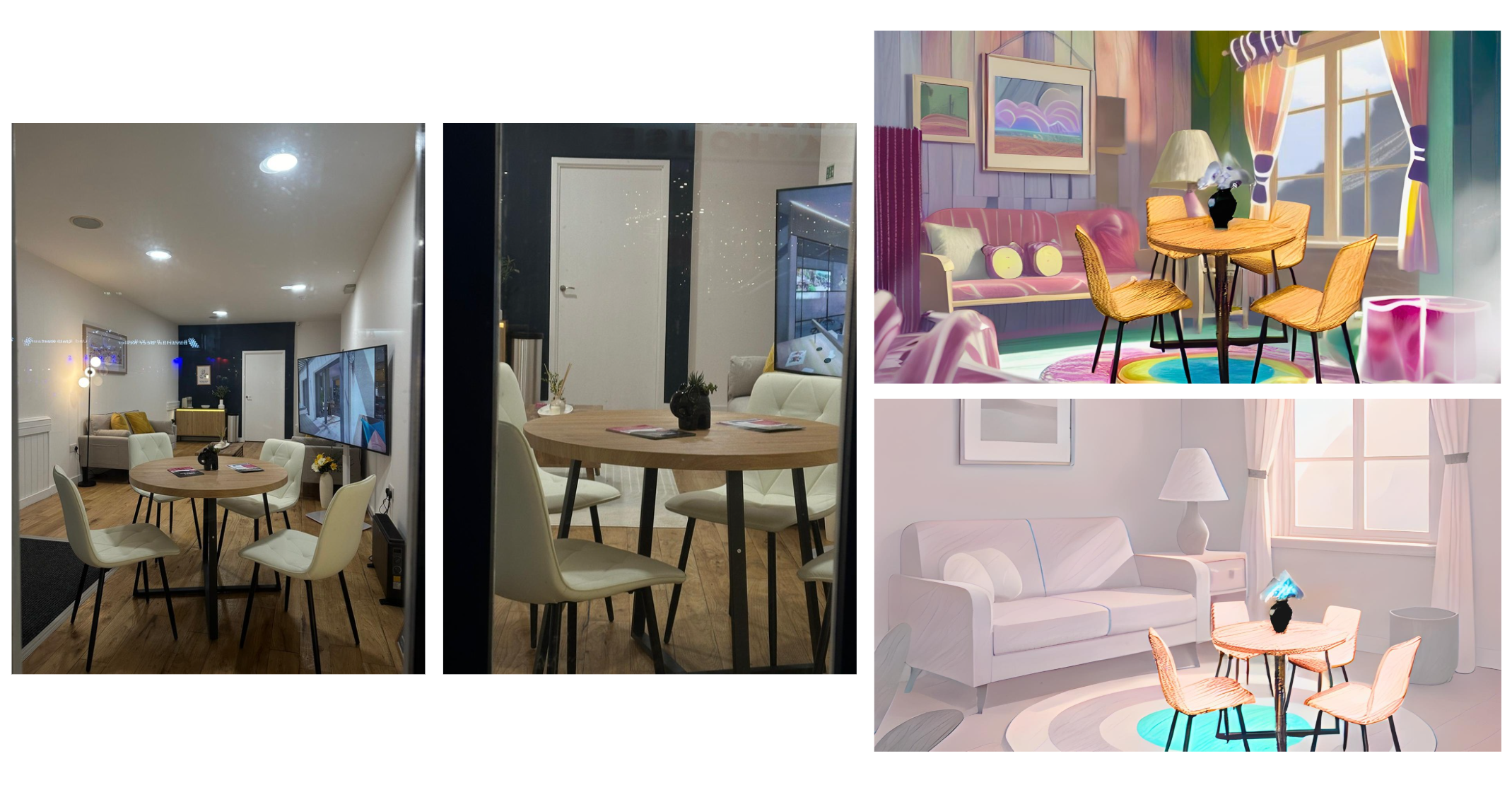
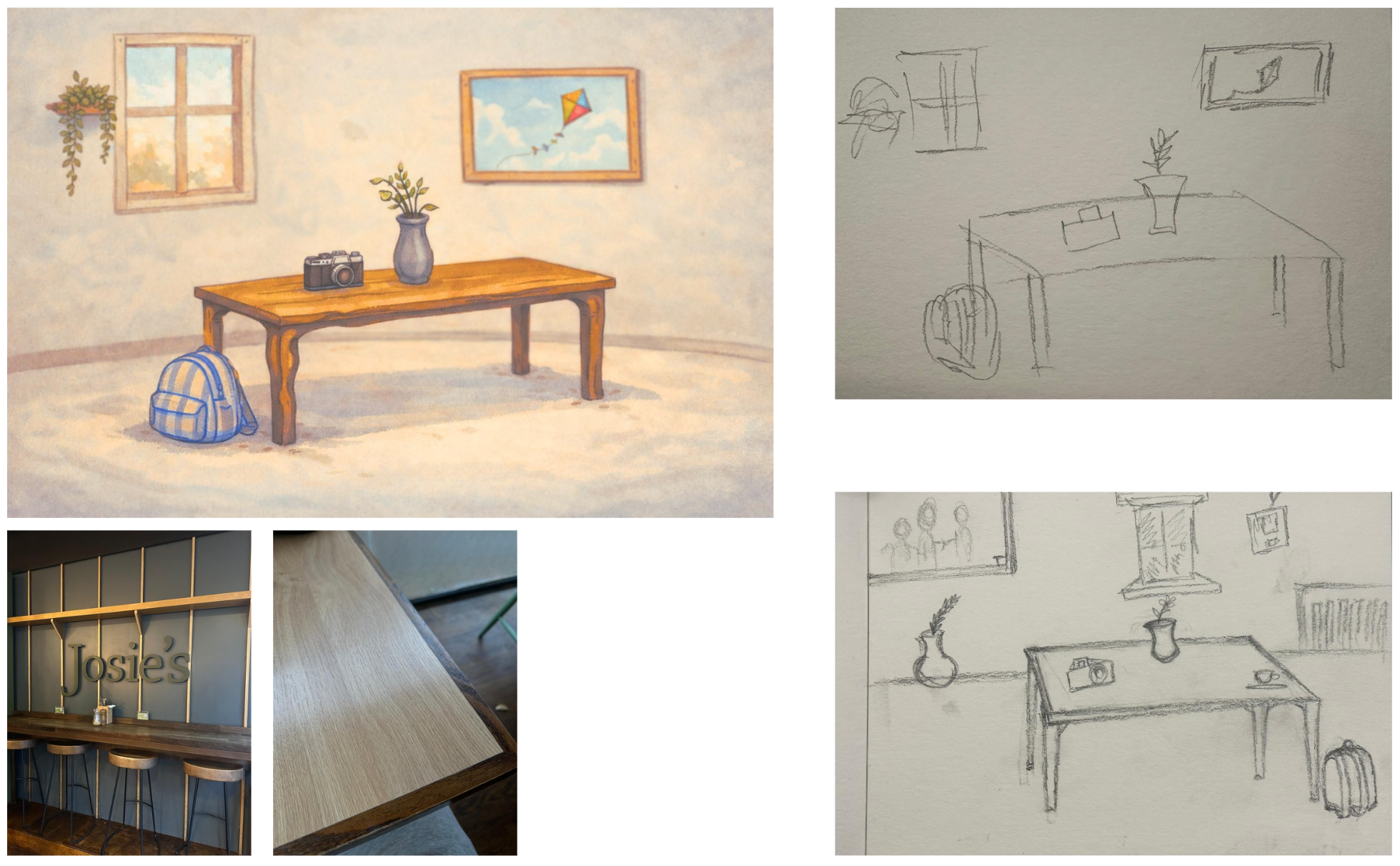
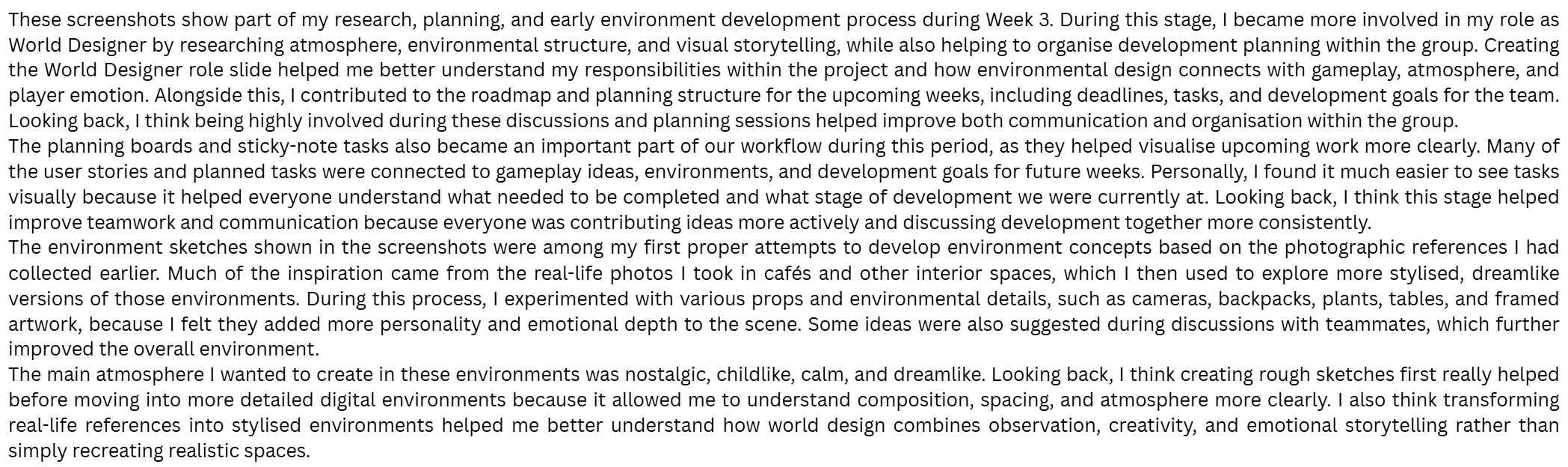
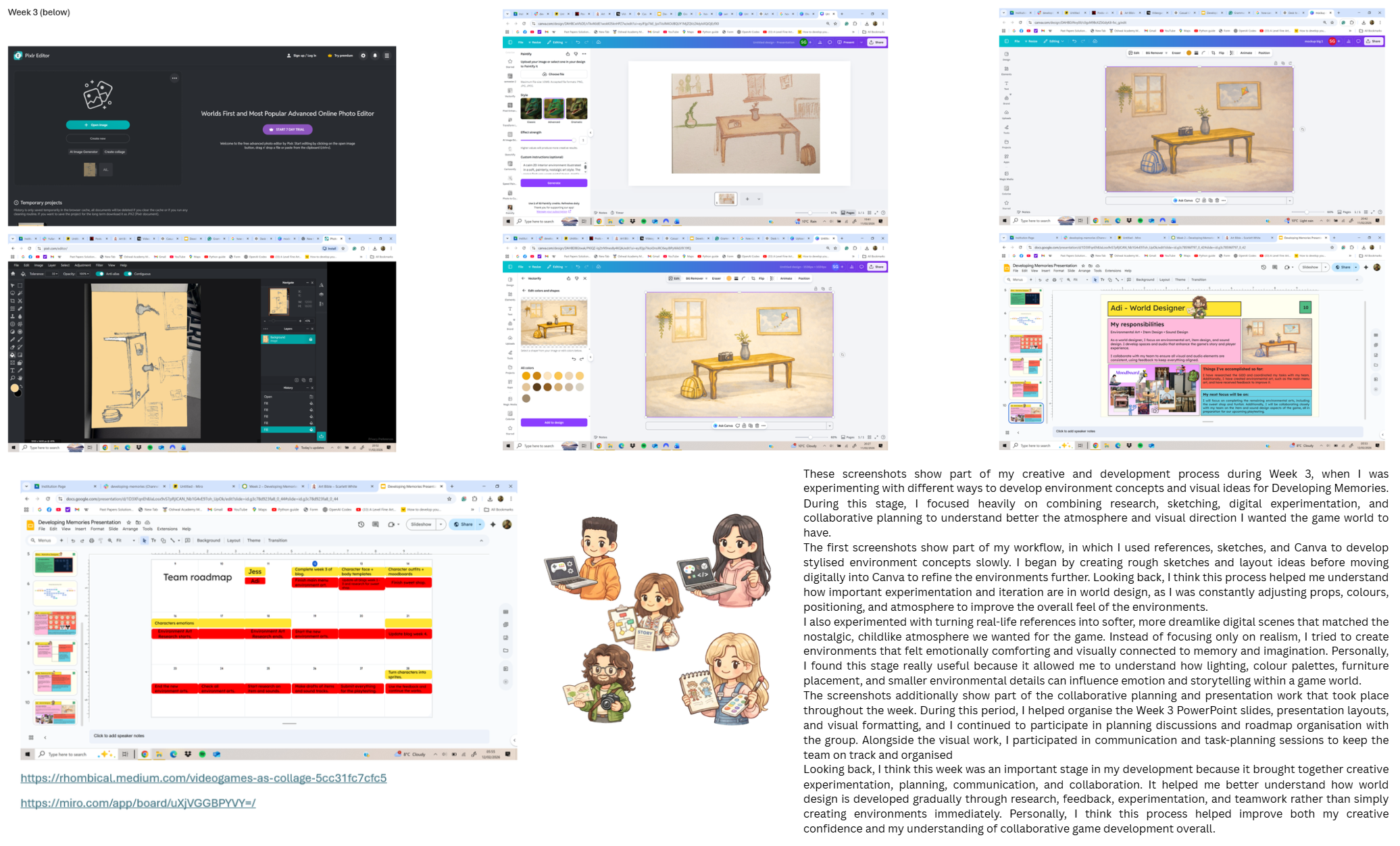
Alongside my visual research, I began experimenting with transforming real-life references into stylised environment concepts. I started by sketching rough layouts and planning object placement, then gradually developed digital concepts using Canva and other design tools. During this process, I experimented with colours, composition, lighting, props, and environmental details to make the scenes feel softer and more childlike. Looking back, I think this stage was really important because it helped me understand how much experimentation is involved in creative development. Even small changes to colours or lighting could completely change the emotional atmosphere of a scene.
The environmental concepts shown throughout this blog were directly inspired by photographs and references I collected during the week. I tried combining real-life inspiration with a softer stylised aesthetic to create environments that felt nostalgic, peaceful, and emotionally comforting. I also received suggestions and feedback from teammates throughout the process, which helped me further refine my ideas. Looking back, I realised how valuable collaboration can be because feedback often helped me notice details I had not considered myself.
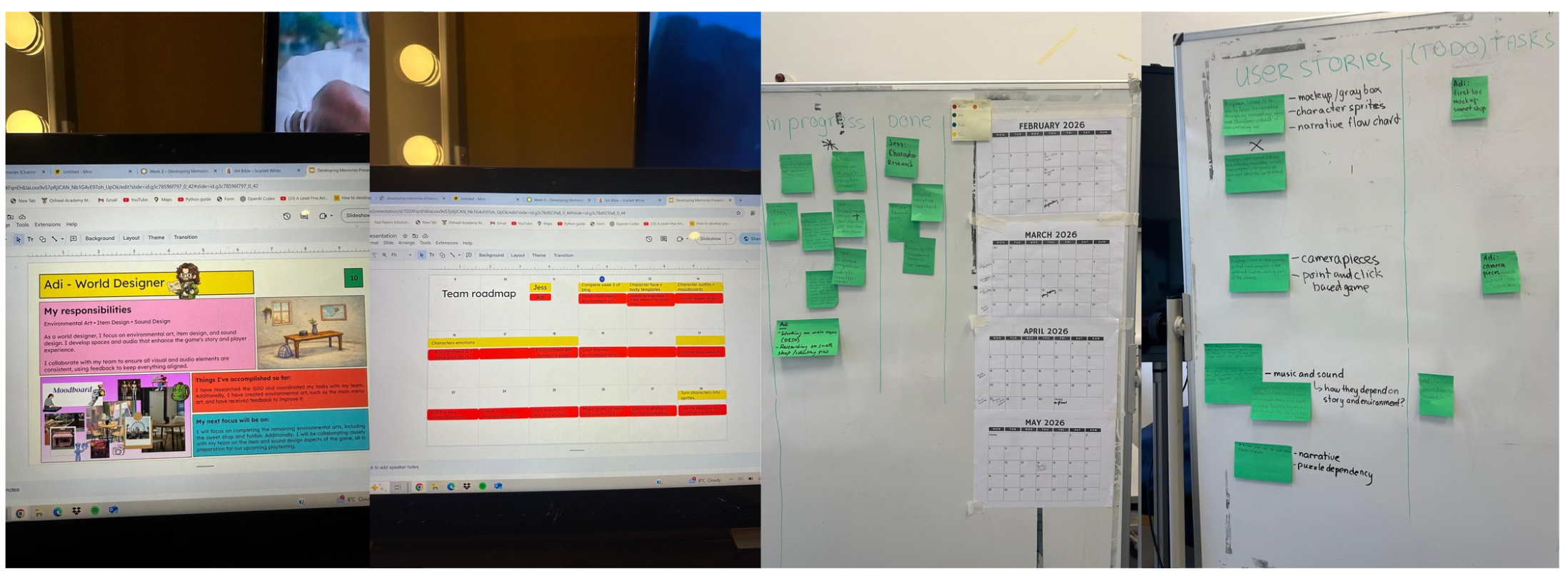
Throughout the week, our group also spent a lot of time organising tasks, discussing plans, and improving communication within the team. The planning boards, user stories, calendars, and roadmaps shown in the screenshots helped us structure our workflow and visualise upcoming goals more clearly. Personally, I found these planning sessions extremely useful because they helped the group stay organised and improve communication among team members. Looking back, I realised that game development is not only creative work but also requires strong organisation and teamwork to keep projects moving forward successfully.
The screenshots of our collaborative discussions also show moments where misunderstandings happened within the team regarding references and visual direction. However, instead of letting these situations negatively affect progress, I tried to respond professionally by listening carefully to feedback, communicating openly, and improving my work based on the discussions. I updated my references, refined my ideas, and made changes to ensure my work aligned more clearly with the project’s mission. Looking back, I think this experience helped me grow both creatively and personally by teaching me the importance of communication, adaptability, and teamwork in collaborative development.
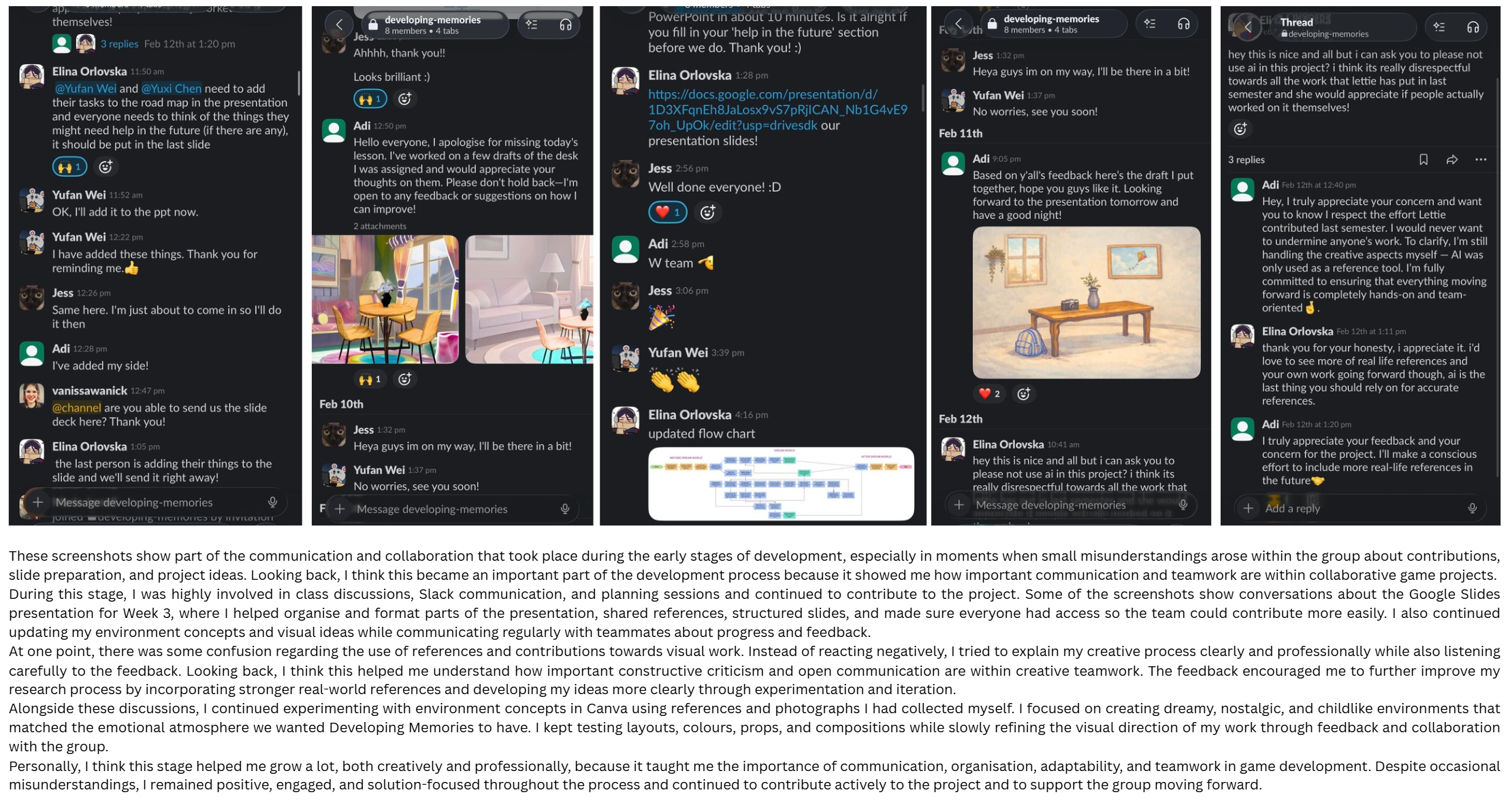
Another important part of this week was documenting my creative process more carefully. The screenshots included in this blog show different stages of my workflow, including sketching, visual experimentation, digital editing, planning, presentation work, and collaborative discussions. Personally, I think documenting my process helped me reflect more critically on my own development because I could clearly see how my ideas evolved. It also helped me understand that creative development is rarely linear, and that experimentation, mistakes, revisions, and feedback are all important parts of improving creative work.
Looking back, I think Week 3 was one of the most valuable stages of the project so far because it combined research, experimentation, collaboration, planning, and environmental storytelling. This week helped me develop a clearer understanding of the emotional direction I wanted Developing Memories to have while also improving my confidence as a World Designer. More importantly, it helped me realise that strong world design is not only about creating visually appealing environments but also about creating spaces that feel emotional, immersive, and meaningful to players.