Week 6 felt like another major step forward for me because it was the week I moved beyond simple environment creation and began thinking more seriously about technical workflow, structure, collaboration, and environmental storytelling. Up until this stage, I had mainly been experimenting with Canva and learning through trial and error. Still, this week, I pushed myself to start learning Photoshop properly to improve the quality and scale of my environmental work. At the same time, I also became more involved in supporting the team organisationally by helping create task roadmaps and contributing towards clearer production planning within the group.
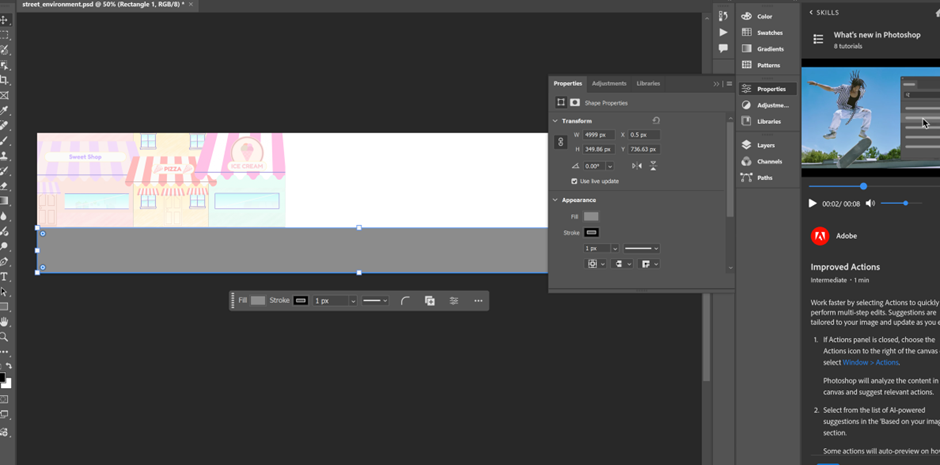
One of the biggest focuses during this week was beginning my transition from Canva into Photoshop. Since Photoshop was completely new to me in the context of environmental design, the process initially felt overwhelming and confusing. I spent a large amount of time watching tutorials, experimenting with settings, adjusting canvas sizes, and learning to correctly import and scale previous work into wider layouts suitable for gameplay. Unlike Canva, Photoshop required far more precision and technical understanding, especially when positioning environmental elements accurately and maintaining proper proportions across larger scenes.


Although I struggled throughout the process, I kept experimenting and slowly became more comfortable with the software through repetition and practice. Looking back at these process slides helped me realise how much confidence I was beginning to build technically as a World Designer. Even though the workflow often felt frustrating, learning Photoshop gave me a better understanding of professional environmental design workflows. It helped me start thinking more carefully about scene construction, structure, and composition, rather than focusing solely on visual appearance.
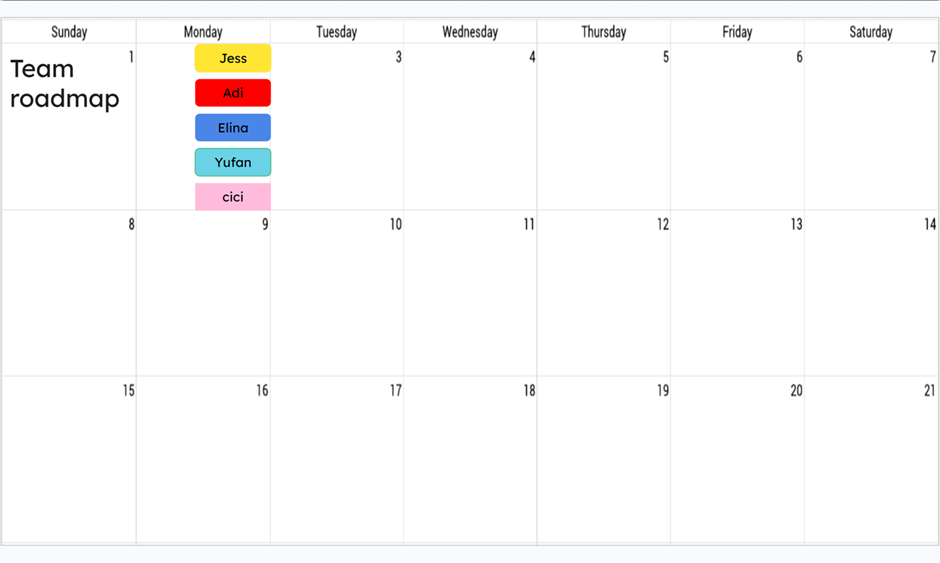
Alongside improving my technical skills, I also became more involved with the organisational side of the project during Week 6. I helped structure the team’s workflow by assisting with roadmaps, planning tasks, and discussing responsibilities within the group. This helped create a clearer sense of direction before moving further into development and ensured that everyone remained aligned with the project goals. Working collaboratively in this way made me realise how important communication and organisation are within game development, especially when multiple people are contributing towards the same project.
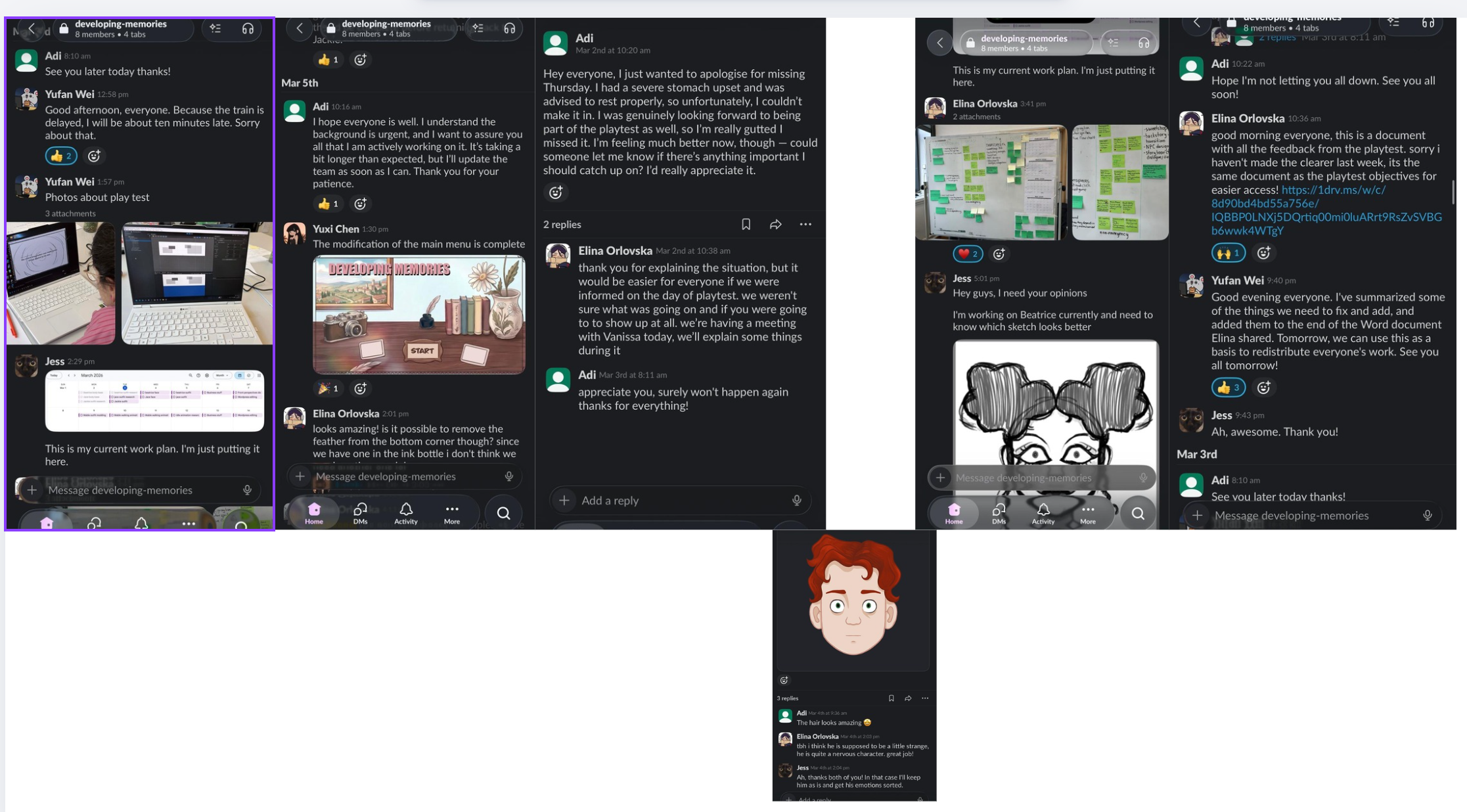
The Slack screenshots included throughout this week also reflect how active communication became within the team during development. I regularly shared updates on my environmental work, discussed visual ideas, reviewed feedback, and stayed engaged in conversations about the project’s progress. During this period, I also experienced some personal health difficulties, including stomach issues and feeling physically unwell, which affected my productivity temporarily. Despite this, I continued to do my best to stay involved with the team and contribute wherever possible, as I felt it was important to remain reliable and supportive throughout the collaborative production process.

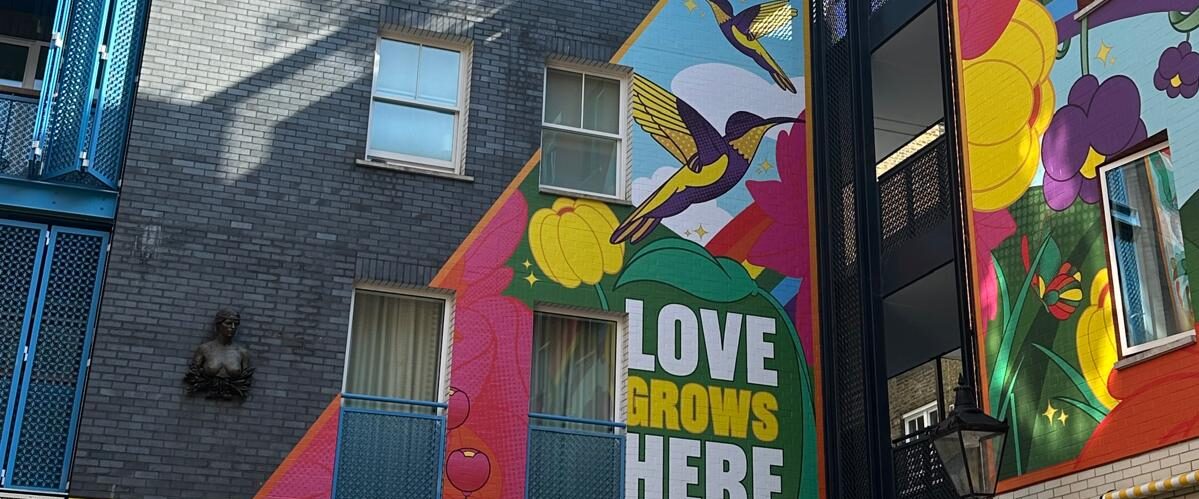
This week also helped me develop a much stronger understanding of environmental storytelling through visual research and collaborative feedback sessions. I drew inspiration from cafés, interior spaces, decorative environments, lighting references, and colour palettes that matched the nostalgic, emotionally comforting atmosphere I wanted for Developing Memories. I became especially interested in soft lighting, cosy interiors, playful decorations, and warm colour schemes because I wanted the environments to feel emotionally memorable rather than purely realistic.
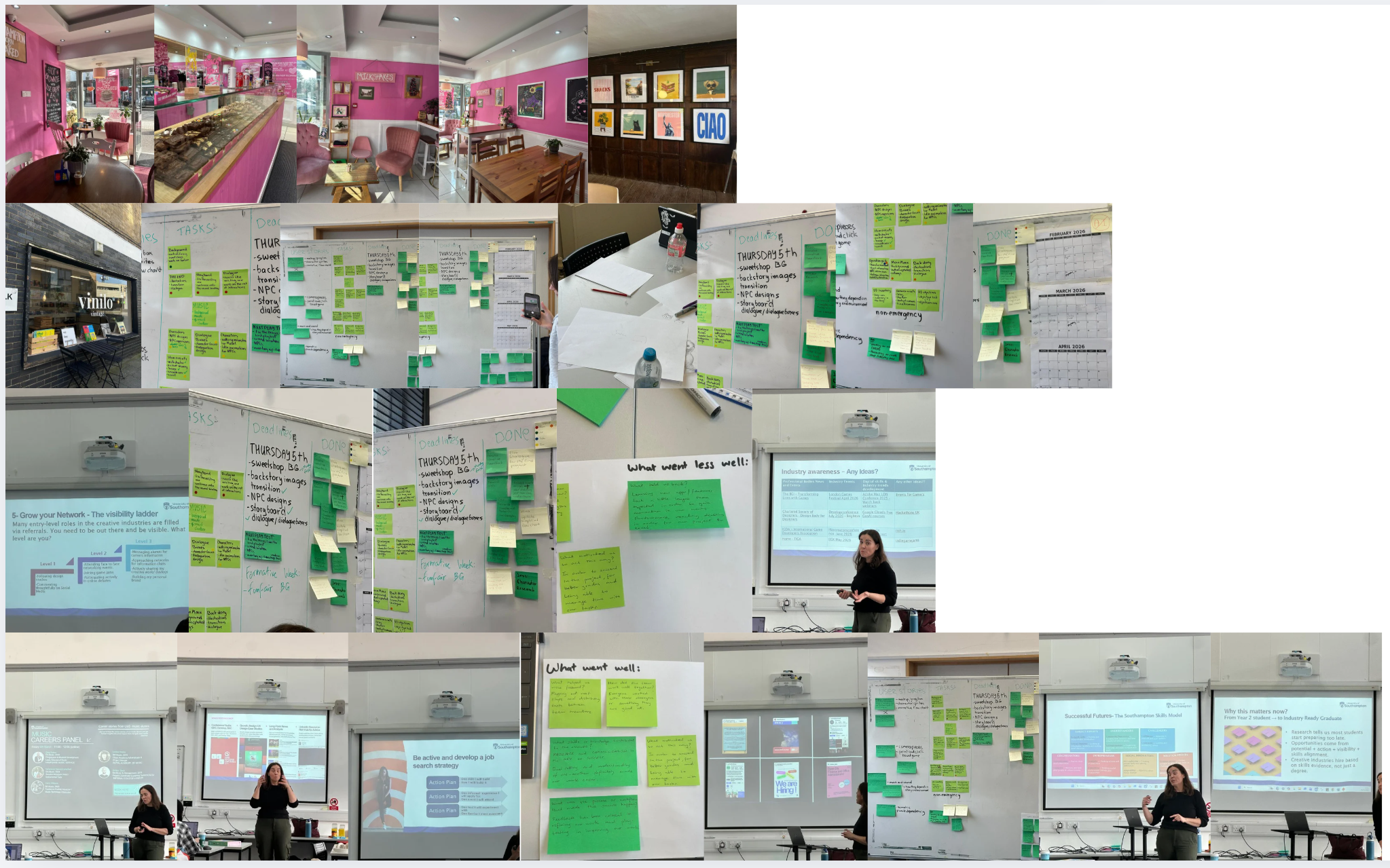

Alongside this research, we participated in collaborative feedback activities in which we reviewed progress as a group and discussed which aspects of the project were successful and which still required improvement. The sticky-note workshops and presentation feedback sessions helped me better understand how other people interpreted environmental spaces visually and emotionally. This encouraged me to reflect more critically on my own work while also learning from the perspectives and ideas shared by tutors and teammates.
As the week progressed, I noticed my mindset towards environmental design slowly began to change. Earlier in the project, I had mainly focused on making environments look visually appealing. However, during Week 6, I started thinking more deeply about atmosphere, emotional storytelling, composition, lighting, readability, and how players might experience the environment emotionally during gameplay. This helped me approach my role as a World Designer more thoughtfully and maturely.
Overall, Week 6 was an important period of technical growth, collaboration, and creative development for me. Although I still faced challenges in learning new software and managing personal difficulties, I became much more confident, both creatively and professionally. Learning Photoshop, contributing more actively within the team, and exploring environmental storytelling in greater depth helped me feel more connected to the project and more confident in my abilities as a World Designer.