Presenting an idea to my team: Using visual collages to create the game environment
As the World Designer on the project, one of the biggest ideas I wanted to bring to the game was using visual collages to create the environments and overall atmosphere. From the beginning, I did not want the world to feel overly realistic or perfectly polished because the game itself was heavily connected to childhood memories, emotion, imagination, and nostalgia. Instead, I wanted the environments to feel soft, layered, dreamlike, and emotionally personal, almost like looking back at fragmented childhood memories. Because memories are never clear, I believed that collage techniques would allow the environments to communicate emotion and atmosphere in a much more meaningful and artistic way.
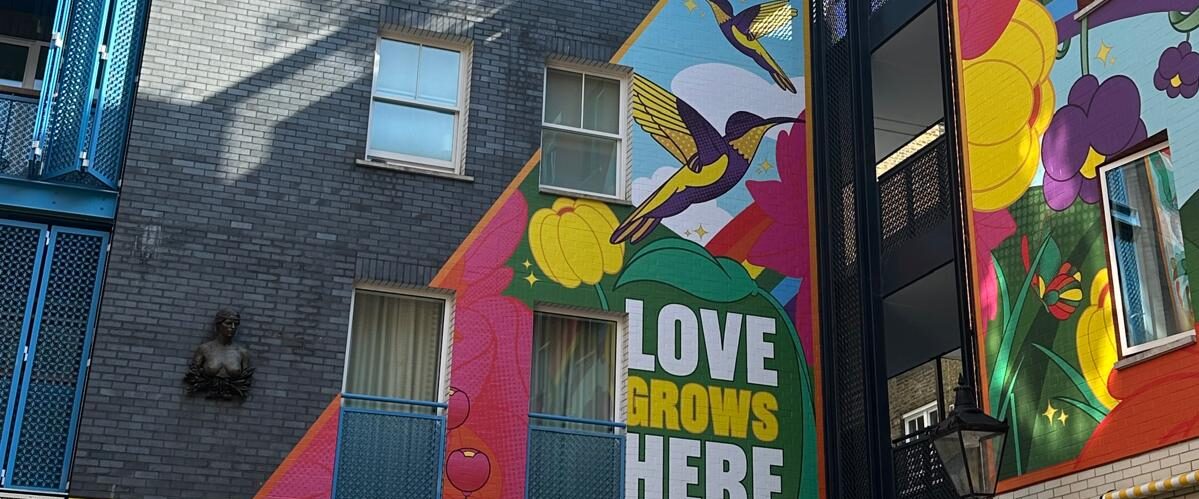
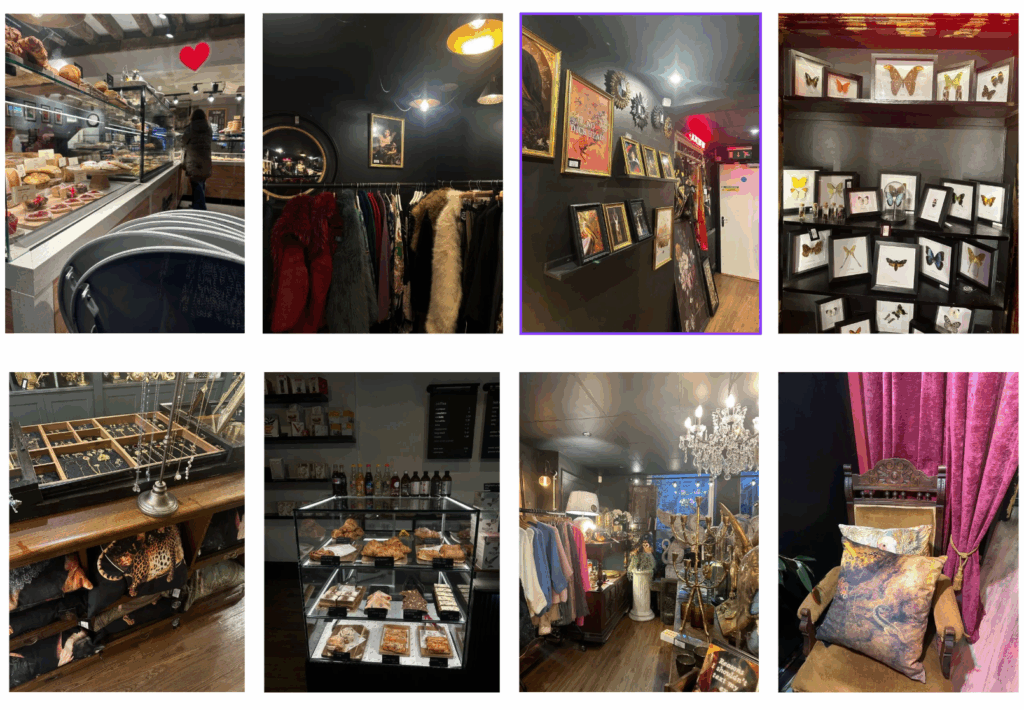
When presenting this idea to my team, I explained how combining real-life photography with digital illustration and collage composition could help create a unique visual identity for the game. Rather than relying entirely on premade assets or generic references, I wanted to use photographs I personally captured in Winchester, Southampton, and the surrounding areas. I felt that using my own photography would make the environments feel more authentic and emotionally connected to real experiences while also helping the project stand out visually from more traditional indie game environments.
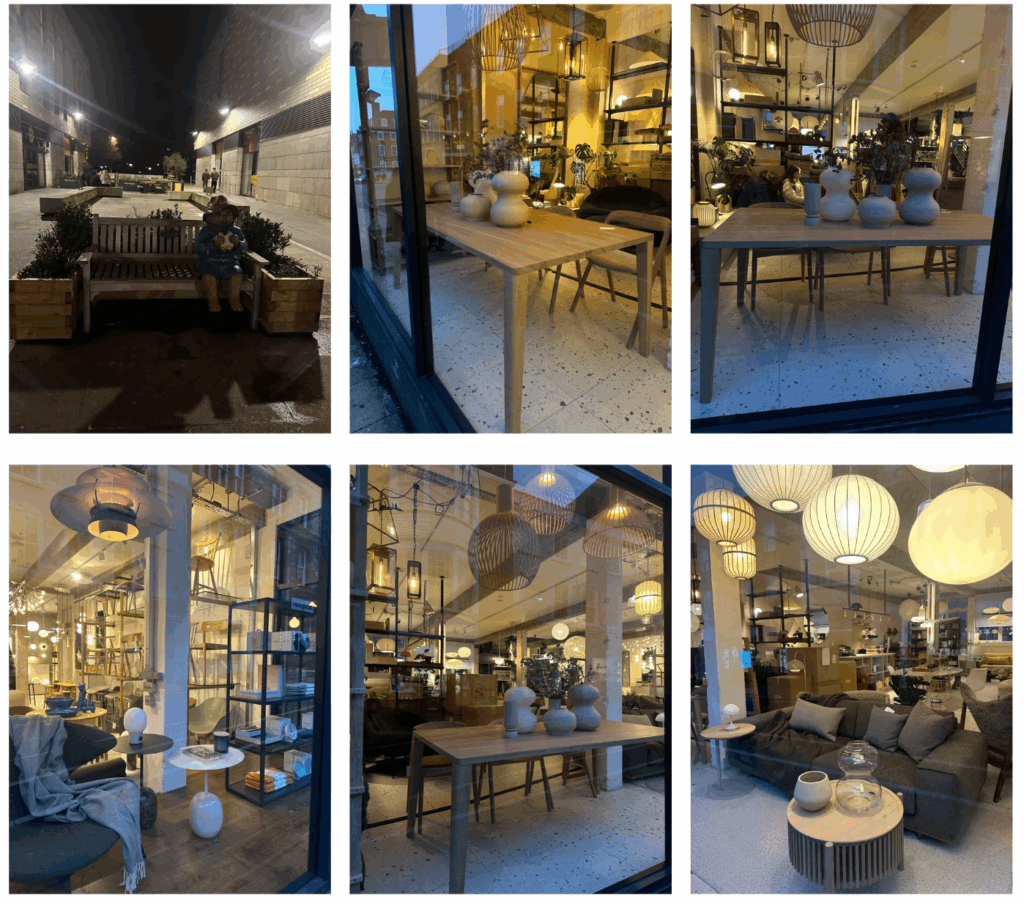
To support this idea, I spent a significant amount of time travelling around different locations for primary research. During this process, I explored areas across Winchester and Southampton, observing architecture, pathways, trees, lighting, colours, textures, parks, buildings, and everyday urban environments that could inspire the game’s visual direction. I began documenting locations that felt emotionally resonant or visually nostalgic, especially environments that evoked quiet childhood moments, loneliness, imagination, or reflection. This research process became extremely important because it allowed me to gather original reference material and think more deeply about how environments themselves can communicate emotion and storytelling in games.
Through travelling and conducting photography research, I also developed my photography and observational skills significantly throughout the semester. At first, I was taking photographs for visual references, but over time I started paying much closer attention to framing, composition, lighting, perspective, shadows, colour palettes, and environmental depth. I became more aware of how certain spaces naturally evoke emotions depending on their atmosphere, weather, lighting, or structure. This helped me better understand how environmental storytelling works visually and how real-life spaces can influence player emotion within game design.
After gathering the photography references, I experimented with combining them digitally using Canva, Photoshop, and Krita. I layered textures, edited colours, adjusted lighting, blurred certain elements, added grain effects, and combined illustrated components to create environments that felt both realistic and imaginative. This process allowed me to merge reality with memory, which became one of the strongest visual themes throughout the project. I really enjoyed experimenting with how much detail to include because I wanted the environments to remain visually expressive while still maintaining the softer and childlike aesthetic we were aiming for.
The collage technique also gave me much more creative freedom as a designer. Instead of creating environments in a rigid or technically restricted way, I was able to approach the world artistically and emotionally. Every composition slowly evolved from simple arrangements into more complete environmental pieces that reflected themes of nostalgia, memory, and childhood imagination. Looking back at the progression now, I can clearly see how the environments developed alongside my own technical and creative growth throughout the semester.
In addition, my use of my own photography and research strengthened the project’s originality. It made the world feel much more personal because many of the visual inspirations came directly from places I explored myself. This process also improved my confidence in communicating creative ideas professionally within the group, as I was able to explain the emotional reasoning behind my artistic decisions rather than focusing solely on aesthetics.
Alongside the practical experimentation, I also researched visual storytelling techniques used within games, animation, and mixed-media artwork. I found inspiration in stylised indie games and artists who use layered imagery, colour, and environmental composition to communicate emotion. This research helped me better understand how visual design can influence immersion, atmosphere, and emotional engagement within interactive media. I became particularly interested in how environments can silently tell stories through composition and mood without direct dialogue or explanation.
Overall, this idea became one of the most important parts of my development as a World Designer throughout the project. It allowed me to combine personal creativity, photography, experimentation, research, environmental storytelling, and technical practice into a single creative process. More importantly, it taught me that environments within games are not just backgrounds for gameplay but emotional spaces that can shape how players feel, reflect, and connect with the world around them. Looking back now, this process not only strengthened my technical abilities but also helped shape me, both creatively and professionally, as a designer.
References:
- The Animator’s Survival Kit
Williams, R. (2009). The Animator’s Survival Kit. London: Faber and Faber.
- The Little Prince
Saint-Exupéry, A. de (1995) The Little Prince. Hertfordshire: Wordsworth Editions.
- Ways of Seeing
Berger, J. (1972) Ways of Seeing. London: Penguin Books.
- The Art of Mickey Mouse
Craig, Y., Morrazzano, J. and Updike, J. (2018) The Art of Mickey Mouse. San Francisco: Chronicle Books.
- GRIS
Nomada Studio (2018) GRIS [Video game]. Barcelona: Devolver Digital.
- Night in the Woods
Infinite Fall (2017), Night in the Woods [Video game]. Glendale: Finji.
- Interaction of Colour
Albers, J. (2013). Interaction of Colour. New Haven: Yale University Press.