Having explored various artists and styles, I decided to continue my research from the perspective of references in film and games. I managed to find references that were interesting for different reasons: from visual design and development, storytelling and player interaction, to environments and a unique art style. Also, I wanted to return to games I had played before, so I could have my own perspective rather than relying on secondary sources.
The Little Prince: The Art of the Movie
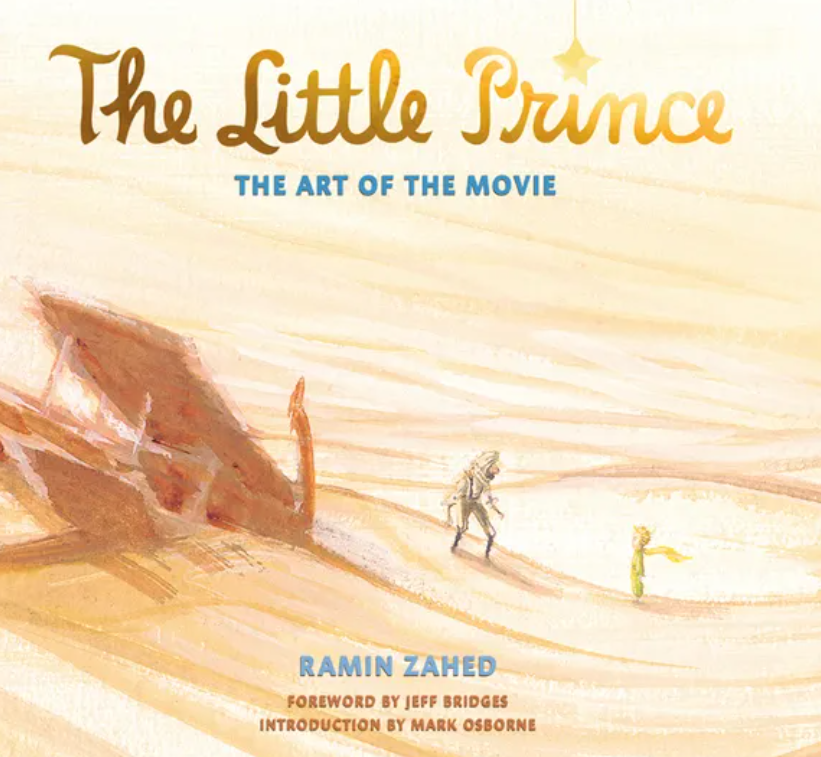
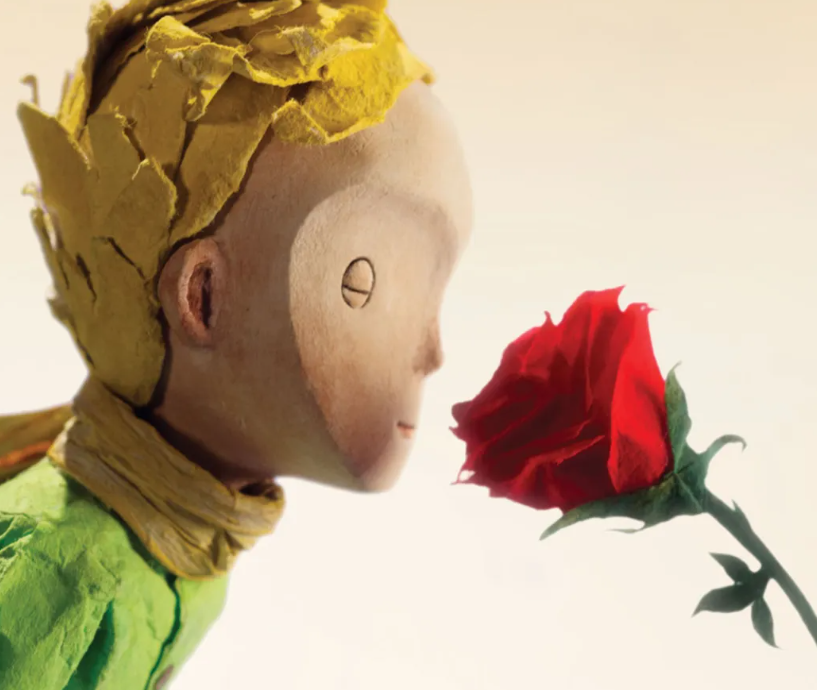
Visuals from The Little Prince: The Art of the Movie used as contextual research.
After deciding to read The Little Prince: The Art of the Movie, I wanted to look at the movie’s visual design process. Having explored the book, I came to understand the development process for sketches, characters, environments, and colour palettes that led to the final result. For me, the most interesting part was exploring the visual development process, not just the final product. It was helpful for my development because it made me more open to experimentation and changes in ideas.
Erica — Interactive Storytelling & Choice


As I decided to analyse Erica, I found it very interesting how this game presents an interactive story. Players should make decisions constantly throughout the process, which helps me feel involved in the narrative rather than just watching it. I was interested in the way Erica uses choice, investigation and atmosphere. This shows how simple interactions may be very important when they are connected with discovery and further progression in the narrative. This helps me think about how to use players’ interactions to reveal new information in my idea.
Two Point Museum — Environment & Collections
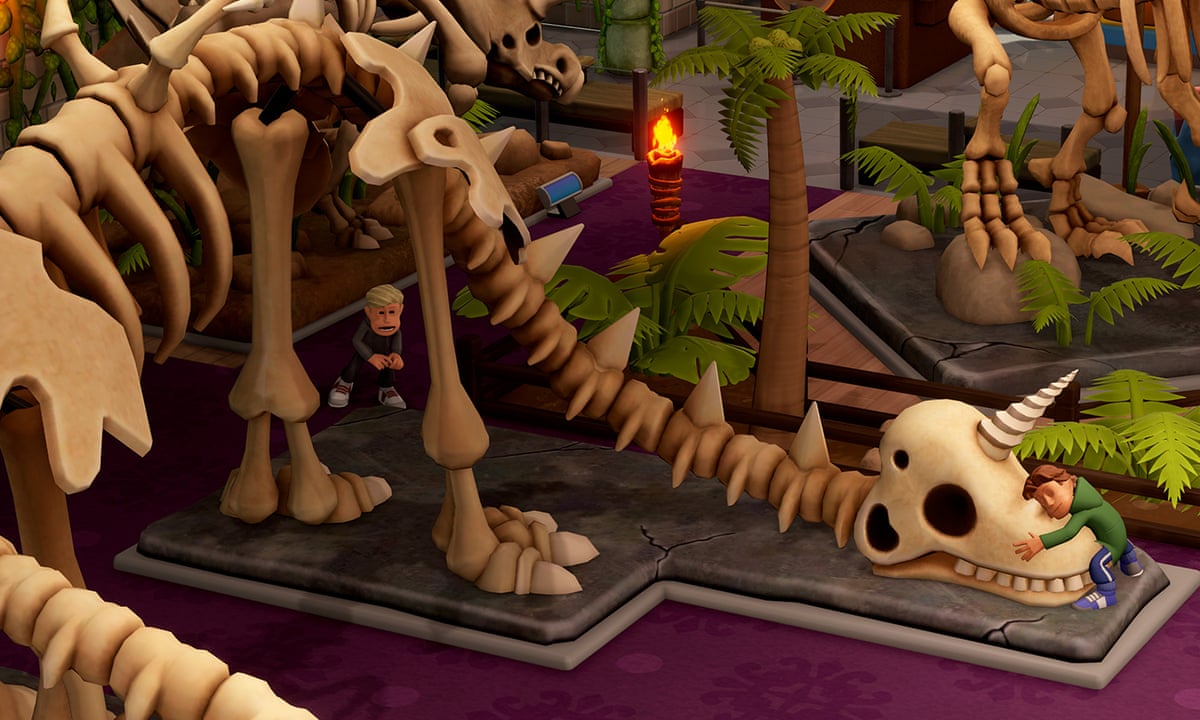
I decided to analyse Two Point Museum because I had played it before, and it shows how museums and collections can be represented in an interactive game environment. Objects and exhibits are not just decorations but part of game progress and museum management. For me, the most interesting was the focus on collecting, exhibiting and interacting with various objects. Having visited museums and galleries during my primary research, I returned to this game with a different perspective on how physical objects and exhibition spaces can be used.
Cuphead — Art Style & Animation

I chose to analyse Cuphead as I found its visual identity fascinating. I was interested in how hand-drawn animation and traditional techniques help to create a unique art style that is completely different from other games. What I found most effective about the visual style is that it is not just about visuals but about the game’s overall identity. Cuphead made me think about the role of traditional artistic techniques, colouring, and animation in the interactive experience, not just as decoration.
Having analysed the above-mentioned references, I found a few ways to use visual design in the interactive experience. The Little Prince showed the importance of visual development documentation; Erica – the use of interaction to uncover the narrative; Two Point Museum – the use of physical objects and exhibition spaces through gameplay; and Cuphead – the influence of the traditional art style on the game. These references gave me ideas about art, interaction, discovery and visual storytelling that I may use in my game ideas.
References:
- Zahed, R. (2015) The Little Prince: The Art of the Movie. London: Titan Books.
- Sony Interactive Entertainment (2019) Erica. PlayStation 4. Available at: PlayStation – Erica (Accessed: 14 August 2026).
- Two Point Studios (2025) Two Point Museum. SEGA Europe Ltd. Available at: Two Point Museum (Accessed: 14 August 2026).
- Studio MDHR (2017) Cuphead: Don’t Deal with the Devil. Available at: Cuphead Official Website (Accessed: 14 August 2026).
This segment contains an audio review^