Worldbuilding:
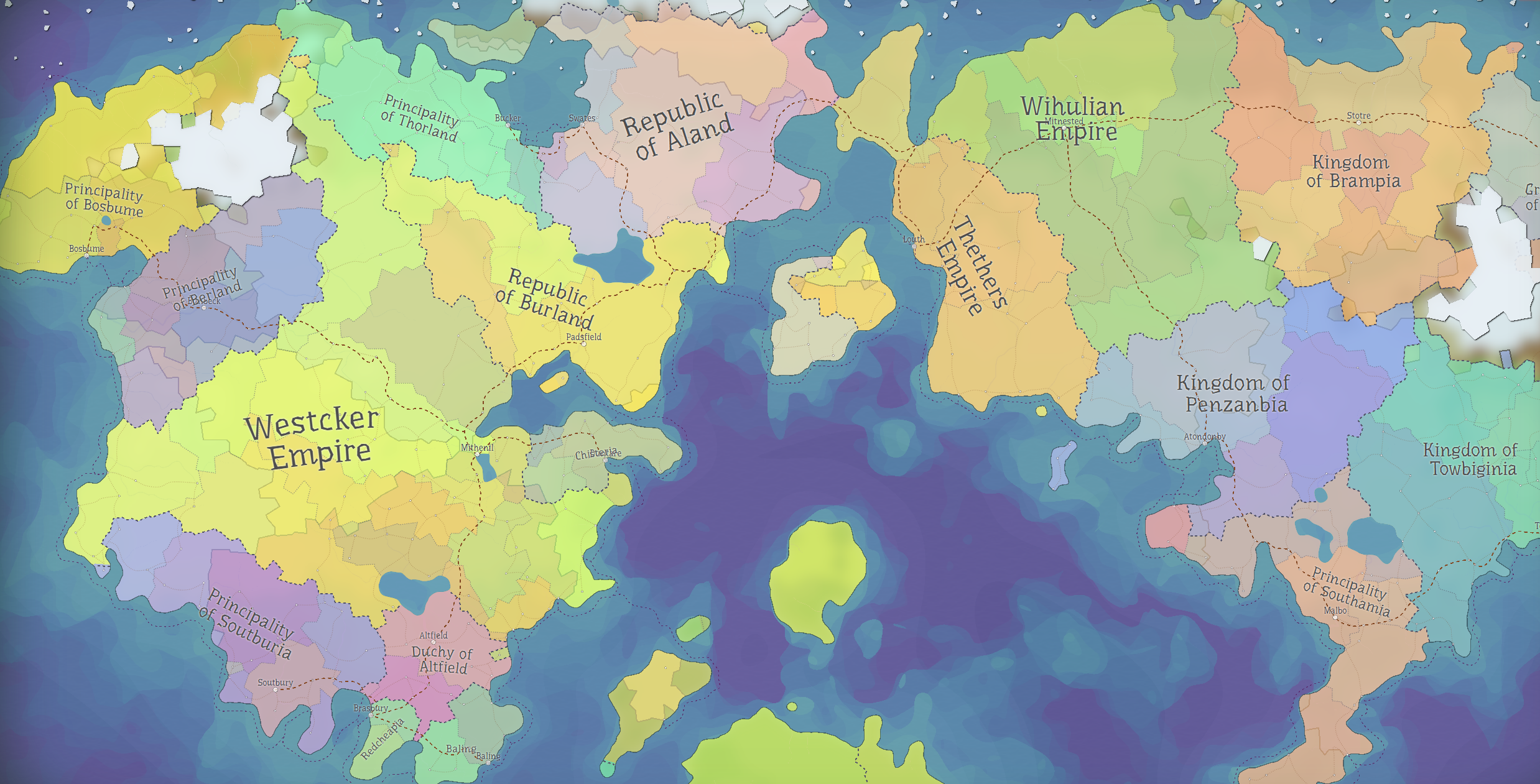
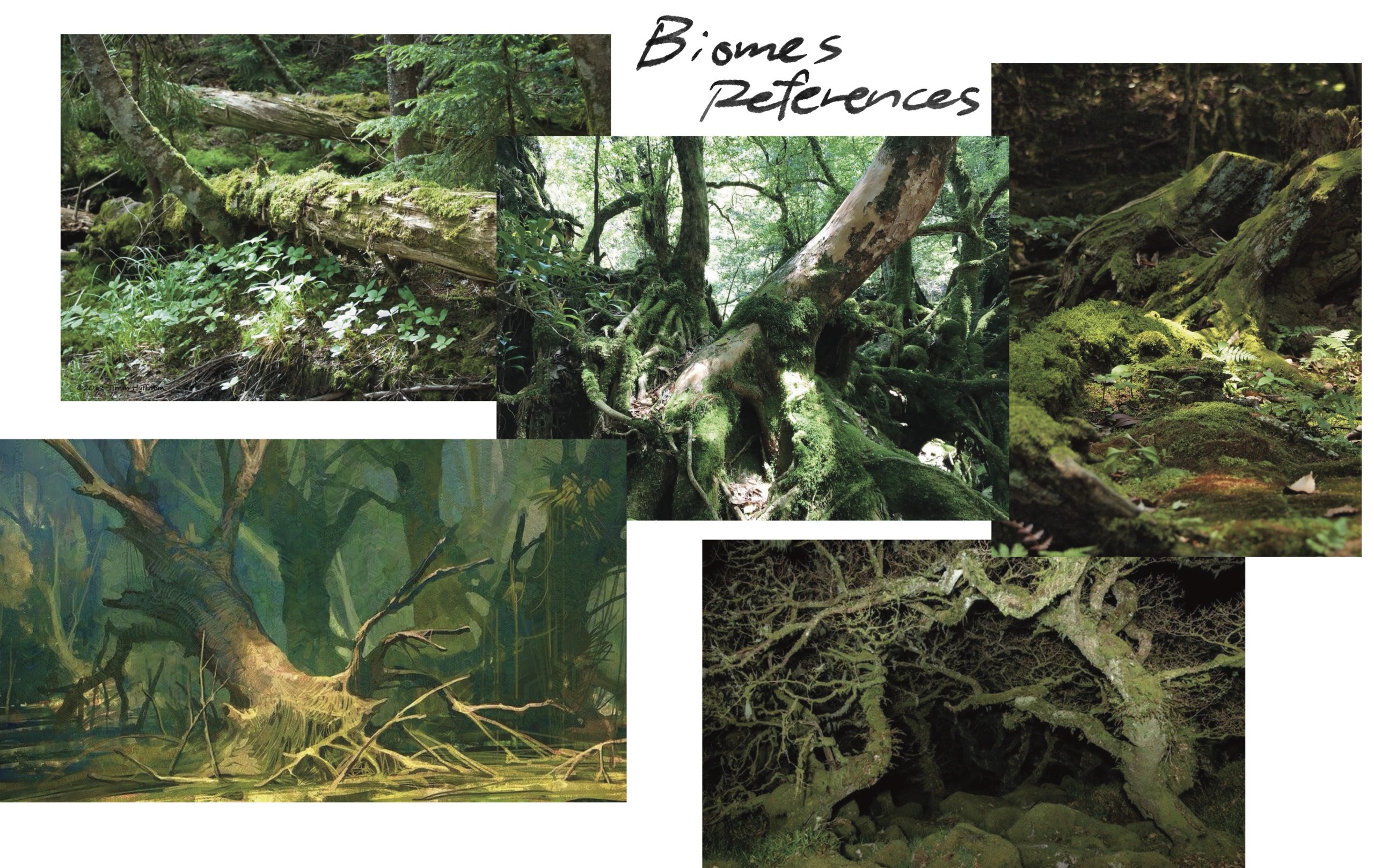
The game is set beneath the base of a massive, ancient tree, in a subterranean world known as Rootmere. This underground realm is formed by tangled roots, compact soil, and quiet hollow spaces untouched by light.
The inhabitants of Rootmere are voles, small burrowing creatures who have lived within the soil for generations. They move collectively, adapt to darkness, and find comfort in routine and proximity.
In contrast, the player character (a solitary cat) does not belong to this underground world. These two creatures do not coexist harmoniously. Within this world’s setting, cats do not prey upon voles, nor do the voles fear the cat. On the contrary, the presence of voles causes the cat to feel exhausted and in need of solitude.
Narrative:
- “Mechanics as Narrative”. The narrative of the game is not delivered through dialogue or explicit storytelling, but rather emerges through the world’s response to the player’s actions.
Part One: “Intolerance”
At the beginning of the game, the cat enters Rootmere as an outsider. The voles, native to the soil and accustomed to constant closeness, gather naturally around the player. There is no aggression in their behaviour; however, simply being near them causes the player’s energy to drain slowly.
Mechanically, this establishes avoidance as the only viable strategy. Narratively, it implies that the connection itself is exhausting, even when no harm is intended. This phase frames loneliness as the inability to exist comfortably among them.
Part Two: “The Boundary”
(After unlocking the ability, Shield)
With the introduction of the barrier ability, the player gains the power to temporarily block the presence of the voles. This creates brief moments of separation. The barrier is limited in duration, requiring careful timing and restraint.
Mechanically, this allows the player to pass through previously inaccessible spaces. Narratively, it signals the first act of self-definition: the right to distance oneself without rejecting others entirely. The limitation of the barrier suggests that constant withdrawal is neither sustainable nor desirable. Through play, the game expresses that boundaries are necessary for survival, but cannot replace connection.
Part Three: “Expression”
(After Restoring the Instrument)
In the final phase, the player acquires and repairs a musical instrument by exploring and challenging themselves. When played near the voles, the music alters their behaviour. Instead of draining energy, they begin to move in rhythm with the melody, forming a gentle chorus around the player.
Mechanically, encounters are transformed rather than avoided. Narratively, this represents self-expression as a bridge between difference and understanding. The voles do not change who they are, nor does the cat fully assimilate into their world. Instead, a shared rhythm emerges. The game suggests that being understood comes from expressing one’s inner state in a way others can relate respond to.
Leave a Reply