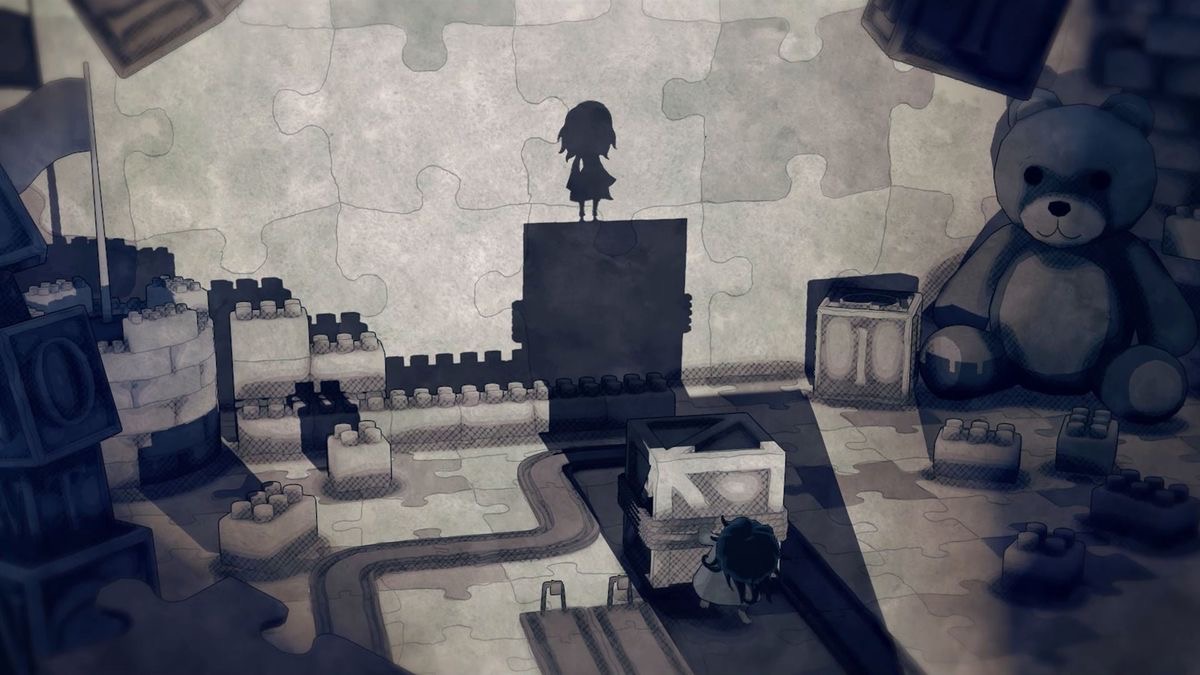
Shady Part of Me is a key emotional and thematic reference for my project. The game explores depression, fear, and self-acceptance through a simple but carefully constructed mechanic: the player controls a girl and her shadow as separate yet connected entities. They move independently, interact differently with the environment, and can only progress when they cooperate.
The shadow is not treated as an enemy or an obstacle. It is fragile, limited by light, and often unable to exist on its own. Many puzzles require the player to slow down, wait, or create safe spaces for the shadow to move. Progress comes from coordination rather than domination. The player learns to pay attention to both sides, adjusting position, timing, and perspective so neither is left behind.
This mechanical relationship directly expresses the game’s theme. The shadow represents the negative, anxious, and depressive parts of the self. Instead of fighting or suppressing it, the game asks the player to acknowledge its presence and learn how to move with it. Light, which usually symbolizes safety, can become a threat. Darkness, often feared, becomes a space of protection.
What resonates strongly with me is how the game frames healing as coexistence. The goal is not to erase the shadow or return to a “normal” state. It is to understand boundaries, accept limitations, and continue forward together. This reflects how people often respond to loneliness or negative emotions in real life, by resisting them, denying them, or trying to escape. Shady Part of Me suggests another path. Learning how to stay with the uncomfortable parts of yourself, and even finding quiet moments within them, can lead to a more stable and honest sense of happiness.
This approach aligns closely with the theme I want to explore in my own game. I am interested in using mechanics to represent internal states, and in designing systems where acceptance and patience create progress. Shady Part of Me shows how emotional growth can be embedded directly into player interaction, making the act of play itself a form of reflection.
Leave a Reply