
Flow Theory
According to flow theory, puzzle games can help players enter a flow state by balancing challenge and skill level by doing:
- Balance challenge and player skill to avoid boredom or frustration.
- Gradually increase puzzle difficulty to maintain engagement.
- Provide clear goals and immediate feedback so players understand their progress.
- Use consistent mechanics and readable environments to reduce confusion.
- Create “eureka moments” that reward player understanding and discovery.
- Encourage continuous learning and mastery to keep players immersed in the experience.
Game Research
Spiritfarer
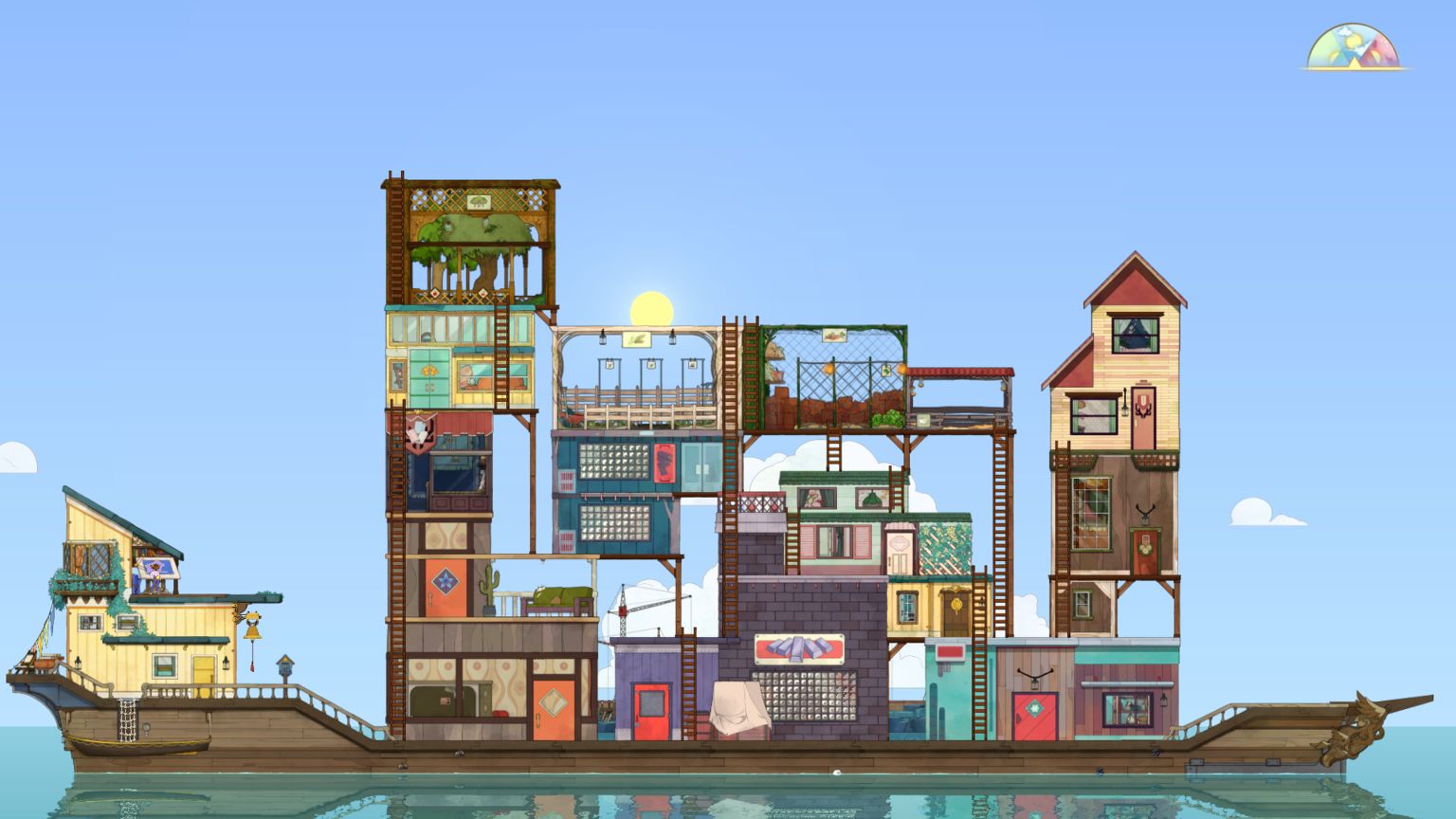
I found the game loop and final goal of this game is very similar to the design of our game. In Spiritfarer, players interact with animal characters, complete emotionally driven tasks and minigames, and gradually unlock new areas, abilities, and story content through these interactions. This loop closely matches our own gameplay structure, where players explore environments, interact with animals, complete puzzle-based activities, and collect “Soul Fragments” to unlock notebook entries and access new areas.
What makes Spiritfarer especially valuable as a reference is its gentle pacing and emotionally rewarding progression system. The game encourages players to build connections through interaction and care. This inspired our approach to designing a calm and immersive gameplay flow, where progression is tied to emotional engagement, exploration, and puzzle completion instead of traditional power growth.
–
The Witness
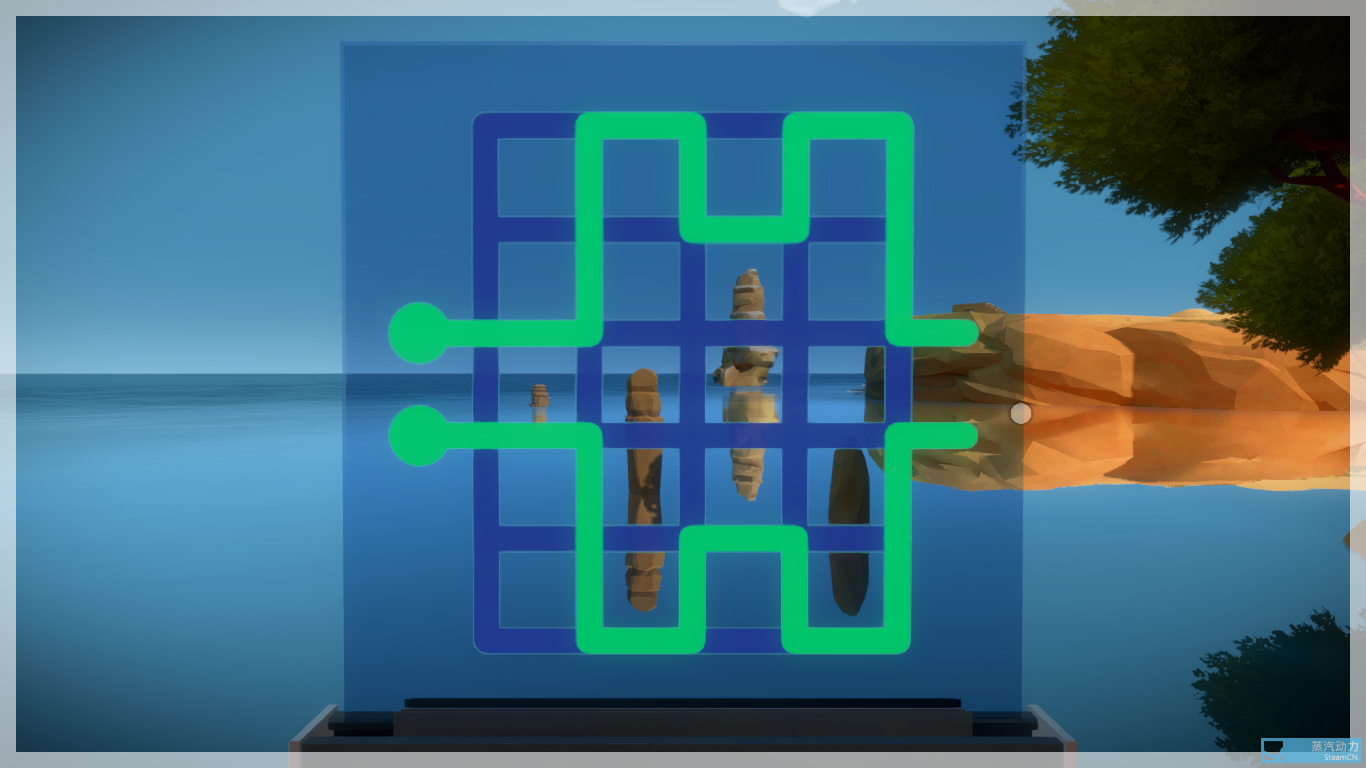
The Witness is one of the most influential puzzle games in modern game design research. What makes the game unique is that the entire experience is built around a single core mechanic: drawing lines within a grid-based path system. Although the mechanic itself is simple, the game continuously introduces new puzzle rules and perspectives, encouraging players to rethink how they observe and interpret information. Each new area teaches players a different way of seeing the same mechanic, creating strong moments of realization and discovery.
What I find especially inspiring is Jonathan Blow’s puzzle design philosophy. He believes that the reward of a puzzle game should not come from external systems such as scores, currency, or item rewards. Instead, the true positive feedback comes from the player’s own understanding. If a puzzle requires additional rewards to feel satisfying, then the puzzle itself has failed.
–
Chicory
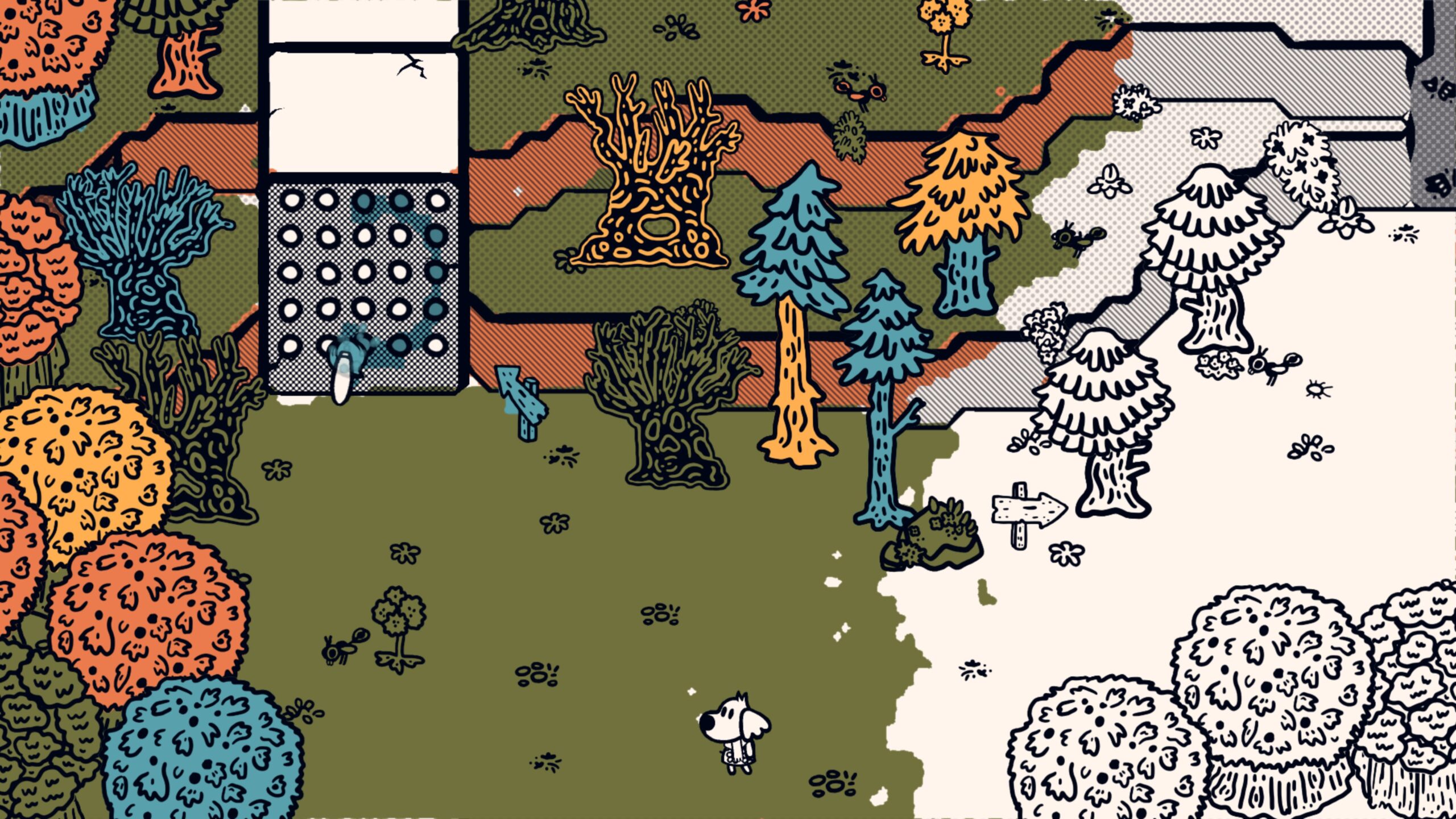
Our game includes a colouring minigame where players interact with a peacock and help restore its original colours. I researched games that use colour as a core gameplay mechanic. One of the most inspiring references for me was Chicory: A Colourful Tale.
What makes Chicory particularly interesting is how it transforms colouring from a purely visual feature into an emotional and interactive gameplay system. Players use a paintbrush to restore colour to a black-and-white world, and this mechanic becomes closely connected to exploration, puzzle-solving, and emotional storytelling. The act of adding colour creates a strong sense of comfort, creativity, and healing, which aligns closely with the atmosphere we hope to create in our own game.
This inspired our approach to designing the peacock minigame, where restoring colour is intended to feel emotionally rewarding and symbolic. The game also demonstrates how visual feedback and environmental transformation can strengthen player engagement and create a memorable emotional experience.
–
Öoo
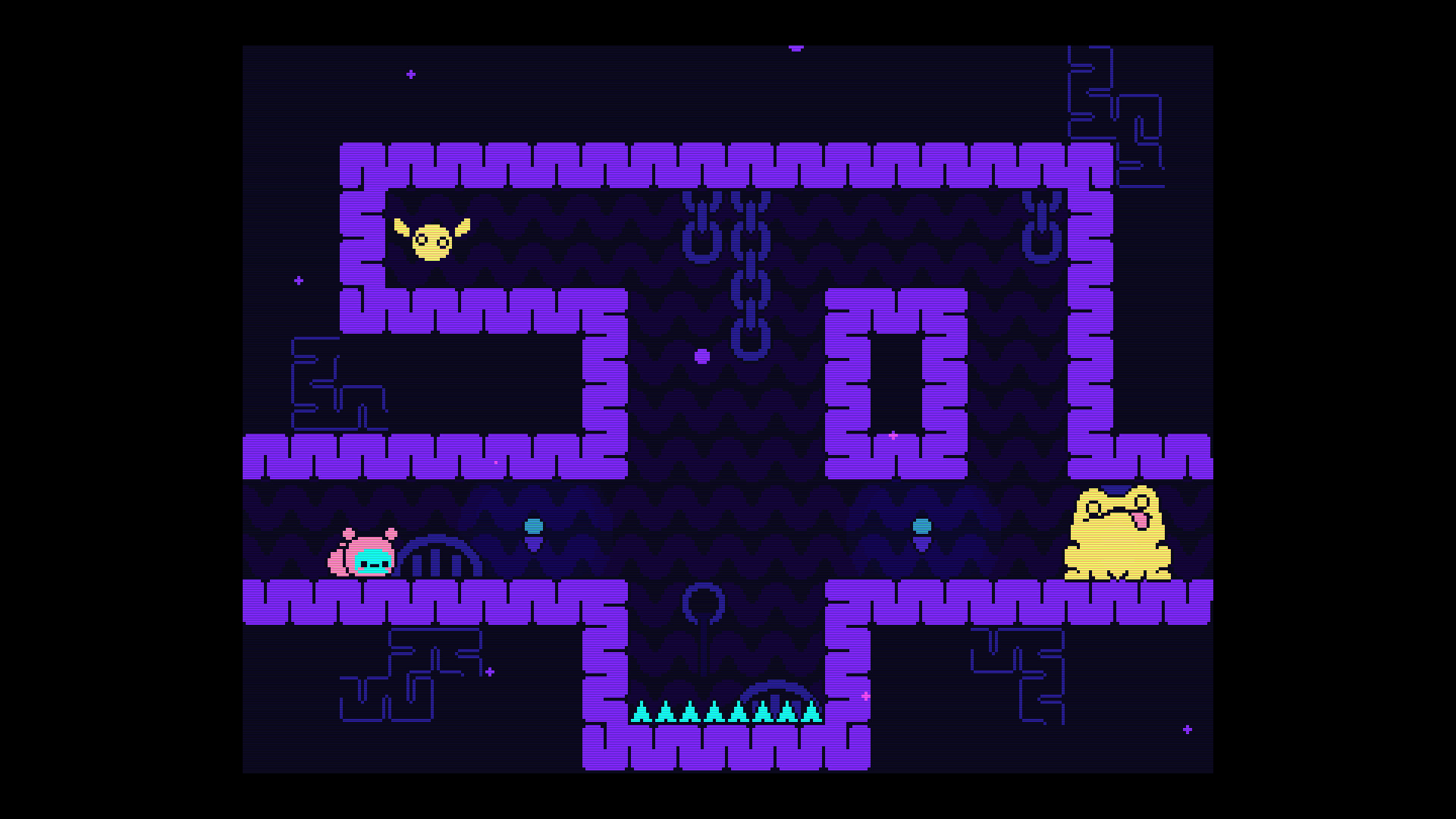
One concept that deeply interested me during my puzzle research in this game is the idea of the “Knowledge Lock.”
Unlike traditional “Ability Locks,” where players are blocked because they lack a certain skill or item, knowledge-based progression prevents players from advancing simply because they have not yet understood the correct perspective, rule, or hidden logic of the game. In this type of design, the player is technically capable of progressing from the very beginning, but their understanding of the system becomes the true gate to progression.
This design philosophy can be seen in games such as Outer Wilds, The Witness, and Tunic, where exploration and discovery are driven by player comprehension. I find this approach especially fascinating because it transforms puzzle-solving into a process of cognitive growth, creating powerful “eureka moments” where players suddenly reinterpret the game world in a completely new way.
Leave a Reply