Monday:
Holistic Design:
Game design is not a single part, but multiple systems working together:
- Mechanics
- Narrative
- Interaction
- UX
Narrative Design ≠ Writing:
Narrative Design is more like UX design.
Narrative design needs to be considered:
- When do players get the information
- How the player understands the story
- Whether or not the player can follow the plot
- How players experience the story in their interactions
Narrative Design is the design of ‘how the player experiences the story’
Narrative styles in different game mediums:
1.Video Game:
Features:
- Highly flexible
- Technical controls can be employed to manage the experience.
- However, player behaviour is unpredictable.
Problem:
- Players are not following the intended sequence of play.
- Players miss out on the storyline
- disrupt the narrative flow
2.Board Games:
Features:
- Very fixed
- Rules cannot be changed lightly.
Problem:
- It is difficult to adapt to different players.
- Little change in experience
3.TTRPG:
Features:
- Most flexible
- A Game Master (GM) can adjust the storyline in real time.
Advantages:
- The narrative can be dynamically altered in real time based on player actions.
- The narrative flows more naturally.
The story is not entirely controlled by the author, but rather co-created by the players.
The Narrative Challenges of Detective Games:
The Sherlock Problem:
- If players too smart —-> Game too easy
- If players can’t find clue —> The game has frozen
Design challenges:
- Can players comprehend the clues
- Is the clue too obvious or too obscure
- How to control the difficulty of the reasoning
Key Recommendations for Narrative Design:
1.Quantity vs Curation
Not a great deal of plot, but carefully selected meaningful plot points.
2.Designers find it difficult to test their own narratives
Do more and more playtest
3.Sometimes paper design is preferable
This allows for faster testing of narrative logic.
4.When lacking inspiration, seek reference material
Recommendation:
- Play different types of games
- Watch other media (films, books)
- Drawing inspiration from real-life stories
Core concept:
- Narrative design is player experience design
- Narrative must be optimised through playtesting
- Different gaming platforms employ distinct narrative approaches
My week 6 working progress:
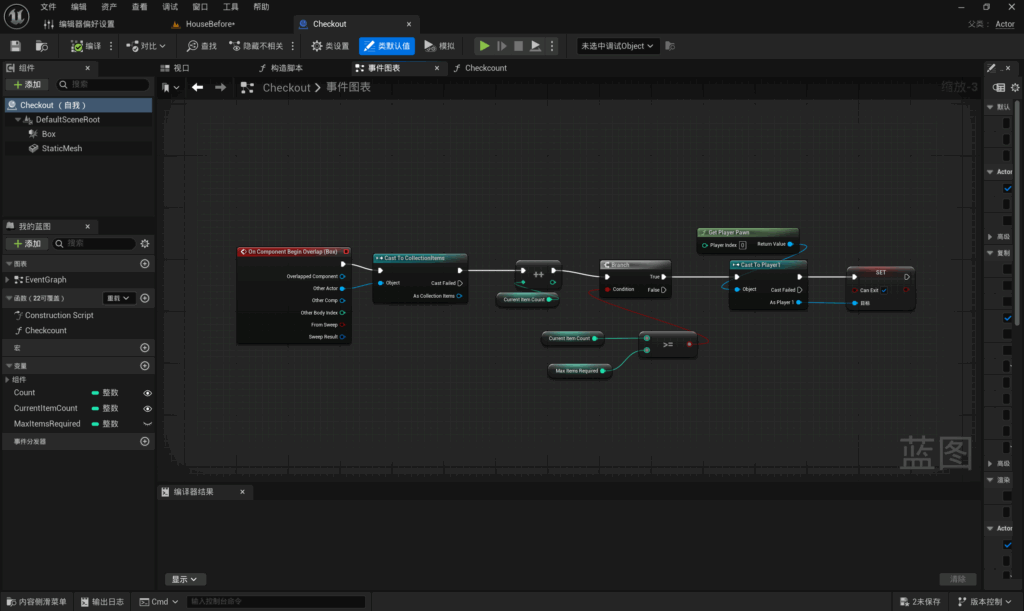
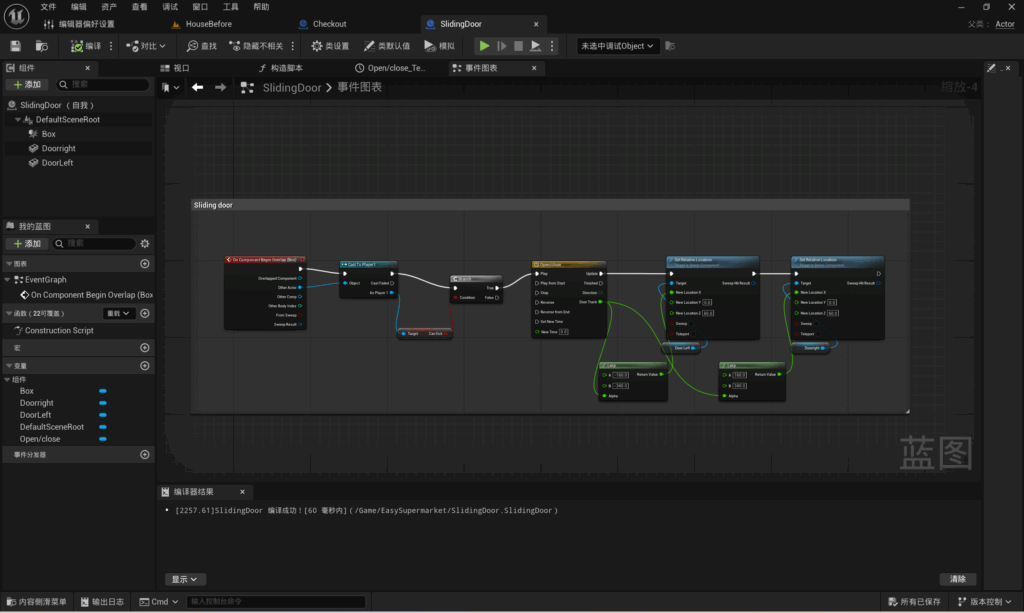
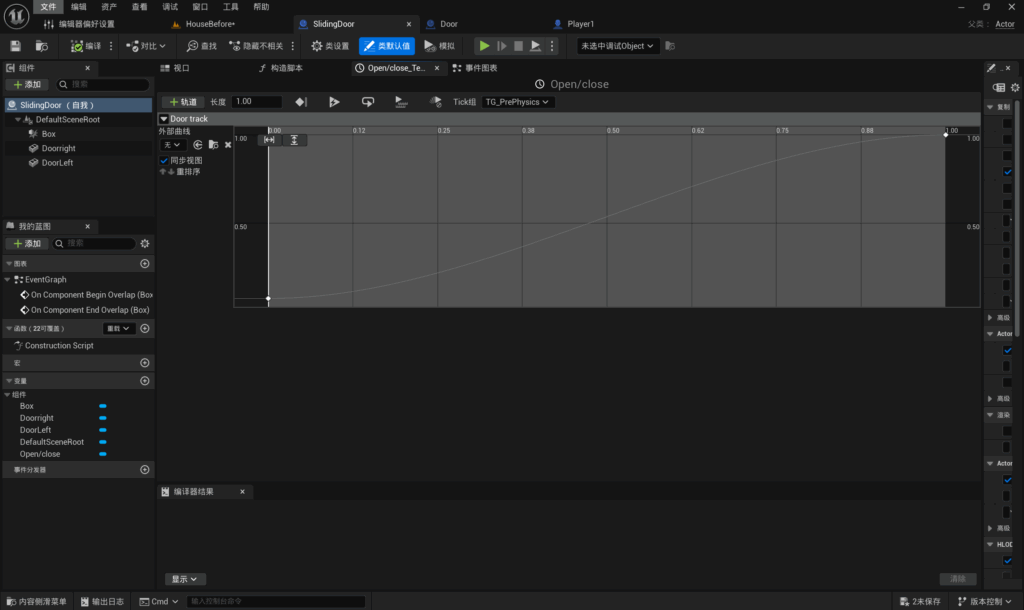
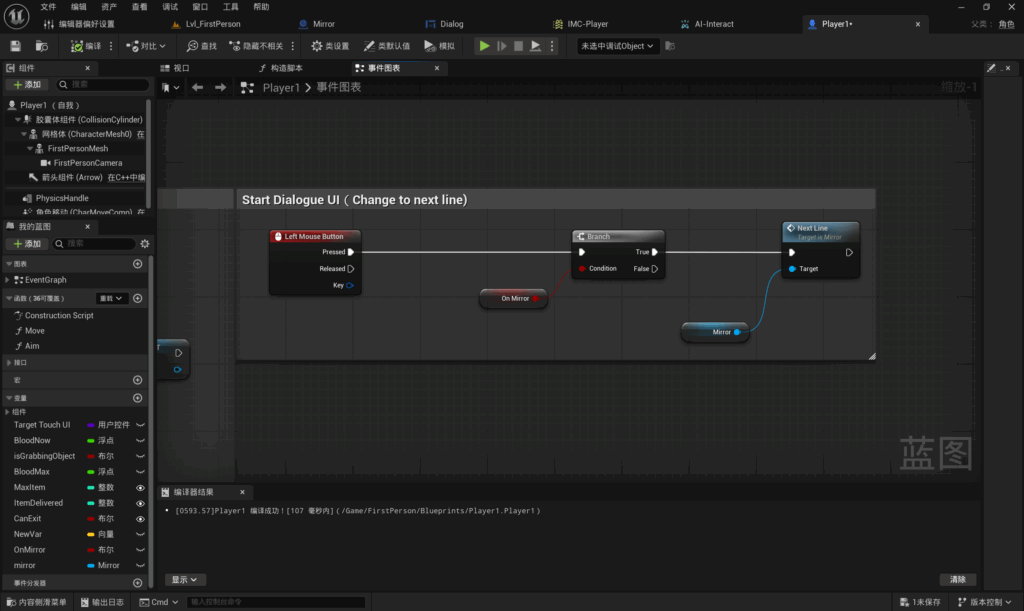
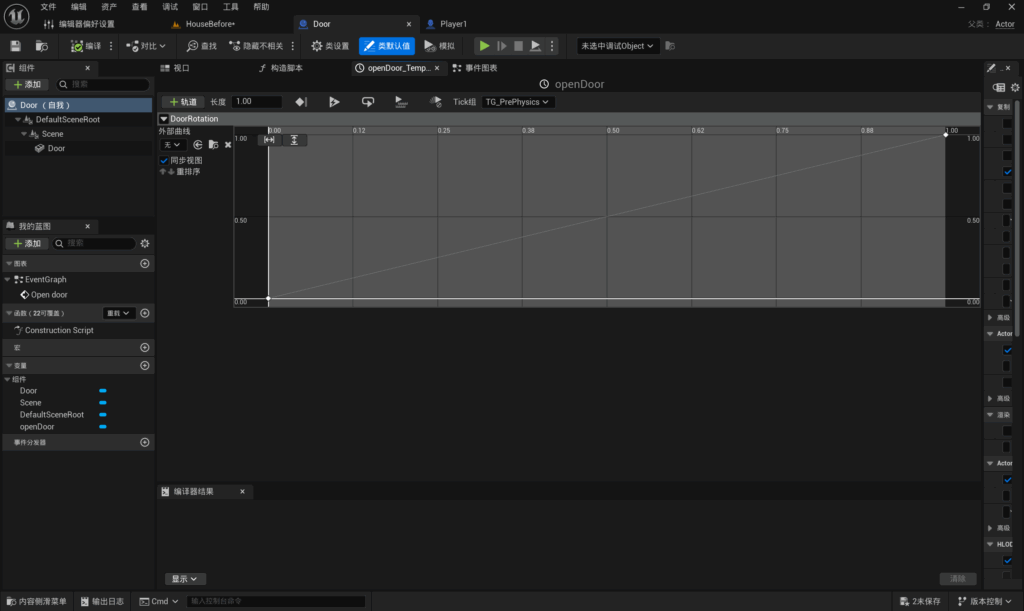
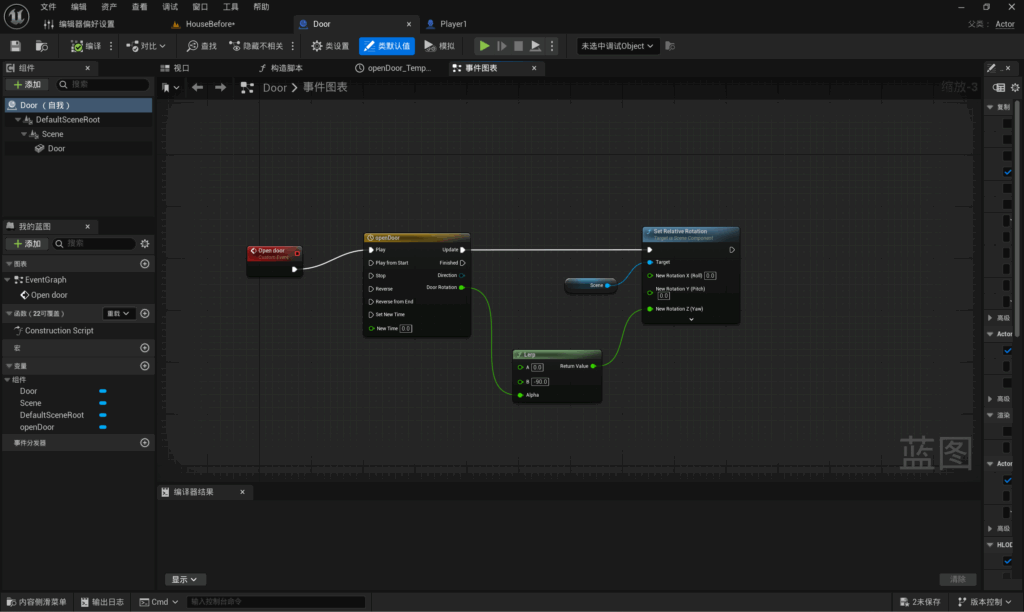
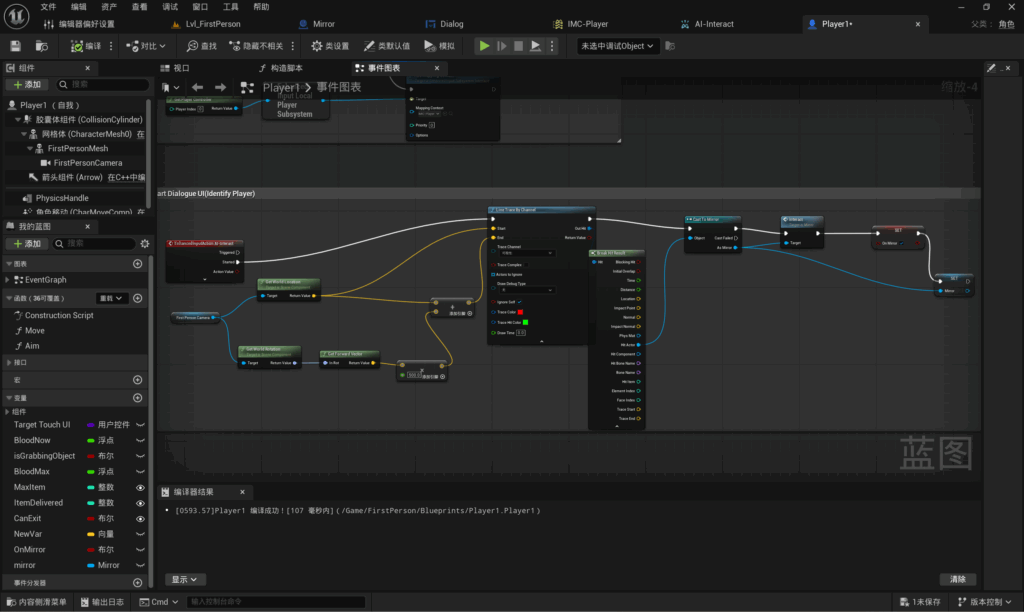
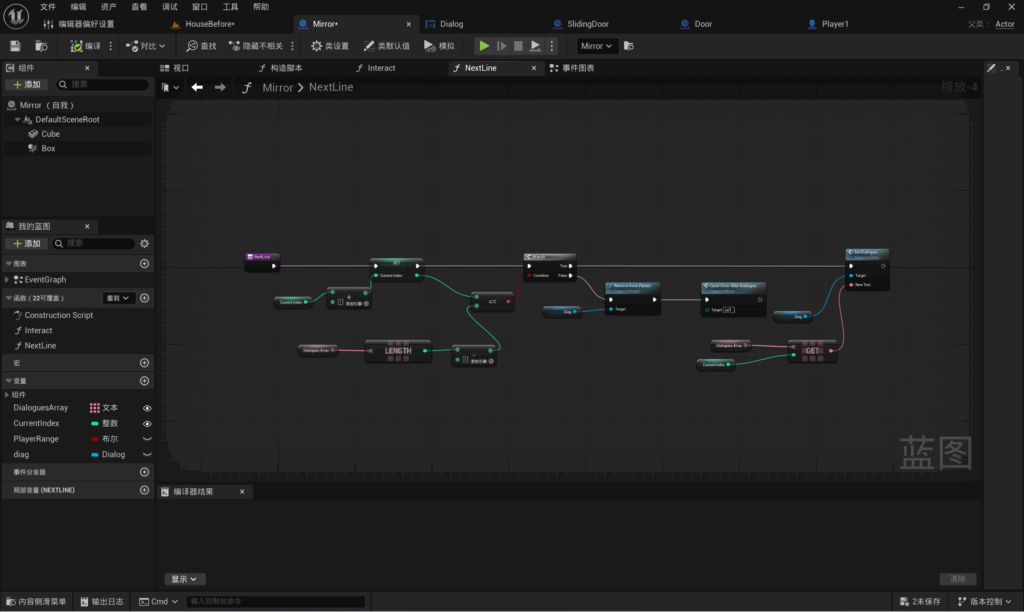
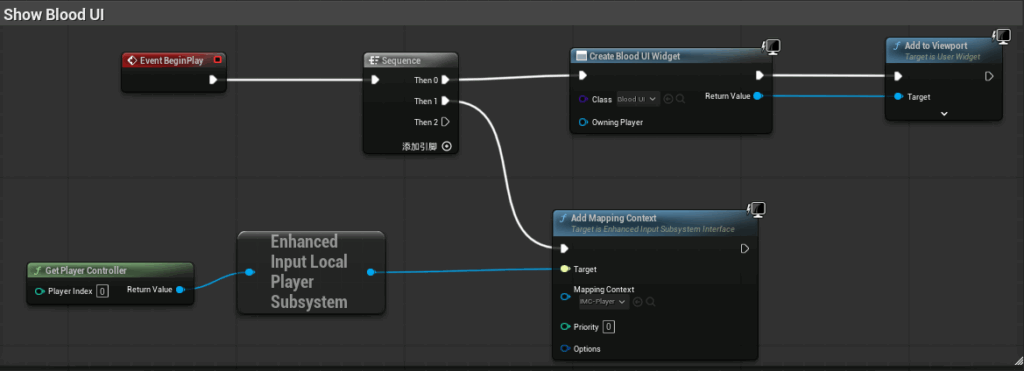
This week I primarily completed two core game mechanics: the door-opening system following checkout and the player dialogue functionality.
Checkout and Door-Opening system:
I have specified the number of items players must collect within the blueprint. Once players have placed all the required items on the checkout counter, the supermarket doors will automatically open when they approach. Should players fail to gather the requisite number of items, the doors will remain permanently closed.
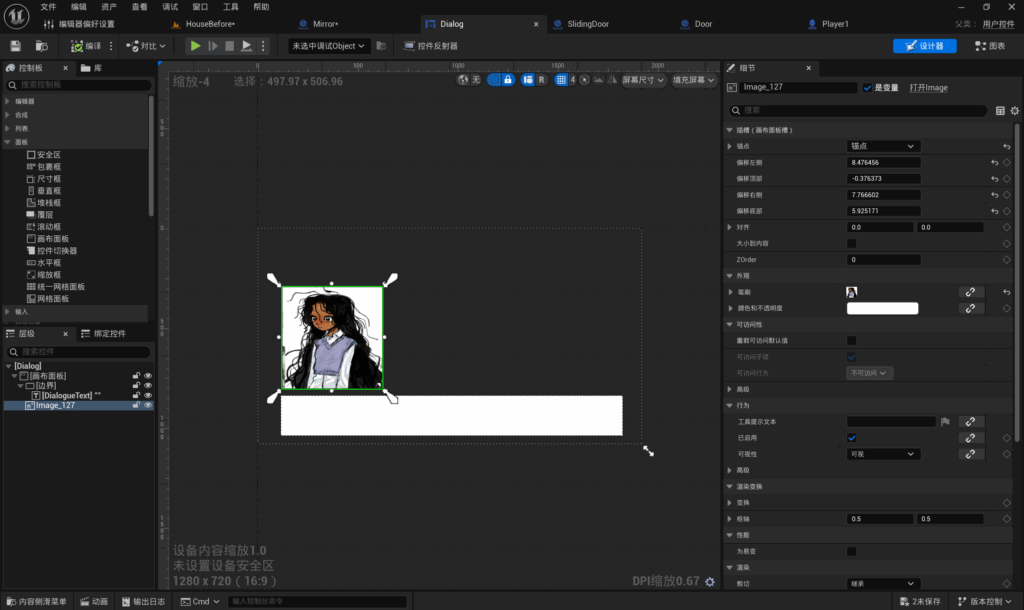
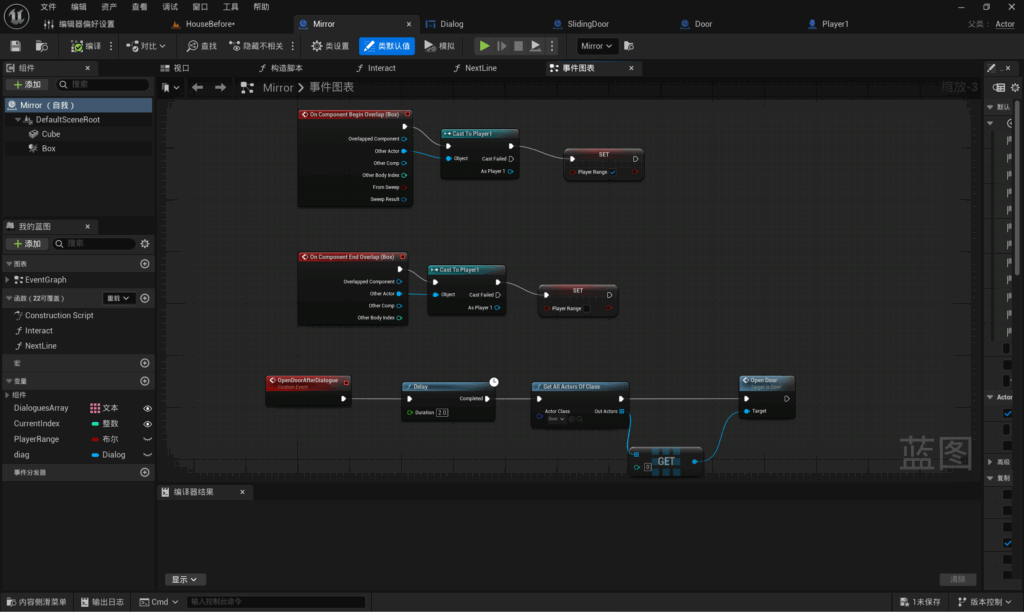
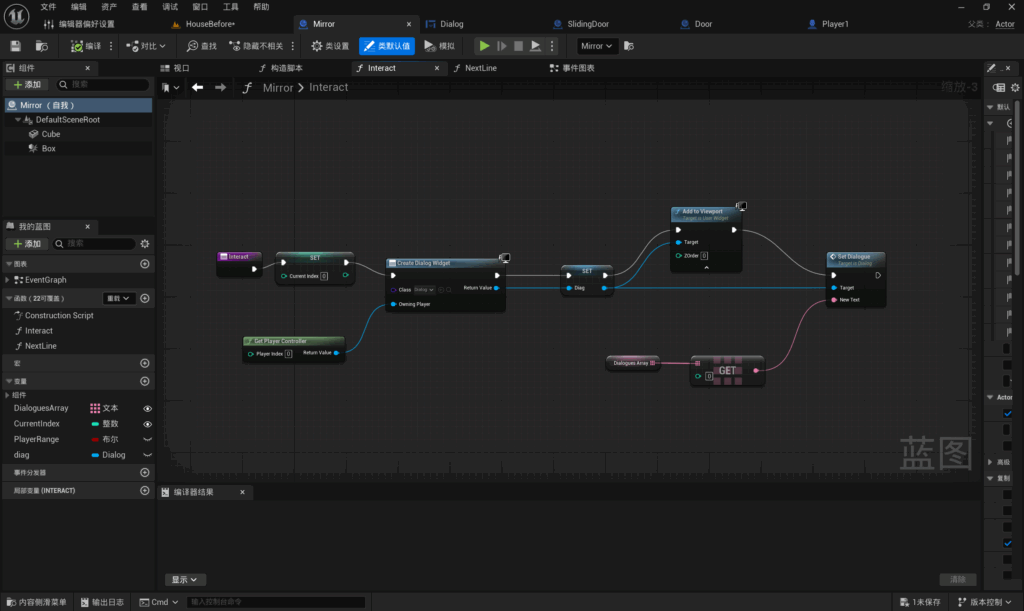
Player Dialogue System:
Upon approaching the mirror on the table, the player presses the E key to initiate the dialogue box. Left-clicking the mouse allows switching to the next line of dialogue. Once all dialogue has concluded, the room’s main door will automatically open after two seconds.
Week 6 Group Communication Report:
I have written this week’s group discussion report, here is the link to our group’s report for this week.
Week 6 Group Working Progress:
I have summarised our team’s progress this week, here is a link to the individual progress reports for each member of our team.
Leave a Reply